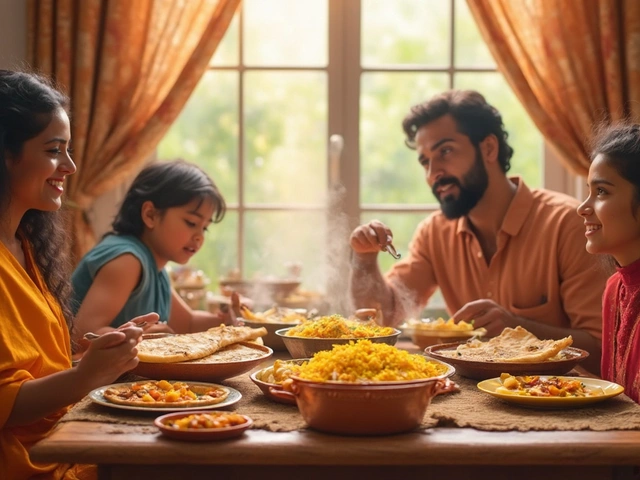
Low Calorie Indian Recipes: Healthy, Flavorful Meals Without the Guilt
When you think of low calorie, a way to eat satisfying food without excess calories. Also known as light eating, it’s not about skipping flavor—it’s about choosing smarter ingredients and cooking methods. Indian food doesn’t have to be heavy. Many traditional dishes are naturally low in calories because they rely on lentils, vegetables, spices, and whole grains—not oil or cream. You don’t need to give up butter chicken or paneer to eat well. You just need to know how to tweak them.
Dal, a simple, protein-packed lentil stew. Also known as lentil curry, it’s one of the most low calorie meals in India—often under 200 calories per serving when cooked with minimal oil. Then there’s paneer, a fresh Indian cheese that’s high in protein but can be made lower in fat by using skim milk. Swap full-fat milk for skim, and you cut the calories without losing texture. Even sweets like jaggery, a natural unrefined sugar used in Indian desserts. Also known as gur, it’s less processed than white sugar and gives depth to treats like ragi laddus that still keep calories in check. These aren’t diet foods—they’re real Indian flavors, just done better.
People think Indian food means deep-fried samosas and creamy curries, but that’s just one side of the story. The real tradition is in the mornings: poha made with flattened rice, upma with semolina and veggies, idli steamed from fermented batter. These are low calorie breakfasts that keep you full for hours without spiking blood sugar. Street snacks like bhel puri and sprouted moong chaat are packed with fiber and protein, not grease. Even chicken curry can be light—skip the cream, use tomato base, and let the spices do the work. You don’t need to eat bland food to eat healthy.
What you’ll find below are real recipes from home kitchens—not restaurant versions. You’ll see how to make snacks that actually help with weight loss, how to pick the healthiest dal, how to use coconut milk without adding fat, and why 7-day-old paneer is a bad idea (spoiler: it’s not about taste, it’s about safety). These aren’t trends. They’re habits. And they’ve been passed down for generations. All you need to do is follow the steps. No magic. No deprivation. Just food that works with your body, not against it.
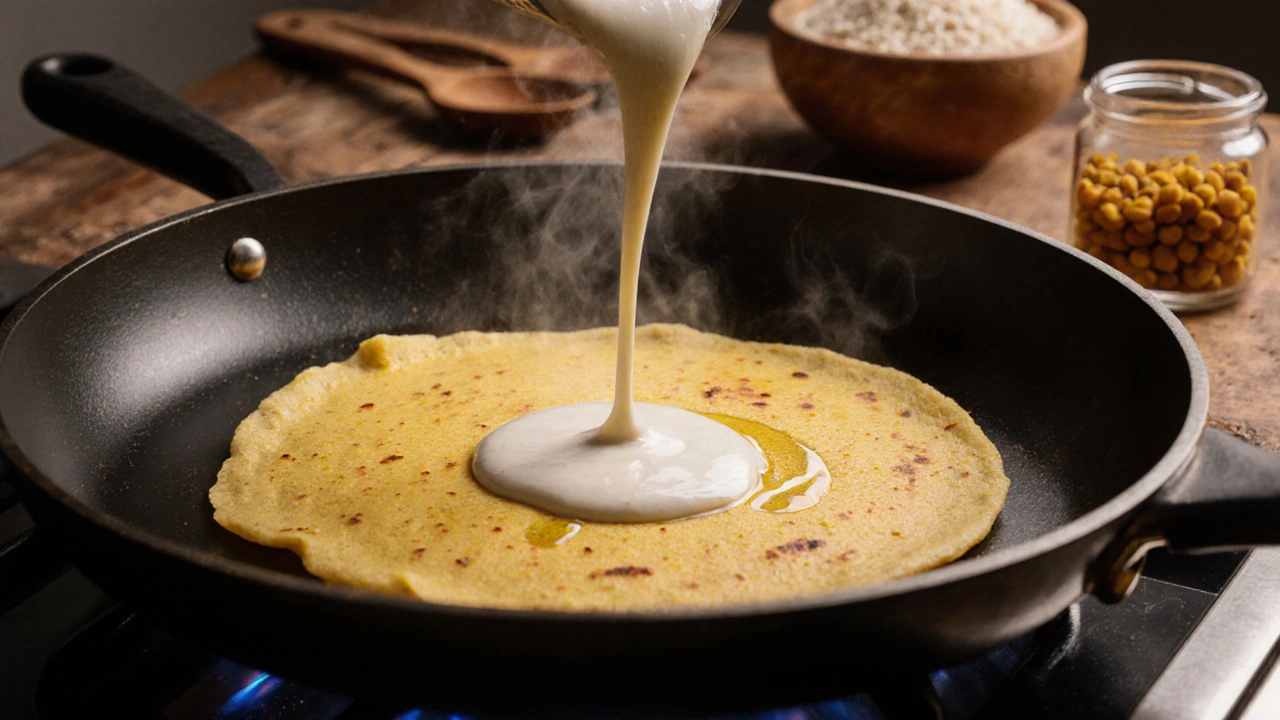
Is Dosa Healthy? Benefits, Nutrition Facts & Smart Eating Tips
Discover if dosa is a healthy snack by exploring its nutrition, probiotic benefits, glycemic impact, and smart cooking tips for a balanced diet.
Read More