Junk Food India: What’s Really in Your Favorite Street Snacks
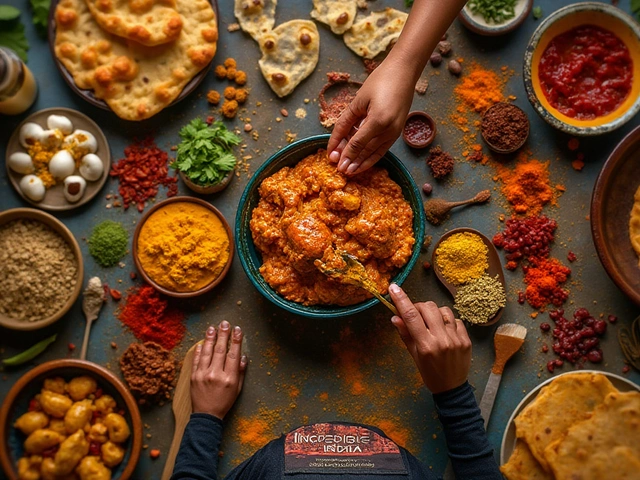
When people talk about junk food India, refers to cheap, fried, and highly processed snacks sold on streets and roadside stalls across the country. Also known as fast food in India, it’s not just about burgers or pizza—it’s the crispy vada pav, the greasy pani puri, the deep-fried samosas, and the sugar-coated golgappa that millions grab between meetings, after school, or late at night. These aren’t occasional treats. For many, they’re daily meals—cheap, fast, and hard to resist.
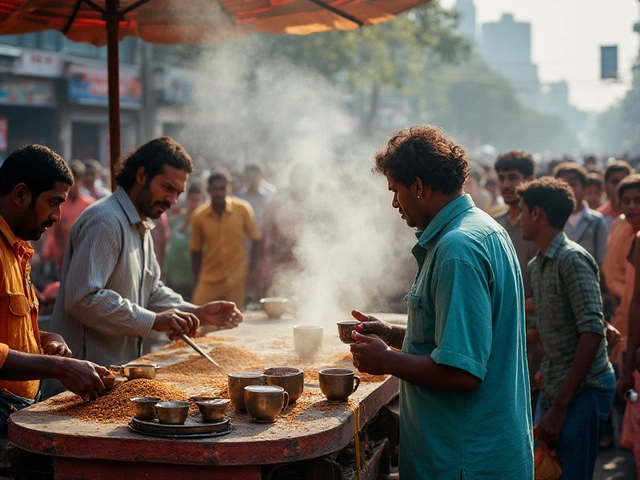
What makes these snacks so common isn’t just taste—it’s accessibility. A samosa costs less than a bottle of water in most cities. Street vendors open before sunrise and stay open past midnight. You don’t need a menu, a table, or even a plate. You just point, pay, and eat. But behind the crunch and spice is a hidden cost: high trans fats, refined flour, reused oil, and way too much salt. The Indian street food, a cultural staple that includes everything from chaat to fried breads. Also known as fast food in India, it’s deeply tied to daily life and local identity. isn’t all bad. Many traditional snacks like poha or upma are healthy. But when you see vendors frying the same oil for days, or using packaged masalas with hidden MSG, that’s when it crosses into junk territory.
The real problem isn’t the snack itself—it’s the lack of awareness. Most people don’t know how many times the oil was reused, or that the chowmein they love might contain artificial colors. Even parents buy these for kids thinking they’re harmless. But studies from Indian public health centers show a direct link between daily street snack consumption and rising rates of obesity and diabetes in teens. The good news? You don’t have to quit them. You just need to know what to look for: fresh oil, clean surfaces, and vendors who make food in front of you. The best unhealthy Indian snacks, items like fried pakoras, bhajjis, and bread-based fried treats that are high in calories and low in nutrients. Also known as fried snacks India, they’re common at fairs, bus stops, and college gates. are the ones you can make at home—crispy, spicy, and way less oily.
Below, you’ll find real stories and practical guides from people who’ve tried to cut back, swap out ingredients, or just eat smarter without giving up flavor. Some posts show you how to spot unsafe stalls. Others give you recipes for healthier versions of your favorite fried treats. No guilt trips. No preaching. Just facts, fixes, and food you actually want to eat.
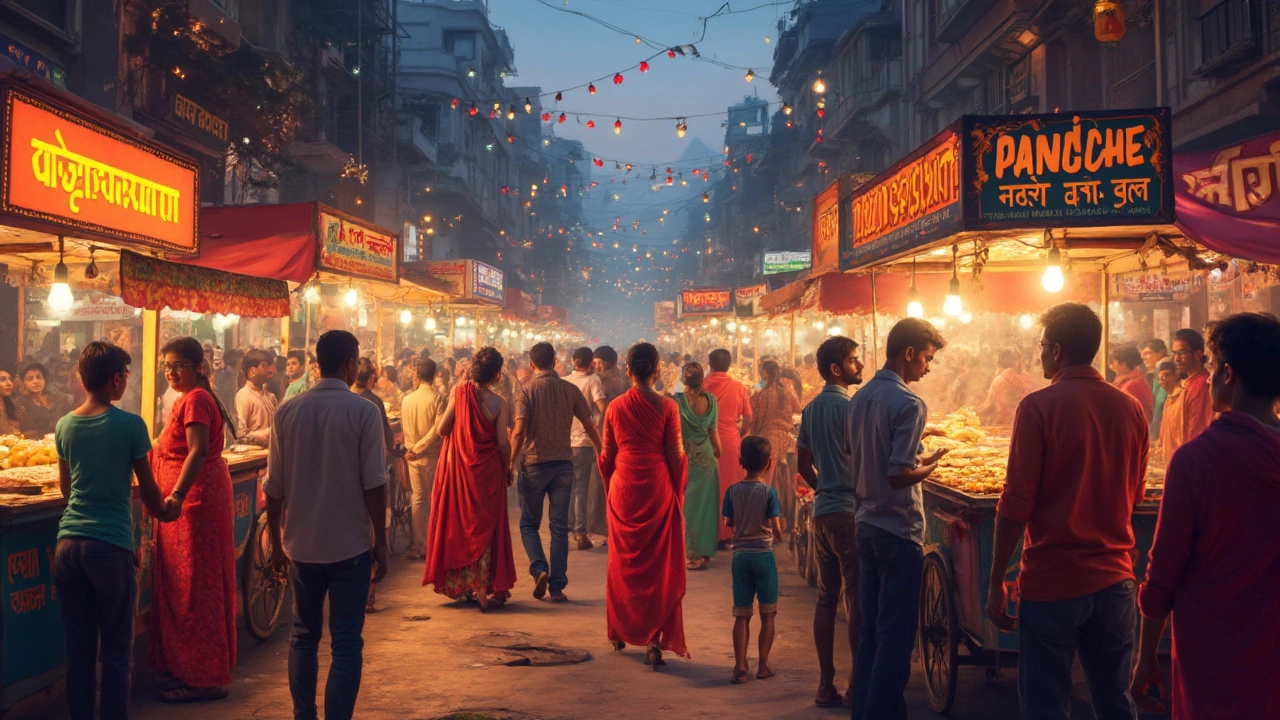
Junk Food in India: How Popular Is It Actually?
Junk food sells like crazy on Indian streets, from spicy pani puri to cheesy burgers. The love for street snacks cuts across cities, small towns, and even villages. What makes these foods so popular? This article looks at why junk food is everywhere in India, what people love to eat, where trends are heading, and a few tips for enjoying street food smartly. If you're planning to munch your way through India or just curious about the hype, here's what you need to know.
Read More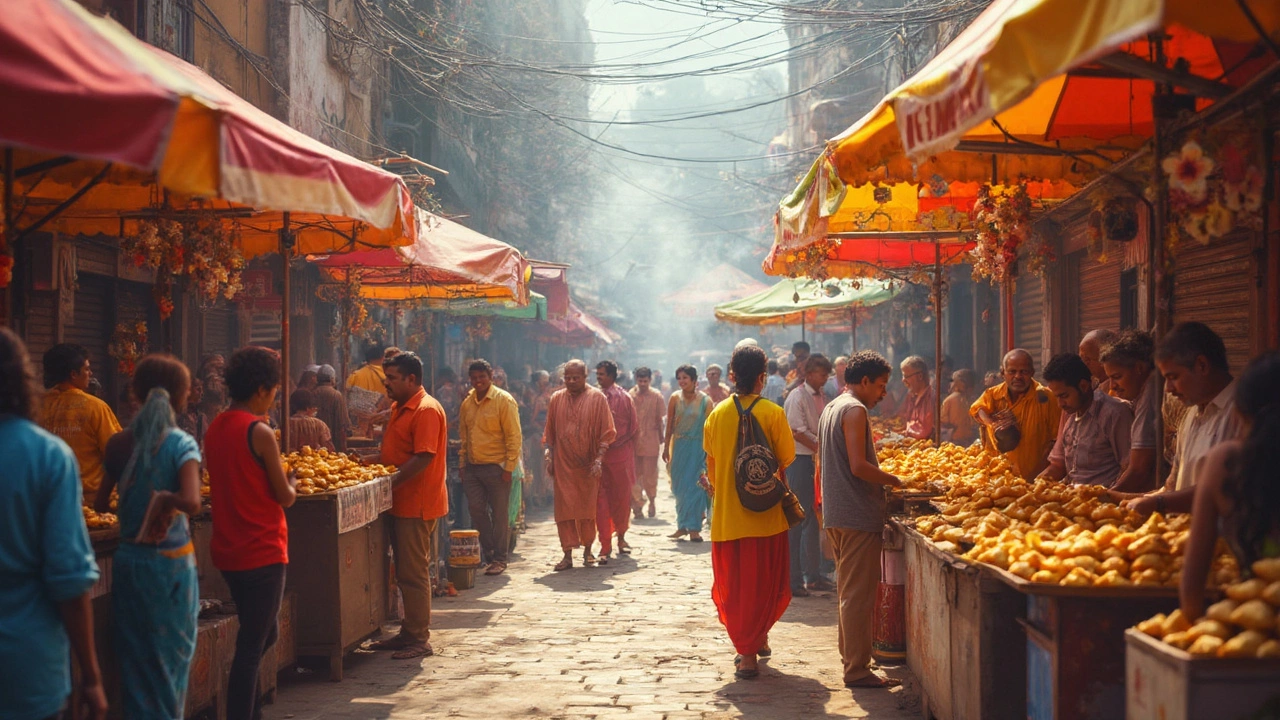
Discover the Most Popular Junk Food in India
Explore the world of junk food in India, where crispy samosas, spicy pani puris, and savory pav bhaji rule the streets. Get an insider's look into why these snacks are must-tries and how you can whip them up at home. With practical tips and interesting facts, this article uncovers the blend of flavors that make Indian street food a favorite among locals and tourists alike.
Read More