Jaggery Indian Sweets: Traditional Desserts Made with Natural Sweetener
When you think of jaggery Indian sweets, a category of traditional Indian desserts made using unrefined cane sugar. Also known as gur, it's the heartbeat of countless sweets from North to South India, giving them a deep, earthy richness that white sugar just can’t match. Unlike refined sugar, jaggery keeps trace minerals like iron, magnesium, and potassium, making it more than just a sweetener—it’s a cultural ingredient passed down through generations.
Many of India’s most loved sweets rely on jaggery for their signature taste and texture. Peda, the oldest known Indian sweet, dating back over 500 years. Also known as Mathura peda, it’s often made with just milk, ghee, and jaggery—no artificial flavors, no preservatives. Then there’s laddoo, ball-shaped sweets found in every festival and home kitchen. Also known as gur ke laddoo, they’re packed with roasted gram flour or coconut, bound together by melted jaggery, and shaped by hand. Even in the south, where jaggery is called vellam, it’s the secret behind payasam and adhirasam—dense, sticky, and comforting. These aren’t just desserts; they’re tied to rituals, seasons, and family traditions.
Jaggery doesn’t just sweeten—it transforms. It adds a molasses-like depth that balances spices in savory dishes too, but in sweets, it shines brightest. You’ll find it in regional specialties like chikki from Maharashtra, where peanuts or sesame are stuck together with hot jaggery syrup, or in gur ki roti from Uttar Pradesh, a simple flatbread sweetened for breakfast. The way it caramelizes slowly, without burning, makes it ideal for slow-cooked sweets that develop flavor over hours. And unlike white sugar, jaggery doesn’t spike blood sugar as sharply, which is why many families still choose it for kids and elders.
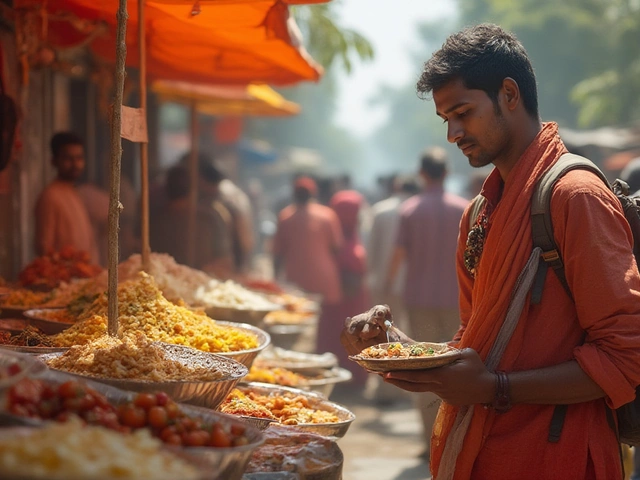
What makes jaggery Indian sweets different isn’t just the ingredient—it’s the intention. These desserts aren’t made for quick cravings. They’re made with patience, often by hand, using methods unchanged for centuries. You won’t find them in mass-produced packs. They’re sold in village markets, wrapped in banana leaves, or offered during Diwali, Pongal, and weddings as symbols of warmth and prosperity.
In the posts below, you’ll find real recipes, stories, and tips from home cooks who still use jaggery the old way. Learn how to pick the best grade, why some sweets turn grainy, and how to swap sugar for jaggery without ruining texture. Whether you’re making your first laddoo or rediscovering childhood flavors, this collection gives you everything you need to make authentic jaggery sweets that taste like home.
Healthiest Indian Sweets: Low‑Sugar Desserts You Can Enjoy
Discover the healthiest Indian sweets, from ragi laddus to date halwa, with nutrition facts, easy recipes, and smart swaps for low‑sugar, high‑protein desserts.
Read More