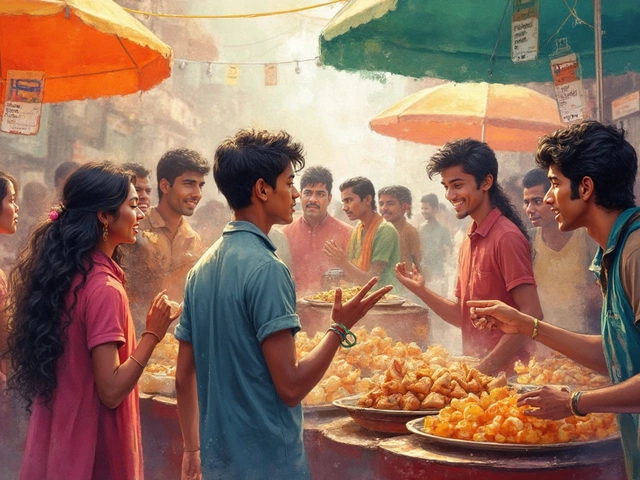
Indian Snacking Habits: Traditional Bites, Health Secrets, and Daily Rituals
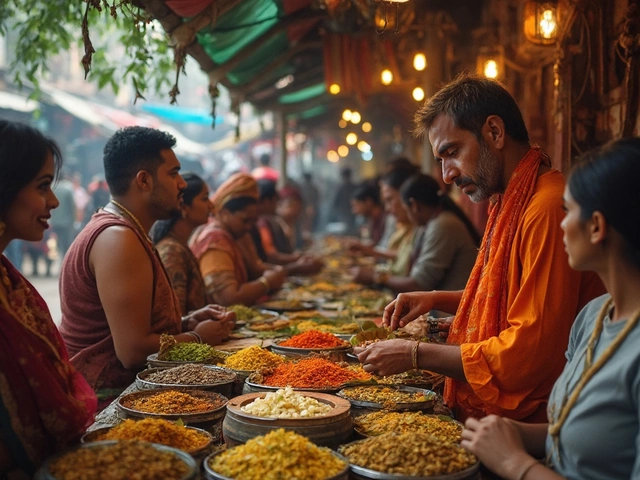
When you think of Indian snacking habits, the daily rhythm of bite-sized eats that bridge meals, fuel busy lives, and carry deep cultural roots. Also known as munching culture, it’s not about mindless nibbling—it’s a structured, flavorful part of everyday life. From morning poha in Mumbai to evening bhel puri in Delhi, snacks aren’t afterthoughts. They’re rituals. And they’re often healthier than you think.
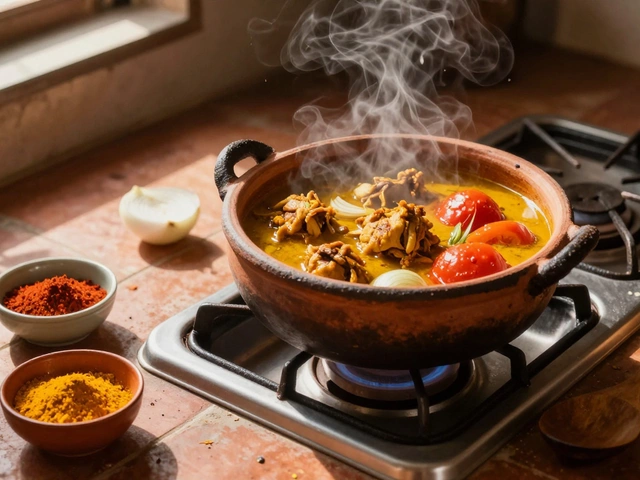
Take healthy Indian snacks, low-calorie, high-fiber bites made from lentils, millets, and fermented batter. Also known as traditional munchies, they’re the reason many Indians stay energized without sugar crashes. Dosa, idli, and roasted chana aren’t just snacks—they’re nutrition-packed tools built over centuries. Even weight loss snacks India, clever swaps like baked sev, jaggery-laced laddus, or paneer tikka. Also known as slimming munches, they prove you don’t need to give up flavor to eat well. Meanwhile, Indian sweets, from ancient peda to modern gulab jamun. Also known as mithai, they’re often made with jaggery, khoya, or coconut milk—not just white sugar. That’s why many still enjoy them daily without guilt.
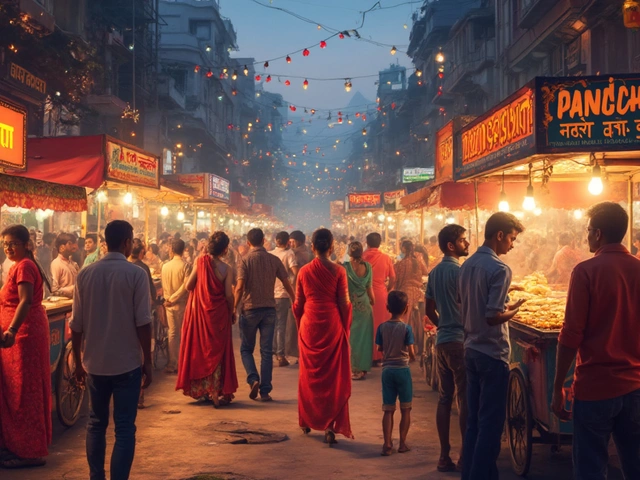
But it’s not all about health. It’s about timing. Snacks in India are tied to routines: a mid-morning cup of tea with samosas, a post-work dinner of bhature with chole, or a late-night plate of pav bhaji. Even storage matters—knowing how long paneer, a fresh cheese that spoils fast if not stored right. Also known as Indian cottage cheese, lasts in the fridge keeps families safe. Most people toss it after five days, even if it looks fine. That’s the kind of detail that shows how deeply these habits are understood. And it’s why you’ll find posts here on everything from the science of soaking basmati rice for biryani to why asafoetida (hing) turns a simple snack into something unforgettable.
There’s no single Indian snack. There are hundreds—each shaped by region, season, religion, and family. In Maharashtra, it’s misal pav. In Bengal, it’s phuchka. In Gujarat, it’s undhiyu. And in every home, there’s a version of dal or chutney that’s been passed down. This collection doesn’t just list snacks. It shows you why Indians snack the way they do—what works, what doesn’t, and what you can steal for your own kitchen. You’ll learn how to make snacks that fill you up without weighing you down, how to spot safe street eats, and how even sweets can fit into a healthy routine. No fluff. Just real food, real habits, and real results.
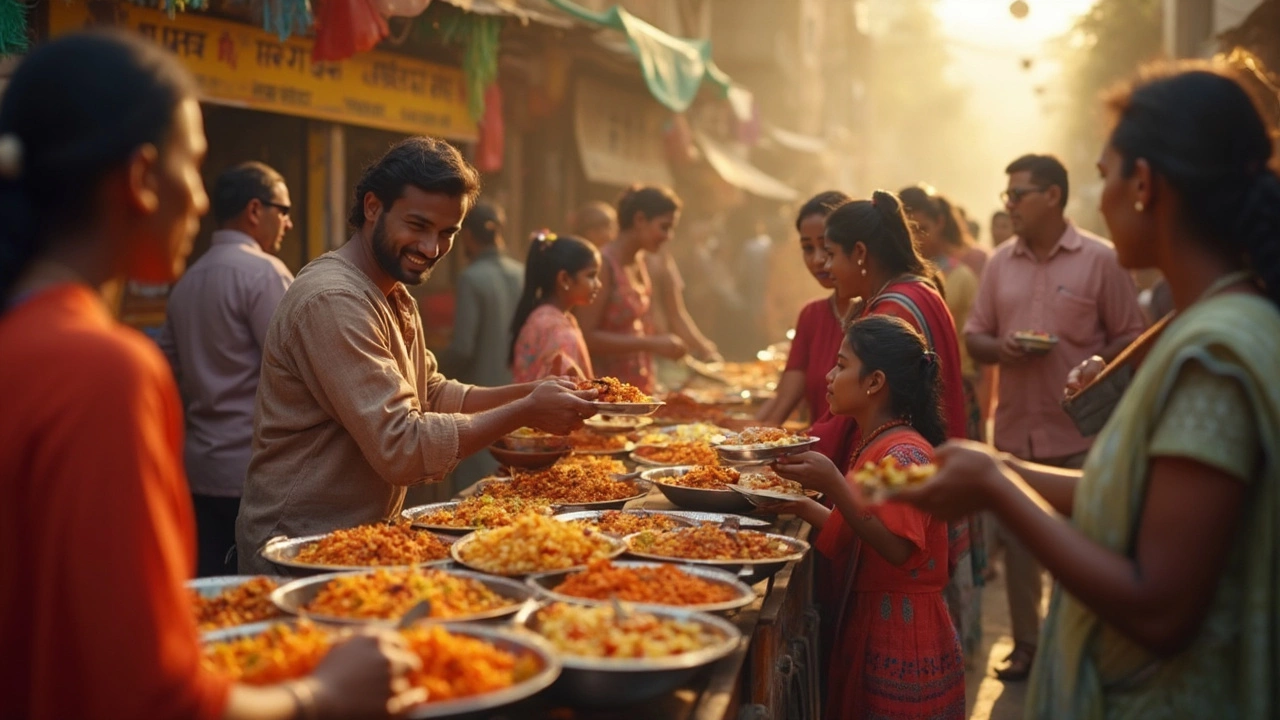
Most Eaten Snack in India: Healthy Choices that Rule the Snack Game
Craving something between meals? India loves snacks, but which one tops the charts for both popularity and health? This article uncovers the most eaten snack in India and highlights what makes it such a staple. It also looks at healthy snacking habits and practical ways to make your favorite bites even better for you. Expect some fun facts and simple tips you can actually use.
Read More