Indian Diet: What It Really Is and Why It Works
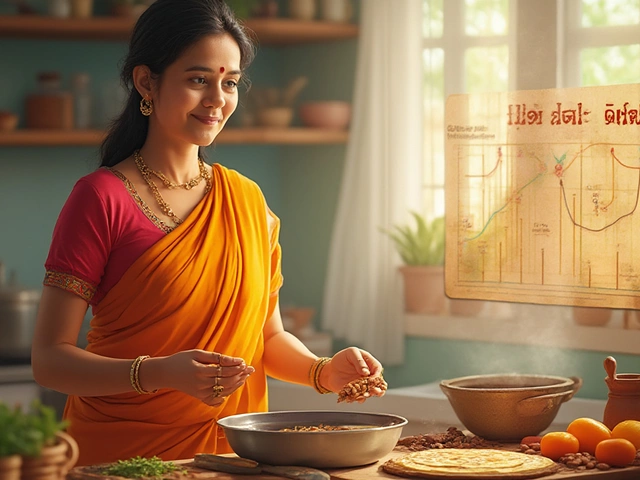
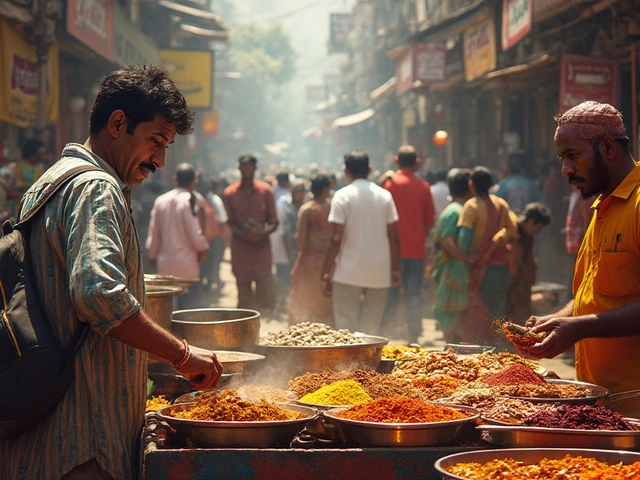
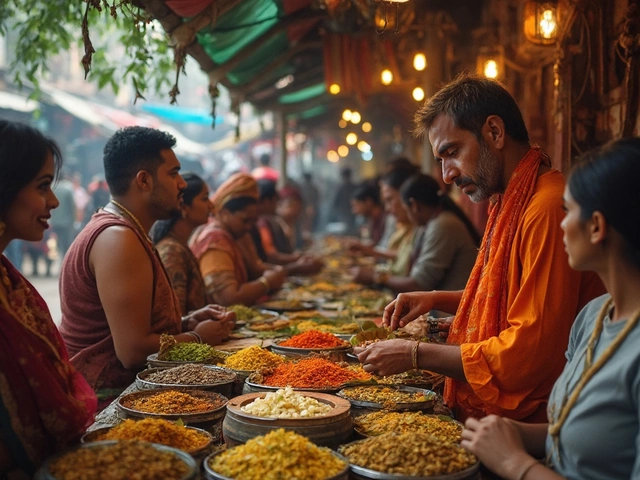
The Indian diet, a diverse, region-driven pattern of eating rooted in centuries of tradition, agriculture, and spiritual beliefs. Also known as traditional Indian eating habits, it’s not a fad—it’s a daily rhythm shaped by climate, caste, religion, and local harvests. Unlike Western diets that fixate on calories or macros, the Indian diet focuses on balance: grains, lentils, vegetables, dairy, and spices work together to fuel the body without heavy processing.
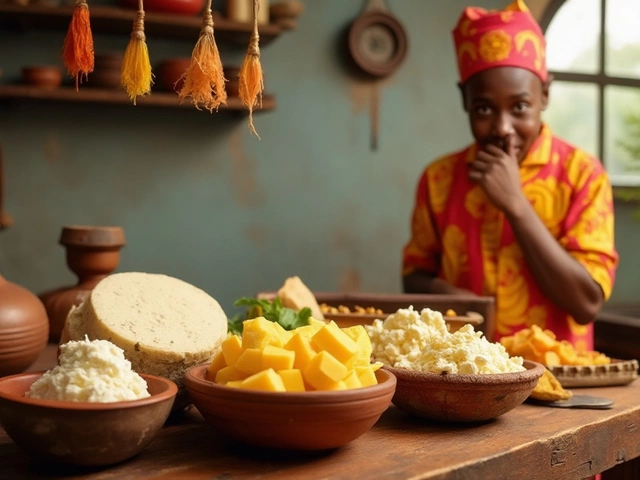
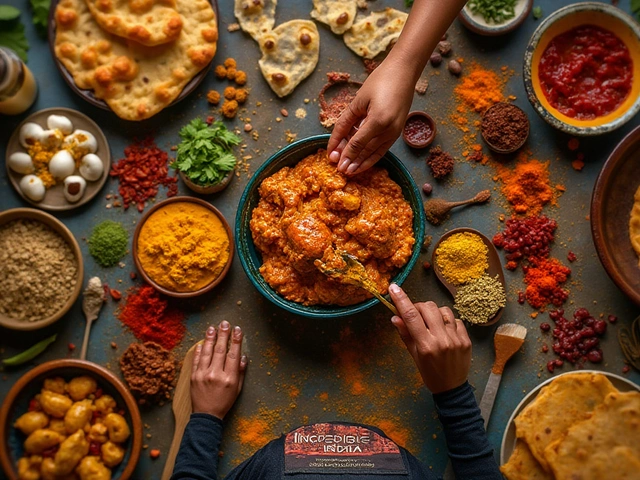
At its core, the Indian diet, a pattern of eating centered around plant-based staples, fermented foods, and minimal meat. Also known as South Asian diet, it’s built around dal, split lentils cooked into a protein-rich stew that’s eaten daily by over a billion people. Also known as lentil curry, it’s the backbone of meals from Punjab to Tamil Nadu. You’ll find paneer, a fresh, non-melting cheese made by curdling milk with lemon or vinegar. Also known as Indian cottage cheese, it’s a key protein source for vegetarians who avoid meat but still need nourishment. Then there’s idli, a steamed rice-and-lentil batter snack that’s naturally fermented, easy to digest, and packed with probiotics. Also known as South Indian breakfast cake, it’s one of the healthiest morning meals on earth. These aren’t exotic gimmicks—they’re everyday foods that keep people energized, full, and healthy without supplements or diet plans.
The Indian diet doesn’t avoid fat or carbs—it chooses smarter forms. Coconut milk thickens curries without cream. Jaggery sweetens desserts instead of white sugar. Rice is soaked, fermented, or paired with lentils to lower its glycemic load. Even sweets like peda, a centuries-old milk-based sweet from Mathura made with just milk solids and sugar. Also known as traditional Indian milk fudge, it’s eaten during festivals, not daily. The real secret? Portion control, variety, and eating with the seasons. You won’t find a single Indian household eating the same thing every day. Breakfast in Delhi is different from breakfast in Kerala. Lunch in Gujarat isn’t the same as lunch in Bengal. That’s the strength of the Indian diet—it adapts, it doesn’t restrict.
And yes, eggs and meat are part of the picture for many—though Hindu, Jain, and Buddhist traditions often steer people toward plant-based meals. That doesn’t make it a religion-driven diet—it makes it a practical one. When you live in a hot climate with limited refrigeration, eating fresh, local, and non-perishable foods isn’t a choice—it’s survival. And that’s why the Indian diet works: it’s not designed to impress nutritionists. It’s designed to feed families, day after day, for generations.
Below, you’ll find real answers to real questions: Which dal is healthiest? Can you eat week-old paneer? Is dosa actually good for you? What do Indians eat for breakfast? These aren’t theory pieces—they’re kitchen-tested truths from people who live this diet every day.
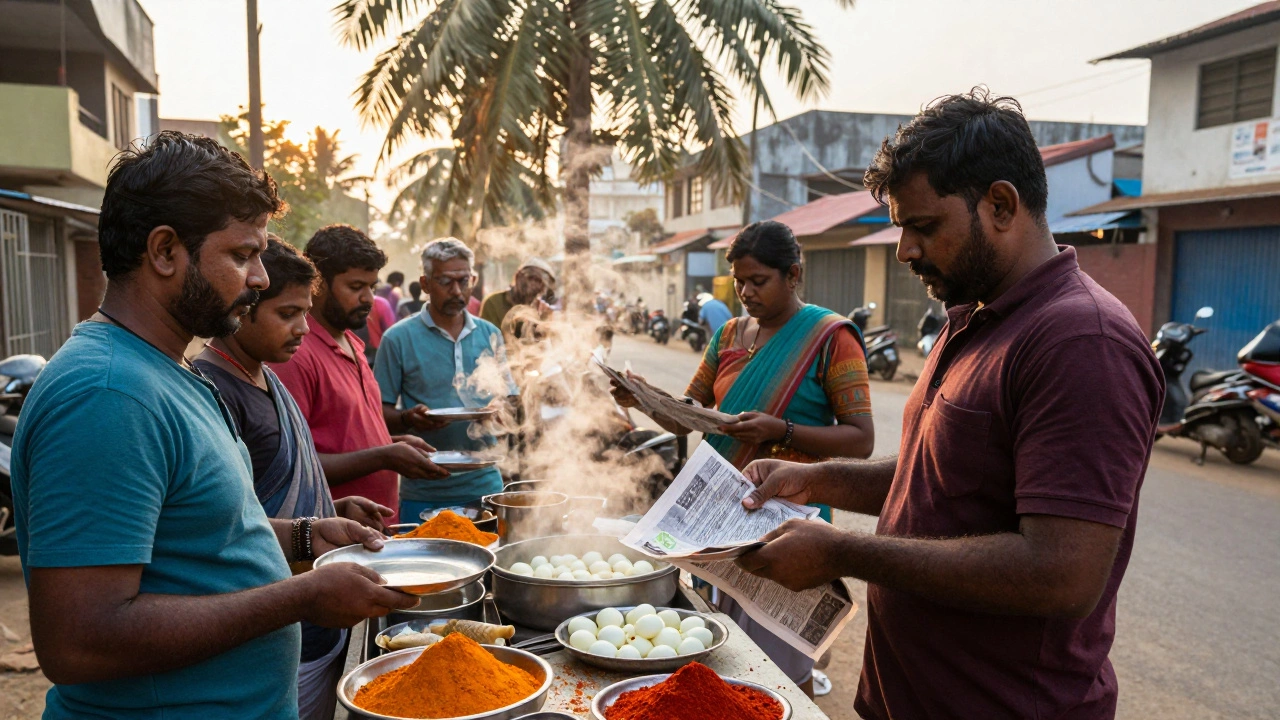
Do They Eat Eggs in India? A Real Look at Eggs in Indian Homes and Kitchens
Eggs are widely eaten across India despite common assumptions about vegetarianism. From egg bhurji to curry, they’re a cheap, protein-rich staple in homes nationwide-especially in the south and among working-class families.
Read More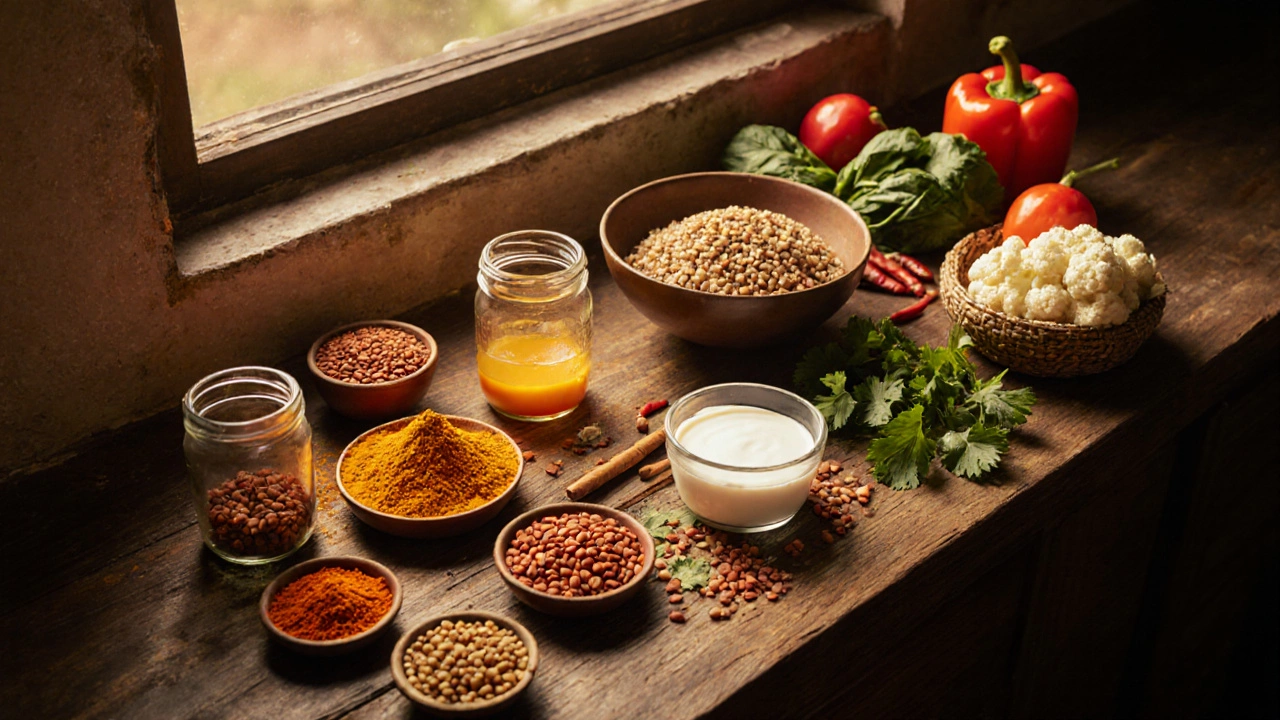
Is Indian Food Healthy? A Deep Dive into Nutrition and Easy Recipes
Explore the real health impact of Indian cuisine, learn nutrient‑rich ingredients, cooking hacks, and quick low‑calorie recipes to enjoy Indian flavors without the guilt.
Read More