Indian Biryani Flavors: Discover the Spices, Regions, and Secrets Behind Every Bite
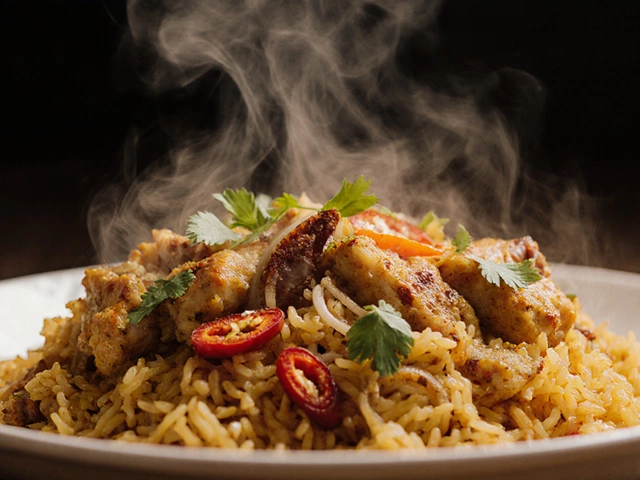
When you think of Indian biryani flavors, a fragrant, layered rice dish cooked with meat, spices, and saffron, deeply rooted in India’s royal kitchens and street corners alike. Also known as biryani, it’s not just a meal—it’s a story told through layers of spice, rice, and slow-cooked meat. Every bite carries the history of a region, a family tradition, or a chef’s secret. This isn’t one dish. It’s a whole family of dishes, each with its own voice.
Take Hyderabadi biryani, a bold, spicy version from Telangana that uses dum cooking, fried onions, and kewra water for that signature perfume. Then there’s Lucknowi biryani, a softer, subtler style from Uttar Pradesh where the meat is marinated for hours and the rice stays fluffy, never overpowering. The difference isn’t just taste—it’s technique. One relies on heat and smoke, the other on patience and balance. And at the heart of both? basmati rice, long-grain, aromatic, and essential for that perfect, separate grain texture. Without it, you don’t have biryani—you have spiced rice.
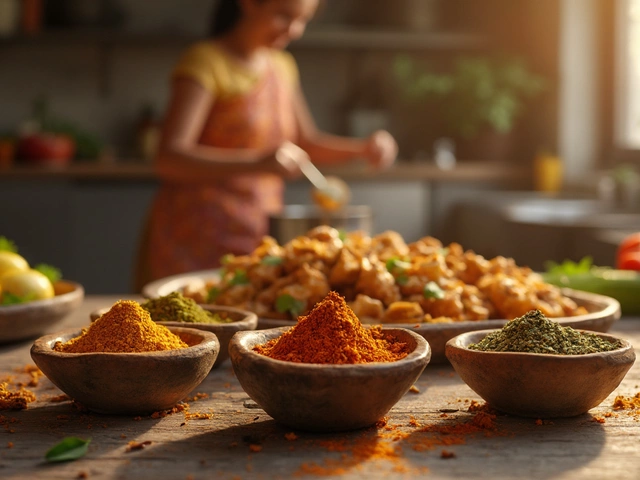
What makes these flavors stick with you? It’s the spice blend. Not just cumin and coriander, but the quiet heroes: star anise in Awadhi biryanis, mace in Kashmiri versions, and the smoky depth of whole cloves slow-roasted with onions. Even the type of oil matters—ghee gives richness, while mustard oil in some rural styles adds a sharp kick. And don’t forget the yogurt marinade—it tenderizes, it balances heat, and it carries the spices deep into the meat. These aren’t random choices. They’re centuries-old science, passed down in kitchens where recipes are whispered, not written.
There’s no single "correct" biryani. That’s the beauty of it. In Kolkata, you’ll find potatoes and boiled eggs. In Tamil Nadu, it’s coconut milk and curry leaves. In Delhi, it’s layered with fried nuts and dried fruit. The common thread? Every version respects the rice, honors the spice, and never rushes the process. If you’ve ever tasted a biryani that felt flat or muddy, it’s because someone skipped the soaking, used the wrong rice, or dumped all the spices in at once. Real biryani waits. It breathes. It layers.
Below, you’ll find real guides from home cooks and chefs who’ve cracked the code—how to soak basmati rice for perfect texture, which spices to toast and when, how to layer without turning your biryani into mush, and why some swear by rose water while others avoid it entirely. You’ll see how regional styles differ, what to look for in authentic spice blends, and how to fix common mistakes that ruin the flavor. No fluff. Just the facts that turn good biryani into unforgettable biryani.

What's the Sweet Thing in Biryani? Surprising Ingredients and Secrets Unveiled
Ever wondered about the sweet burst in your flavorful biryani? This article uncovers the mystery ingredient, shares interesting facts, and unlocks the secrets and tips for recreating authentic biryani at home.
Read More