Hindu Vegetarianism: Food, Faith, and the Daily Dishes That Define It
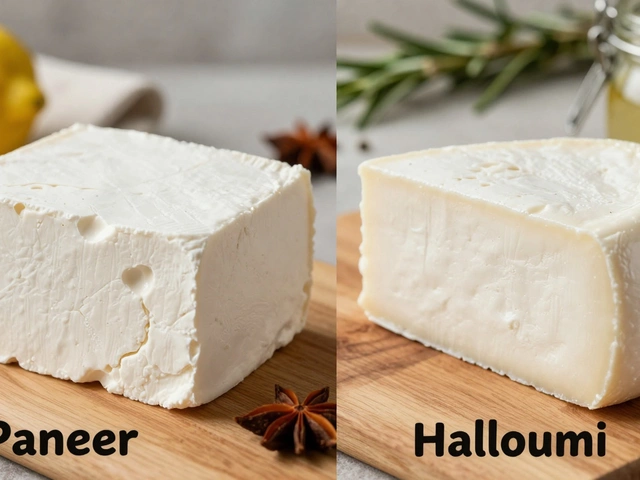
When you think of Hindu vegetarianism, a dietary practice rooted in non-violence and spiritual discipline, widely followed across India. Also known as satvik eating, it’s not just about avoiding meat—it’s about choosing foods that support clarity, calm, and connection to the divine. This isn’t a trend. It’s a rhythm. For millions, every meal starts with a bowl of dal, a simple, spiced lentil stew that’s the backbone of daily nutrition in Indian homes, or a plate of paneer, a fresh, homemade cheese made by curdling milk with lemon or vinegar, central to both home cooking and temple offerings. These aren’t just ingredients—they’re symbols of purity, sustainability, and daily devotion.
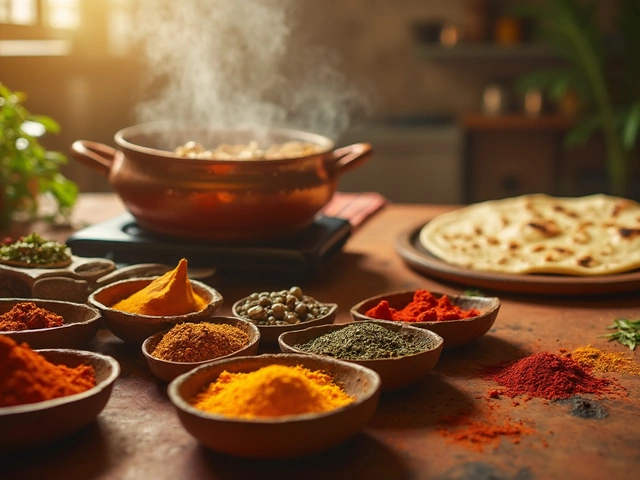
Hindu vegetarianism doesn’t mean bland food. It means flavor built from spices, fermentation, and patience. Think of the tangy crunch of dosa, a fermented rice and lentil crepe that’s light, digestible, and packed with probiotics, or the rich, slow-cooked chole bhature, a hearty combination of spiced chickpeas and fried bread that’s both indulgent and vegetarian. Even sweets like peda, a milk-based dessert dating back centuries, made with just sugar and khoya, follow rules: no animal products, no artificial additives, just pure, slow-processed ingredients. This is food as ritual. It’s why people in Mathura still make peda the same way they did 500 years ago. It’s why paneer is never bought from the store if you can make it yourself. And it’s why dal isn’t just a side—it’s the soul of the meal.
What you’ll find here isn’t a list of rules. It’s a collection of real, everyday dishes that show how Hindu vegetarianism lives in kitchens, not just scriptures. You’ll see how people eat healthy without trying, how they make protein-rich meals from lentils and dairy, and how even snacks like poha and upma fit into a life guided by tradition. Whether you’re curious about why paneer spoils so fast, which dal gives you the most iron, or how coconut milk works in curries without breaking the rules—this is where those answers live. No grand theories. Just food that works, day after day.
Is Eating Eggs a Sin in Hinduism? A Clear Guide to Religion, Diet, and Tradition
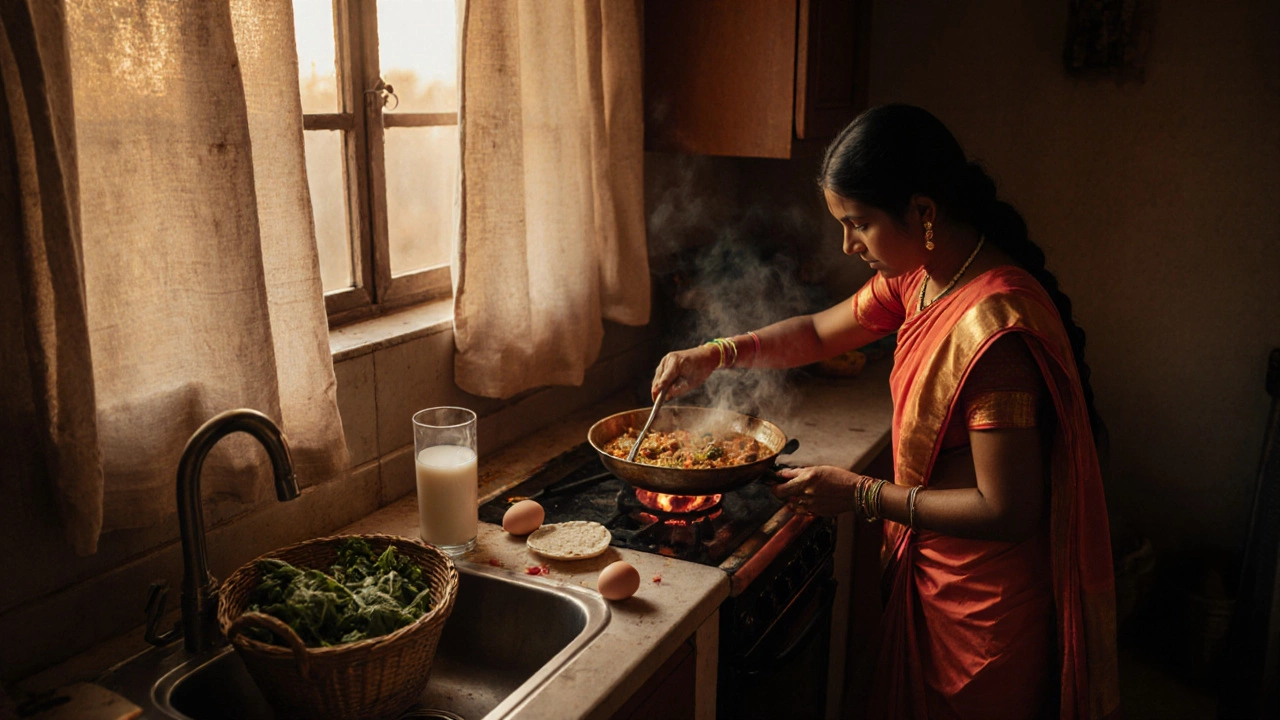
Eating eggs isn't a sin in Hinduism, but many Hindus avoid them due to beliefs in non-violence and purity. Learn why eggs are treated like meat in Hindu diets and how this affects Indian cooking and daily life.
Read More