Hindu Diet: What It Really Means and How It Shapes Indian Food
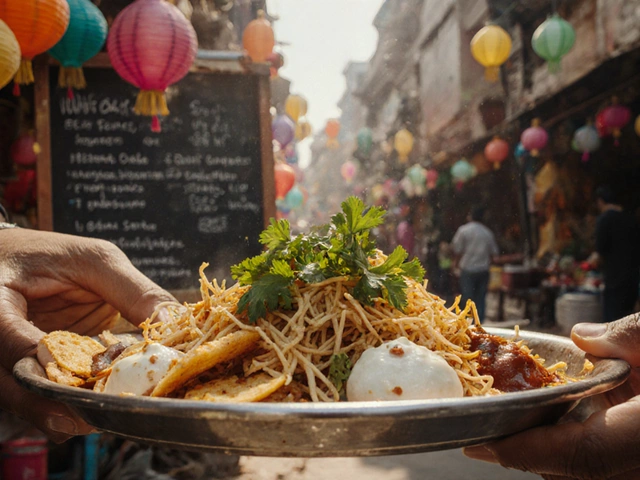
When people talk about the Hindu diet, a food pattern shaped by religious beliefs, regional practices, and centuries of tradition. Also known as Indian vegetarian diet, it’s not a single set of rules—it’s a living system of eating that varies from village to city, from temple kitchen to home stove. Many assume it’s just "no meat," but that’s only part of the story. For millions, it’s about purity, timing, and respect—for the body, the earth, and the divine. This isn’t a fad. It’s how people have eaten for generations, and you’ll find its fingerprints on nearly every dish in Indian kitchens.
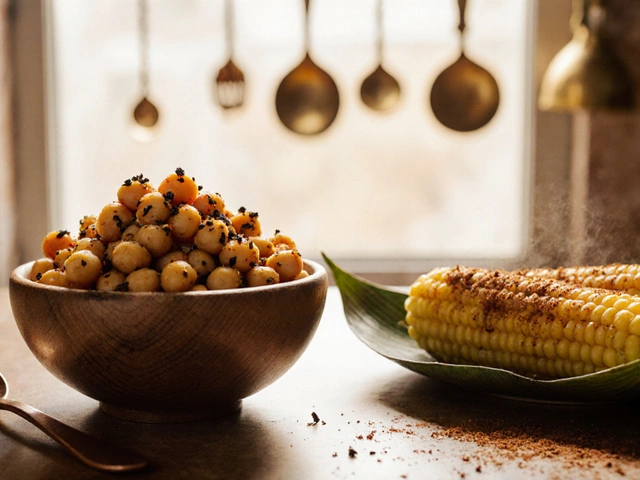
The real heart of the Hindu diet lies in its staples: dal, split lentils cooked into a simple, protein-rich stew that’s eaten daily across India. Also known as lentil curry, it’s the backbone of meals from Punjab to Tamil Nadu. Then there’s paneer, a fresh, unaged cheese made by curdling milk with lemon or vinegar, widely used in vegetarian dishes. Also known as Indian cottage cheese, it’s a key source of protein for those avoiding meat and dairy from animals raised for slaughter. Even sweets like peda, a centuries-old milk-based dessert from Mathura. Also known as milk fudge, it’s made without eggs or animal-derived gelatin, aligning with principles of ahimsa—non-harm. These aren’t just ingredients. They’re choices shaped by belief, availability, and taste passed down through families.
What you won’t find in a traditional Hindu diet? Beef, of course—but also often onion and garlic in certain communities, or even certain legumes during fasting days. It’s not about restriction for its own sake. It’s about alignment—with seasons, rituals, and bodily balance. That’s why you’ll see so many posts here about dal nutrition, how to store paneer safely, or why jaggery beats sugar in Indian sweets. These aren’t random recipes. They’re pieces of a larger pattern: food as culture, food as care.
Below, you’ll find real, practical guides on what people actually eat—not theory, not trends. How to make dal that’s rich without cream. How to tell if your paneer is still good. Why dosa is considered healthy. And why some of the best Indian breakfasts are also among the most nutritious in the world. This isn’t about being perfect. It’s about understanding what’s been eaten, and loved, for centuries—and how you can bring that into your kitchen today.
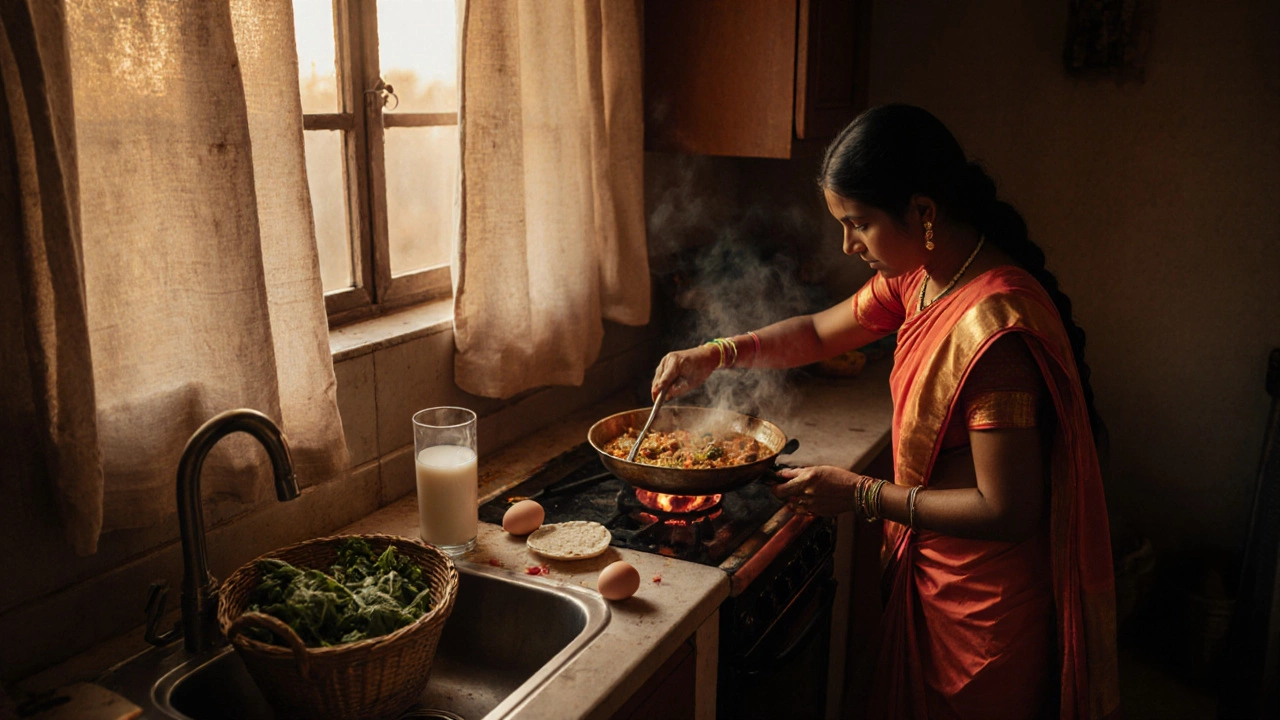
Is Eating Eggs a Sin in Hinduism? A Clear Guide to Religion, Diet, and Tradition
Eating eggs isn't a sin in Hinduism, but many Hindus avoid them due to beliefs in non-violence and purity. Learn why eggs are treated like meat in Hindu diets and how this affects Indian cooking and daily life.
Read More