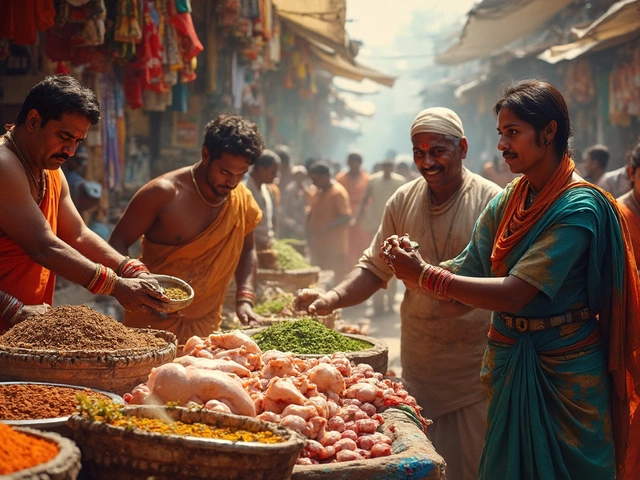
Health Benefits of Indian Foods: Nutrition, Dals, Snacks, and More
When you think of health benefits, the positive effects on the body from food choices. Also known as nutritional advantages, it isn’t just about cutting calories—it’s about what you eat every day. Indian cuisine, often misunderstood as heavy or oily, is packed with ingredients that naturally support digestion, energy, and long-term wellness. From lentils that give you more protein than chicken to fermented snacks that heal your gut, the health benefits are built into the food, not added as an afterthought.
Take dal, a simple, spiced lentil stew central to daily meals across India. It’s not just comfort food—it’s a powerhouse. One cup of cooked moong dal gives you nearly 15 grams of protein and 16 grams of fiber, all with a low glycemic index. That means steady energy, no sugar crashes. And it’s not just dal—dosa, a fermented rice and lentil crepe popular in South India is another example. The fermentation process breaks down starches, making it easier to digest and boosting probiotics. Even jaggery, a traditional unrefined cane sugar used in Indian sweets, carries minerals like iron and magnesium, unlike white sugar. These aren’t trendy superfoods—they’re everyday staples that have kept generations healthy without pills or supplements.
People assume Indian food means fried samosas and creamy curries, but the real story is deeper. The health benefits come from how food is prepared, not just what’s in it. Steamed idlis, roasted chana, poha with turmeric, and snacks made with ragi flour all deliver nutrients without guilt. Even sweets like date halwa or ragi laddus replace refined sugar with natural sweeteners that don’t spike blood sugar. And if you’re watching your weight, you don’t need to give up flavor—Indian snacks like roasted makhana or spiced chickpeas keep you full longer than chips or cookies.
You’ll find all this in the posts below—real talk about what makes Indian food work for your body. No fluff. No myths. Just clear answers on which dal is best for protein, how to eat sweets without the sugar crash, and why your morning poha might be healthier than oatmeal. Whether you’re cooking for yourself, trying to lose weight, or just curious about what makes Indian meals so nourishing, you’ll find practical tips and facts that actually help.
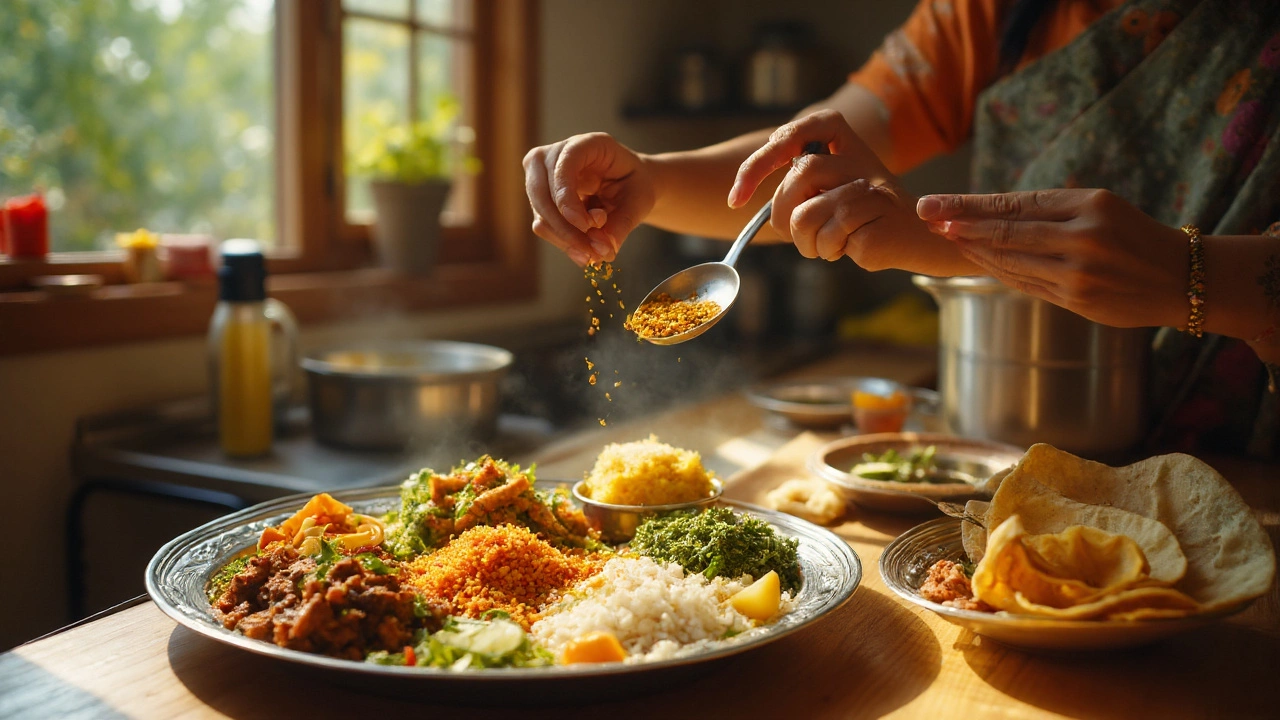
How Healthy Is Indian Vegetarian Food? Nutrition Benefits, Pitfalls, and a Smart Thali Guide
Is Indian vegetarian food healthy? See nutrition benefits, common pitfalls, smart swaps, and a step-by-step thali guide with protein, fiber, and spice science.
Read More