Health Indian Food: Nutritious Dals, Snacks, and Breakfasts That Actually Work
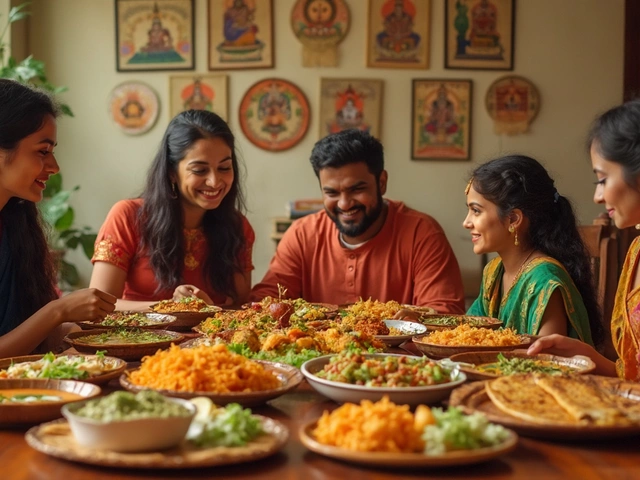
When we talk about health Indian food, a diverse collection of traditional dishes rooted in regional ingredients, fermentation, and spice-based cooking. Also known as Indian diet, it’s not just about avoiding oil or sugar—it’s about how food is prepared, combined, and eaten daily. This isn’t a fad. For centuries, families across India have relied on simple meals like dal, a protein-rich lentil stew made from split legumes like masoor, toor, or chana. Also known as lentil curry, it’s a daily source of fiber, iron, and plant-based protein that keeps blood sugar steady. Studies show that eating dal regularly lowers cholesterol and helps manage diabetes, which is why it’s a cornerstone of Indian meals from Punjab to Tamil Nadu.
Then there’s Indian breakfast, a category of morning meals built on fermented grains, steamed rice cakes, and slow-cooked porridges. Also known as traditional Indian morning meals, it includes idli, poha, and upma—foods that digest slowly, fuel your day without crashes, and rarely need added sugar. Unlike Western breakfasts loaded with refined carbs, these meals use natural fermentation (like in dosa batter) to boost probiotics and improve nutrient absorption. That’s why researchers point to Indian breakfasts as some of the healthiest in the world—not because they’re low-fat, but because they’re balanced, whole, and timed right.
Not all Indian food is healthy by default. Indian sweets, often made with jaggery, khoya, or sugar syrup. Also known as mithai, they’re festive treats, not daily snacks. But even here, there’s a shift: today’s home cooks are making healthy Indian sweets with ragi, dates, and nuts—cutting sugar without losing flavor. And when it comes to dairy, paneer, fresh Indian cottage cheese made by curdling milk with lemon or vinegar. Also known as Indian cheese, it’s packed with protein—but only if it’s fresh. Eating 7-day-old paneer? Don’t risk it. Spoiled paneer doesn’t just taste bad—it can make you sick, no matter how well you cook it.
What you’ll find below isn’t a list of diet rules. It’s a collection of real, tested, everyday choices—how to pick the healthiest dal, why dosa is better than toast, which snacks actually help with weight loss, and how to avoid food traps while still enjoying Indian flavors. No magic pills. No deprivation. Just clear, practical food wisdom from kitchens across India.
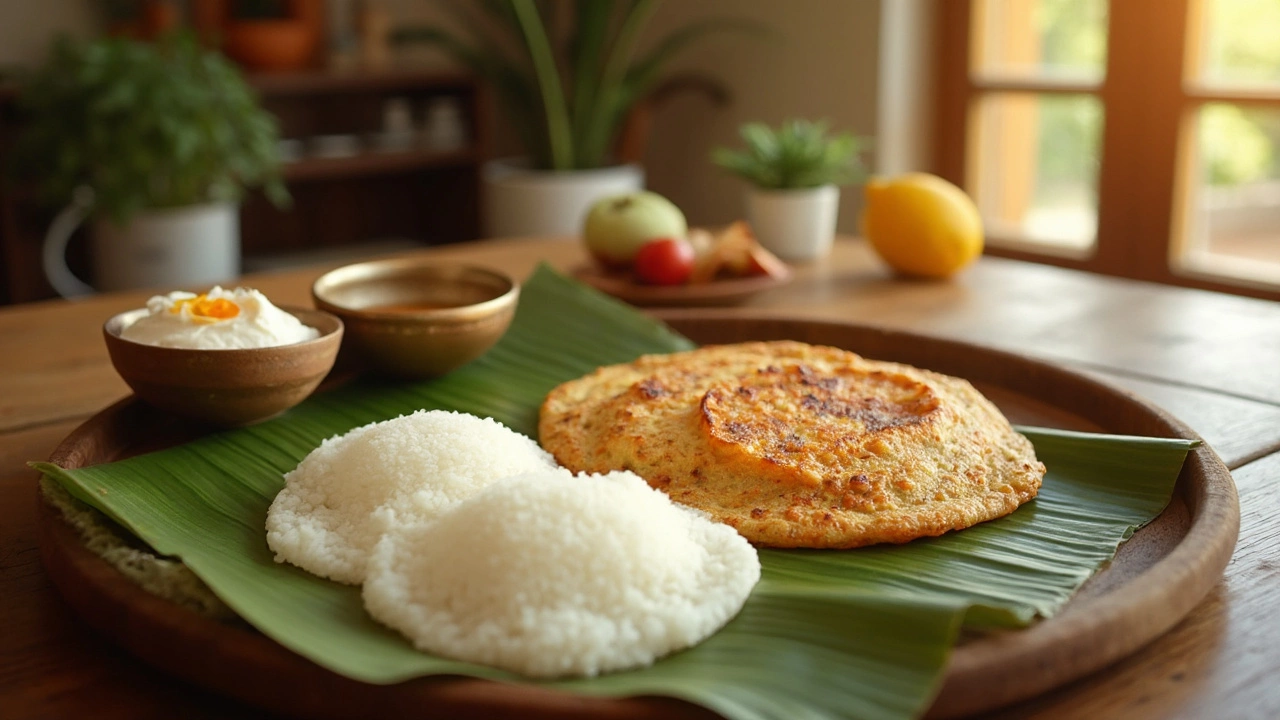
Idli vs. Dosa: Which Is Healthier for You?
Ever wondered if you should pick idli or dosa as the healthier choice? This article peels back the layers on both these South Indian classics, looking at calories, nutrition, portion sizes, and how your choice of batter can make a difference. You'll discover which is better for weight watchers, which keeps you full for longer, and what tweaks can level up their health factor. Simple tips and honest facts—no fluff. If dosa batter's on your mind, this is your no-nonsense guide.
Read More