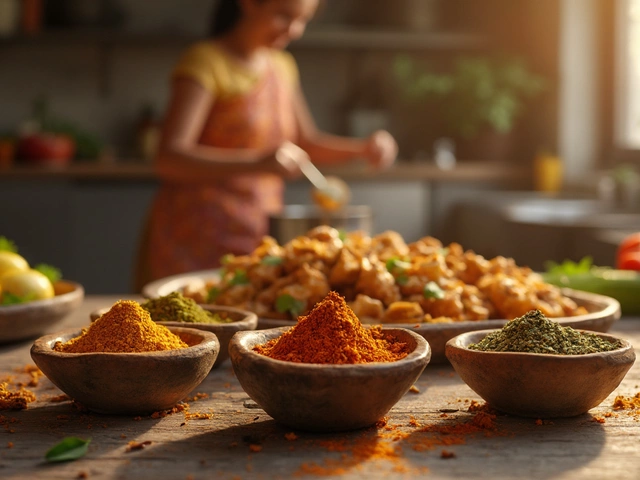
Global Desserts: Classic Indian Sweets and How They Fit Into Worldwide Treats
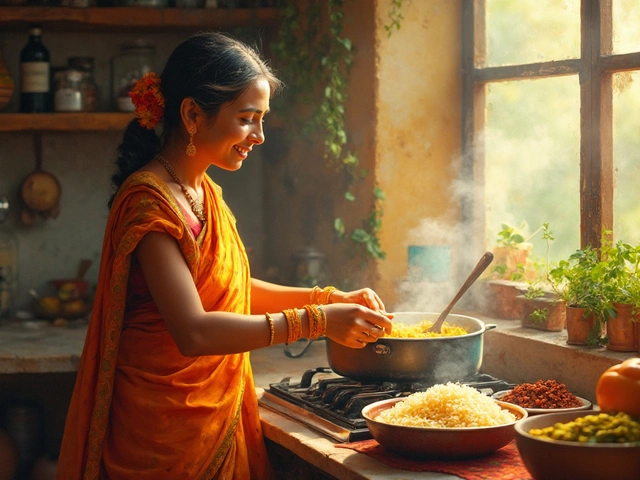
When we talk about global desserts, sweet treats enjoyed across cultures, from French crème brûlée to Japanese mochi. Also known as international sweets, these desserts reflect local ingredients, traditions, and celebrations. But among the most enduring and widely loved are the Indian sweets, rich, often milk-based confections made with simple ingredients like khoya, jaggery, and cardamom. Also known as mithai, they’re not just dessert—they’re part of daily rituals, festivals, and family gatherings. Unlike Western desserts that lean on butter and refined sugar, Indian sweets often use slow-cooked milk solids, natural sweeteners, and aromatic spices to build deep, layered flavors.
Take Peda, a centuries-old sweet from Mathura made from just milk and sugar, simmered for hours until it thickens into a soft, fudgy bite. Also known as milk fudge, it’s one of the oldest known sweets in India and still made the same way today. Then there’s Gulab Jamun, deep-fried dough balls soaked in sugar syrup, often flavored with rosewater or cardamom. Also known as Indian donut balls, they’re served at weddings, Diwali, and even in cafes from New York to Dubai. These aren’t just sweets—they’re cultural artifacts. What makes them stand out globally is their use of jaggery, an unrefined cane sugar with molasses notes that gives Indian desserts their earthy, caramel-like depth. Also known as gur, it’s a natural alternative to white sugar and still used in health-conscious recipes today. You won’t find this flavor profile in a chocolate cake or tiramisu. That’s why global dessert lovers are turning to Indian sweets—not for novelty, but for authenticity and complexity.
What’s surprising is how these sweets fit into modern health trends. Many are naturally dairy-rich, low in additives, and made without artificial flavors. Recipes for healthy Indian sweets now use ragi, dates, and coconut milk to cut sugar without losing taste. Even in the U.S., people are asking: What’s the English word for gulab jamun? The answer? There isn’t one—and that’s the point. These desserts don’t need translation. They stand on their own.
Below, you’ll find real, tested posts that break down how these sweets are made, why they last for days, what sweeteners truly matter, and how they compare to global favorites. No fluff. Just the facts, tips, and stories behind the treats you’ve tasted—or want to try.
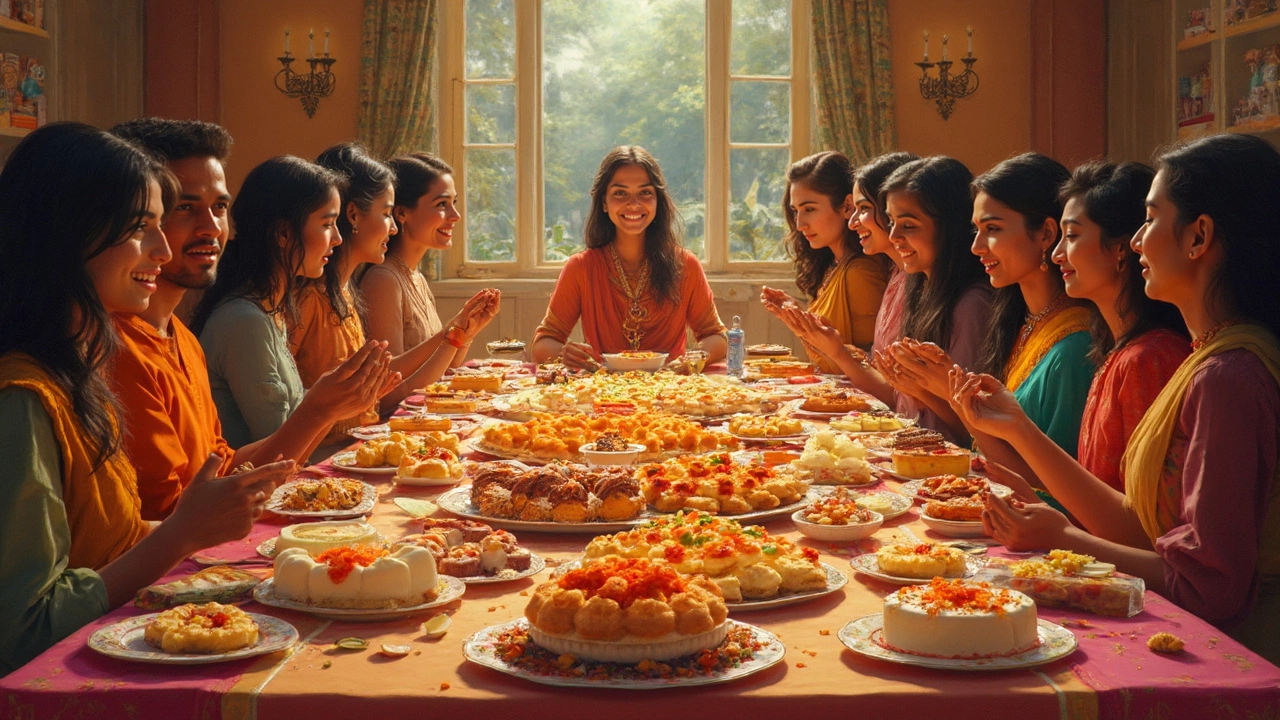
What Nationality Eats the Most Sweets? Facts, Favorites, and the Indian Sweets Connection
Ever wondered which country can't stop at just one piece of dessert? This article looks into which nationalities have the biggest sweet tooth and why. You'll find real numbers, surprising trends, and the unique place Indian sweets have in this global craving. Plus, there are tips for enjoying sweets mindfully and how Indian-inspired treats fit into the world's dessert scene. Get ready for some eye-opening facts and handy suggestions.
Read More