Forbidden Foods in India: What to Avoid and Why
When we talk about forbidden foods, foods avoided due to religious, cultural, or health reasons in India. Also known as restricted diets, these aren’t just about taste—they’re tied to belief, safety, and daily life. In India, what you don’t eat can be just as important as what you do. Some foods are avoided because of Hindu dietary traditions, practices rooted in non-violence and purity that shape what millions eat every day. Others are avoided because they’re simply unsafe—like paneer left out too long or street food from unclean stalls. These aren’t myths. They’re real choices people make to protect their health, honor their beliefs, or avoid getting sick.
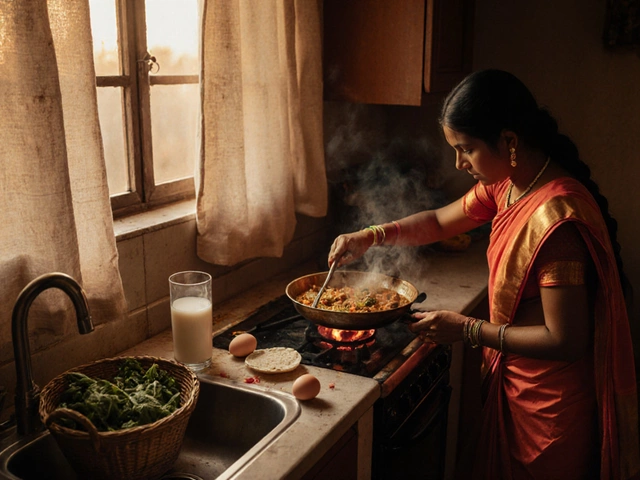
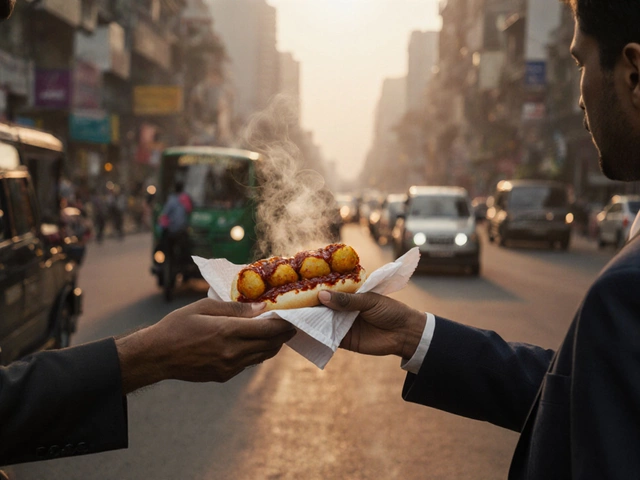
Take eggs, a food often debated in Indian households because of its association with meat in religious contexts. Many Hindus don’t eat eggs, not because it’s a sin, but because of how purity is defined in their tradition. It’s not about the egg itself—it’s about the idea of life and non-violence. Then there’s spoiled paneer, a dairy product that goes bad fast, even if it looks fine. You can’t cook it away. Eating week-old paneer isn’t brave—it’s risky. And then there are street foods that look delicious but carry hidden dangers: undercooked meat, unclean water, or oil reused too many times. These aren’t just warnings. They’re survival tips passed down through families.
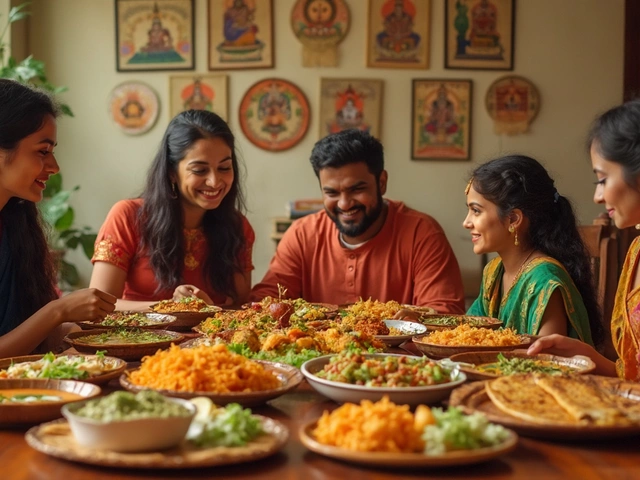
What makes this even more interesting is how these rules change by region, family, and generation. In some parts of India, chicken curry is everyday food. In others, it’s avoided on certain days. Some people eat jaggery instead of sugar not just for taste, but because it’s seen as purer. The line between what’s forbidden and what’s just not preferred isn’t always clear—but the consequences are. You don’t need to follow every rule to eat well in India. But knowing why they exist helps you make smarter choices, whether you’re cooking at home or traveling through Mumbai’s streets.
Below, you’ll find real stories and practical guides from people who’ve learned these lessons the hard way. From how to spot bad paneer before it’s too late, to why some Indian sweets are safer than others, to what makes certain breakfasts healthier than they look—this collection cuts through the noise. No fluff. Just what you need to know to eat safely, respectfully, and well in India.

Forbidden Foods in Sikhism: What You Need to Know
Sikhism has specific guidelines about what foods are allowed. This article explains which foods are forbidden for Sikhs and why, especially when it comes to quick Indian breakfast choices. Learn about the reasoning behind these food rules, how they affect everyday eating, and what alternatives are available. You'll also pick up tips for following these dietary customs without stress. Get a clear picture of what you should and shouldn't eat if you want to respect Sikh food beliefs.
Read More