Food Safety in India: What You Need to Know to Eat Well and Stay Healthy
When it comes to food safety in India, the practices that keep meals from making you sick, especially in homes and street kitchens across the country. Also known as Indian food hygiene, it’s not just about clean surfaces—it’s about timing, temperature, and tradition. Many people assume that because Indian food has been eaten for centuries, it’s automatically safe. But that’s not true. Spoiled paneer, undercooked eggs, and improperly stored spices can turn a delicious meal into a hospital visit. The rules aren’t complicated, but they’re often ignored—especially when cooking in bulk or buying from roadside vendors.
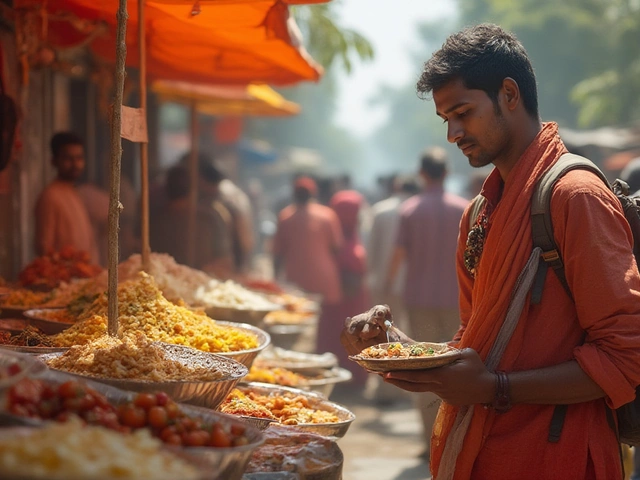
Paneer storage, how long homemade cheese lasts before it turns dangerous. Also known as homemade paneer shelf life, it’s one of the most overlooked risks in Indian kitchens. You can’t rely on smell or appearance. Paneer that looks fine after five days is still risky. Bacteria grow fast in dairy, and cooking won’t kill all the toxins. Same goes for leftover curries left out overnight—heat doesn’t erase what’s already spoiled. Then there’s street food safety in India, how to pick stalls that won’t make you sick. Also known as safe street food India, it’s less about fancy hygiene signs and more about watching how the food is handled. Is the oil fresh? Are the utensils clean? Is the water used for washing veggies from a sealed bottle? These aren’t paranoid questions—they’re survival checks.
Even the spices you trust can be a problem. Asafoetida (hing) is powerful, but if it’s old or damp, it can harbor mold. Jaggery and other natural sweeteners aren’t sterile—they can attract bugs or ferment if stored wrong. And let’s not forget eggs: many Hindus avoid them for religious reasons, but those who eat them need to know that cracked shells or unrefrigerated cartons are a silent threat. Food poisoning in India isn’t always from foreign travelers—it’s often from well-meaning home cooks following old habits without updating their knowledge.
What you’ll find in the posts below aren’t just recipes. They’re real-life safety guides. Learn how long paneer really lasts, what street foods to avoid, why soaking rice matters beyond flavor, and how to tell if your coconut milk is about to spoil. No fluff. No theory. Just what works when you’re standing in your kitchen or walking past a vada pav cart. This isn’t about fear—it’s about confidence. Eat well. Stay well. Know the difference between tradition and risk.

How to Avoid a Bad Stomach in India - Practical Tips for Travelers
Practical tips to keep your stomach happy while traveling in India, covering water safety, food choices, hygiene, probiotics, and emergency steps.
Read More