Flavors in Biryani: The Spices, Techniques, and Secrets Behind Every Bite
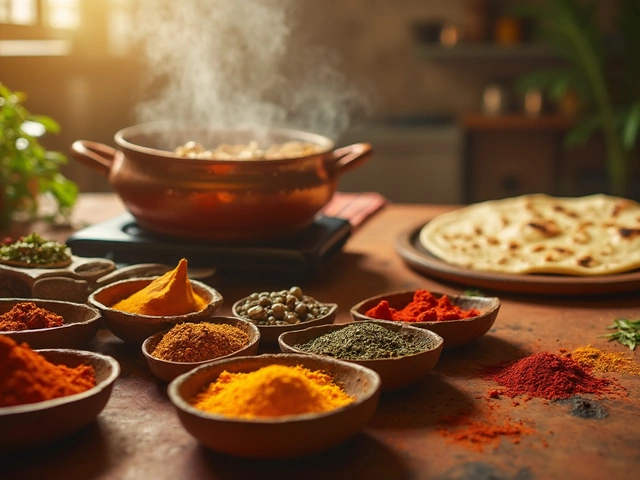
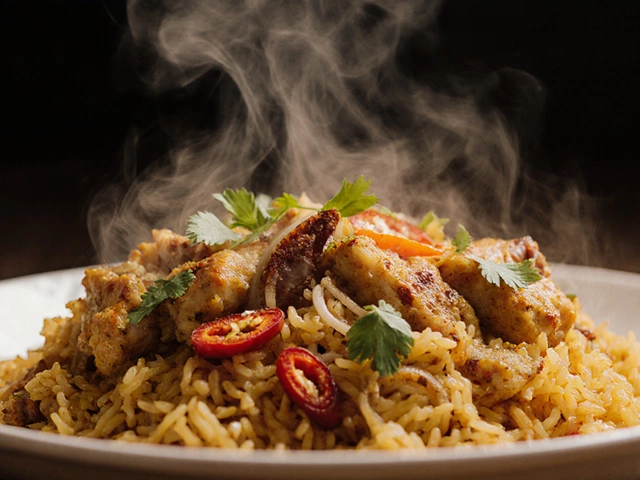
When you think about flavors in biryani, the complex, layered taste that comes from slow-cooked meat, fragrant rice, and a blend of whole spices, you’re not just tasting food—you’re tasting centuries of tradition. This isn’t one dish. It’s a family of dishes, each with its own rhythm, each shaped by region, family, and time. The magic doesn’t come from one spice. It comes from how they’re layered—whole cumin and cardamom toasted in ghee, cinnamon sticks simmered with onions, cloves tucked under the meat, and saffron soaked in warm milk and drizzled at the end. That’s how you get depth, not just heat.
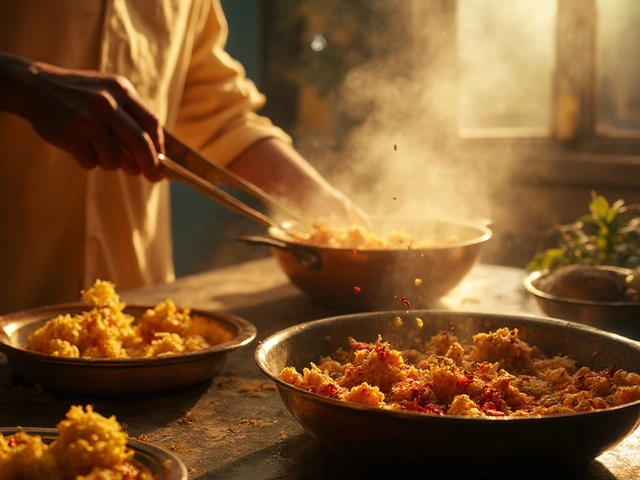
biryani spices, the essential blend that defines the dish’s soul are simple but precise: star anise, mace, nutmeg, bay leaves, and black pepper. You won’t find chili powder in most authentic versions. The heat comes from fresh green chilies or dried red ones, added at the right moment so they don’t burn. And then there’s biryani rice, the foundation that holds everything together. Basmati isn’t just preferred—it’s required. But soaking it for 30 minutes isn’t optional. It’s what lets the grains stay separate, long, and fragrant after steaming. Skip that step, and your biryani turns mushy. The real trick? Parboiling the rice just until it’s 70% done, then layering it with meat and letting it steam in a sealed pot. That’s how the steam carries the spice aromas deep into every grain.
Some cooks swear by yogurt-marinated meat. Others use fried onions—crispy, caramelized, and scattered between layers. A few even add rose water or kewra water at the end, just a drop, to lift the whole thing. These aren’t gimmicks. They’re regional signatures. In Lucknow, it’s delicate and floral. In Hyderabad, it’s bold, spicy, and loaded with meat. In Kolkata, you’ll find boiled eggs and potatoes tucked in. All of them are biryani. All of them rely on the same principle: patience, layering, and respect for each ingredient’s role.
What you’ll find in the posts below aren’t just recipes. They’re real stories from kitchens across India—how to get the perfect rice texture, why hing makes a difference even if you can’t smell it, how to avoid soggy biryani, and what to serve with it so the flavors don’t get lost. No fluff. No fancy terms. Just what works.

Why Add Lemon in Biryani? The Tangy Secret Explained
Ever noticed how a splash of lemon brings out something special in biryani? This article gets straight to the point on why lemon is more than just a garnish. Discover what really changes when you add it, how it works with other ingredients, and tips on using it the right way. There's actual food chemistry behind that tangy squeeze. Ready to upgrade your biryani game? Read on for all the details.
Read More