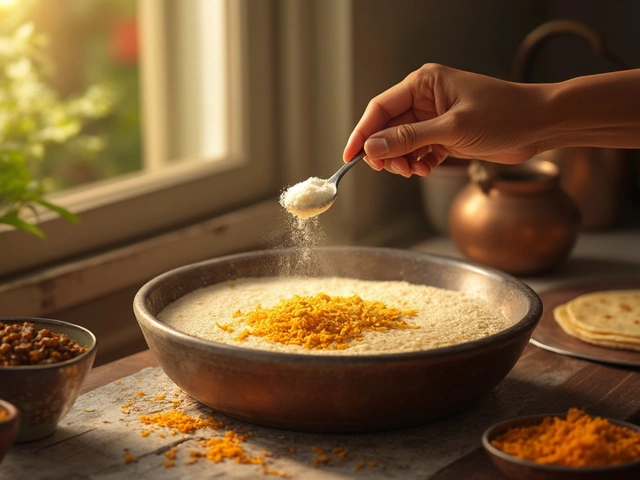
Flatbreads: Discover the Best Indian Flatbreads and How to Make Them
When you think of Indian food, you probably picture spicy curries, but the real foundation of every meal is the flatbread, a simple, unleavened or lightly leavened bread baked on a flat surface and eaten daily across India. Also known as roti, chapati, or phulka, flatbreads aren’t just side dishes—they’re the utensil, the vessel, the comfort. Whether you’re scooping up dal, wrapping up chole, or tearing off a piece to soak up gravy, flatbreads are the silent hero of every Indian plate.
Not all flatbreads are the same. Roti, the most basic form, made with just whole wheat flour, water, and salt, is cooked on a tawa and puffs up when heated. It’s the daily bread in most North Indian homes, eaten twice a day, plain or with a smear of ghee. Then there’s naan, a slightly leavened, oven-baked bread with a soft, chewy texture, often brushed with butter or garlic. It’s the kind you get at restaurants, but you can make it at home with yogurt and a bit of yeast. And don’t forget paratha, a layered, flaky flatbread stuffed with potatoes, paneer, or spices, and fried in ghee until golden. It’s breakfast, lunch, and sometimes even dinner—especially when paired with yogurt or pickle. Each one has its own texture, flavor, and place in the kitchen. You won’t find them in the same meal, but you’ll find them everywhere—on village hearths, in city apartments, and at roadside stalls.
What ties them together? Simplicity. No fancy equipment. No long rise times. Just flour, water, heat, and patience. You don’t need a tandoor to make naan—your stovetop works fine. You don’t need store-bought ghee to flavor paratha—homemade butter does the trick. These are breads built for real life, not perfection. They’re forgiving. They’re flexible. And they’re the reason Indian meals feel complete.
Below, you’ll find real recipes, real tips, and real stories from home cooks who make these breads every day. Whether you’re trying to get the perfect puff on your roti, learning how to roll paratha without tearing it, or just wondering why your naan won’t brown right—you’ll find answers here. No fluff. No theory. Just what works.
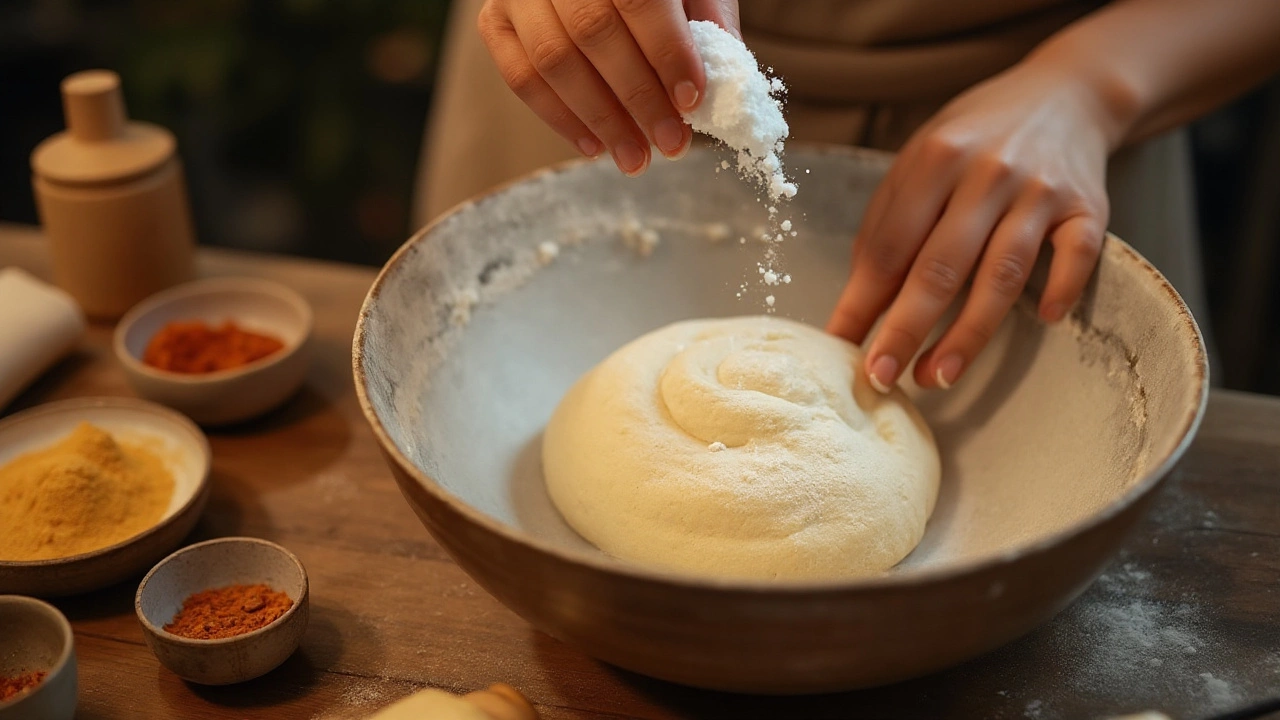
Baking Soda in Roti Dough: Secrets to Soft, Fluffy Bread
Ever wondered if baking soda could be the secret ingredient for making soft and fluffy roti? This article explores how baking soda affects roti dough, offering insights into the chemistry behind the transformation. Learn about the appropriate quantities, benefits, and potential drawbacks of using baking soda in your roti-making process. With tips and tricks tailored to enhance texture, discover how to elevate your homemade flatbreads.
Read More