Fenugreek in Indian Cooking: Uses, Benefits, and How to Use It
When you think of Indian spices, fenugreek, a bitter, aromatic seed and leaf used widely in Indian cuisine and Ayurveda. Also known as methi, it's the secret behind the deep flavor in many dals, curries, and pickles. You might smell it before you see it—fenugreek seeds have a strong, almost maple-like aroma when toasted, but turn earthy and nutty when cooked. It’s not just flavor; it’s function. People in India have used fenugreek for centuries to help with digestion, blood sugar, and even milk production for nursing mothers.
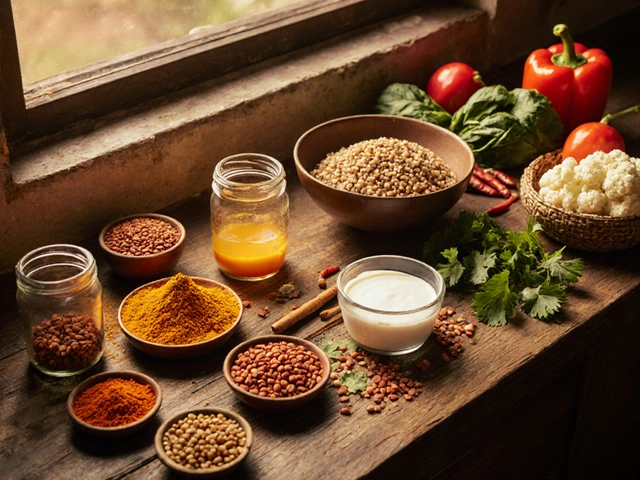
Fenugreek shows up in two main forms: fenugreek seeds, small, hard, amber-colored seeds used whole or ground in spice blends, and fenugreek leaves, fresh or dried green leaves added to curries and parathas for a sharp, herbal kick. The seeds are often tempered in hot oil at the start of cooking—this releases their flavor without making them bitter. The leaves? They’re stirred in toward the end, like cilantro, to brighten up a dish. You’ll find them in everything from a simple dal to a rich paneer curry. Even if you don’t recognize the name, you’ve tasted it—fenugreek is in most garam masala blends and is a key player in South Indian sambar and North Indian aloo methi.
What makes fenugreek special isn’t just how it tastes, but how it works. A pinch can turn a flat dish into something layered and complex. It balances heat from chilies, cuts through the richness of ghee, and even helps other spices cling better to food. And if you’re cooking for health, it’s got a solid track record—studies show it may help regulate blood sugar and reduce inflammation. You don’t need fancy tools to use it. Just a pan, some oil, and a little patience. Toast the seeds until they smell nutty, grind them with cumin or coriander, or toss in a handful of dried leaves with your vegetables. It’s one of those ingredients that doesn’t shout, but makes everything better.
Below, you’ll find real recipes and tips from home cooks who use fenugreek every day—whether it’s fixing a bland curry, making methi paratha from scratch, or figuring out how to tame its bitterness. No theory. Just what works in the kitchen.
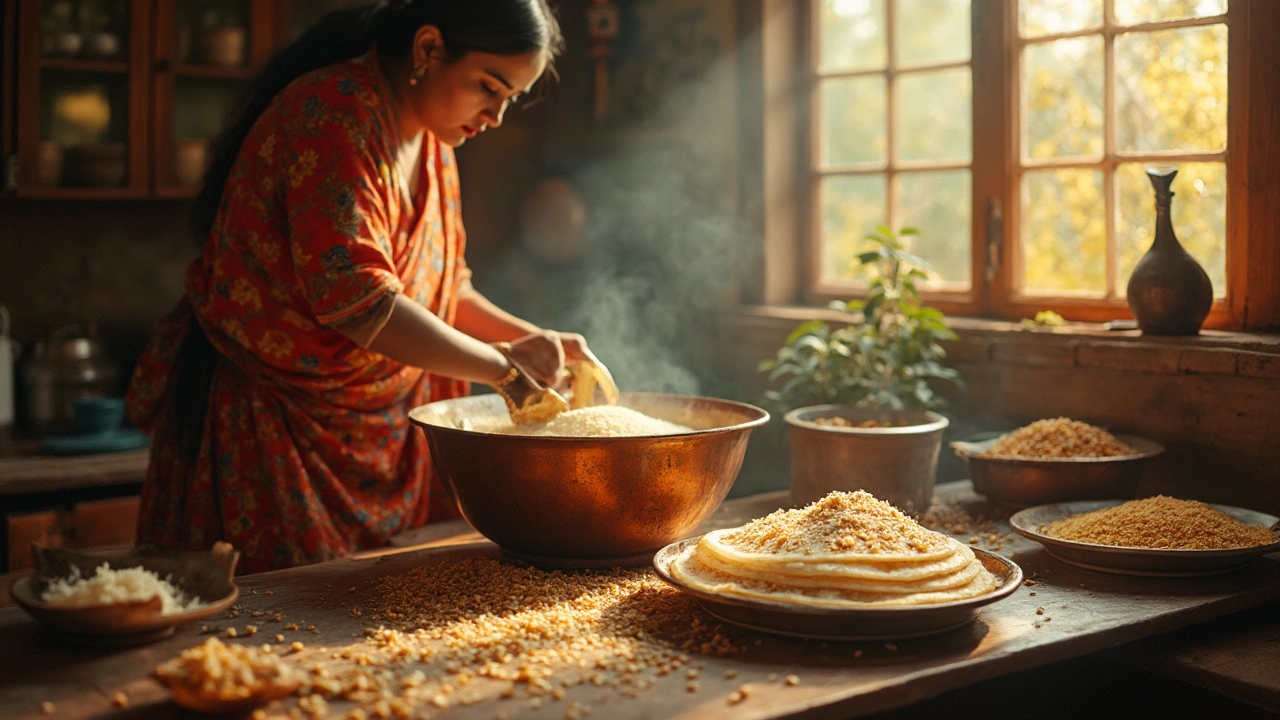
Why Fenugreek is Added to Dosa Batter
Fenugreek plays a crucial role in dosa batter by enhancing fermentation and offering nutritional benefits. It adds a unique flavor and helps the batter rise, resulting in crispy, fluffy dosas. This article explores the science behind fenugreek's effects and offers practical tips for its use in dosa preparation.
Read More