Eating Habits in India: What Indians Really Eat Daily
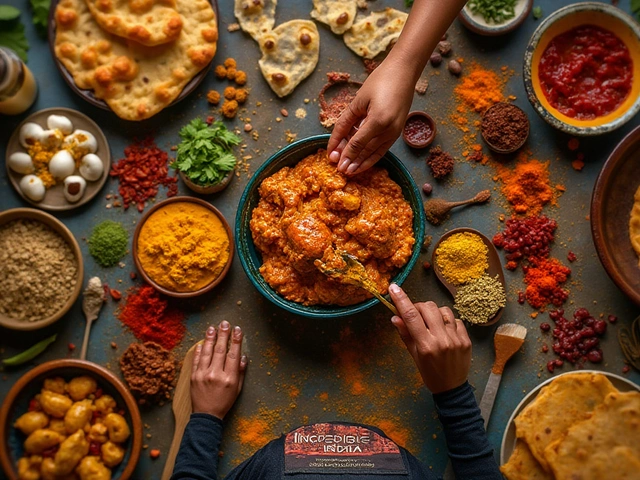
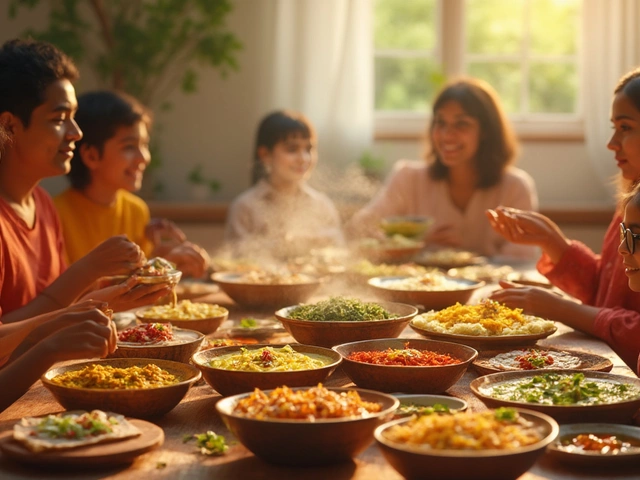
When we talk about eating habits, the consistent patterns of what and how people eat across cultures. Also known as dietary routines, it's not just about food—it's about rhythm, culture, and survival. In India, eating habits aren't shaped by trends or fads. They’re built over centuries, passed down through families, and tuned to climate, work, and belief. You won’t find calorie-counting apps driving breakfast here. Instead, you’ll find idli steaming in the south, paratha sizzling in the north, and dal simmering in every kitchen.
These habits aren’t random. They’re smart. Take dal, a daily lentil stew made from split pulses, central to Indian meals. Also known as lentil curry, it’s not just protein—it’s affordable, digestible, and pairs with rice or roti to make a complete meal. Millions eat it every day because it keeps energy steady and stomachs full. Then there’s paneer, a fresh, non-melting cheese made by curdling milk with lemon or vinegar. Also known as Indian cottage cheese, it’s used in curries, snacks, and even desserts—but only if it’s fresh. Eating 7-day-old paneer? That’s not a habit. That’s a risk. Indian eating habits respect food’s shelf life. Spoiled food isn’t cooked away—it’s thrown out.
What you eat in the morning tells you a lot about Indian eating habits. It’s not bacon and eggs. It’s fermented rice cakes, flattened wheat pancakes, or spiced rice porridge—all light, easy to digest, and packed with slow-releasing energy. That’s why Indian breakfasts like poha and upma are often called some of the healthiest in the world. They don’t spike blood sugar. They don’t need sugar. They don’t need butter. They work with your body, not against it.
And it’s not just about what’s on the plate. It’s about how you eat. Biryani isn’t shoveled. It’s layered, tasted slowly, and paired with raita to balance spice. Chutney isn’t just a condiment—it’s a flavor bridge between sour, sweet, and spicy. Even the way you soak basmati rice before cooking biryani matters. These aren’t quirks. They’re habits built on experience, not Instagram.
Indian eating habits don’t need gimmicks. No keto. No intermittent fasting. Just real food, eaten at real times, with real ingredients. That’s why dal, paneer, dosa, and poha show up again and again—not because they’re trendy, but because they work. You’ll find them in rural villages and city apartments, in homes where eggs are avoided for religious reasons and in kitchens where jaggery replaces sugar in sweets. This isn’t a diet. It’s a way of life.
Below, you’ll find real stories from real kitchens—how to make paneer without wasting milk, why eating eggs isn’t a sin in Hinduism, which dal gives you the most protein, and what breakfasts actually keep people energized all day. No fluff. Just what Indians eat, how they eat it, and why it matters.
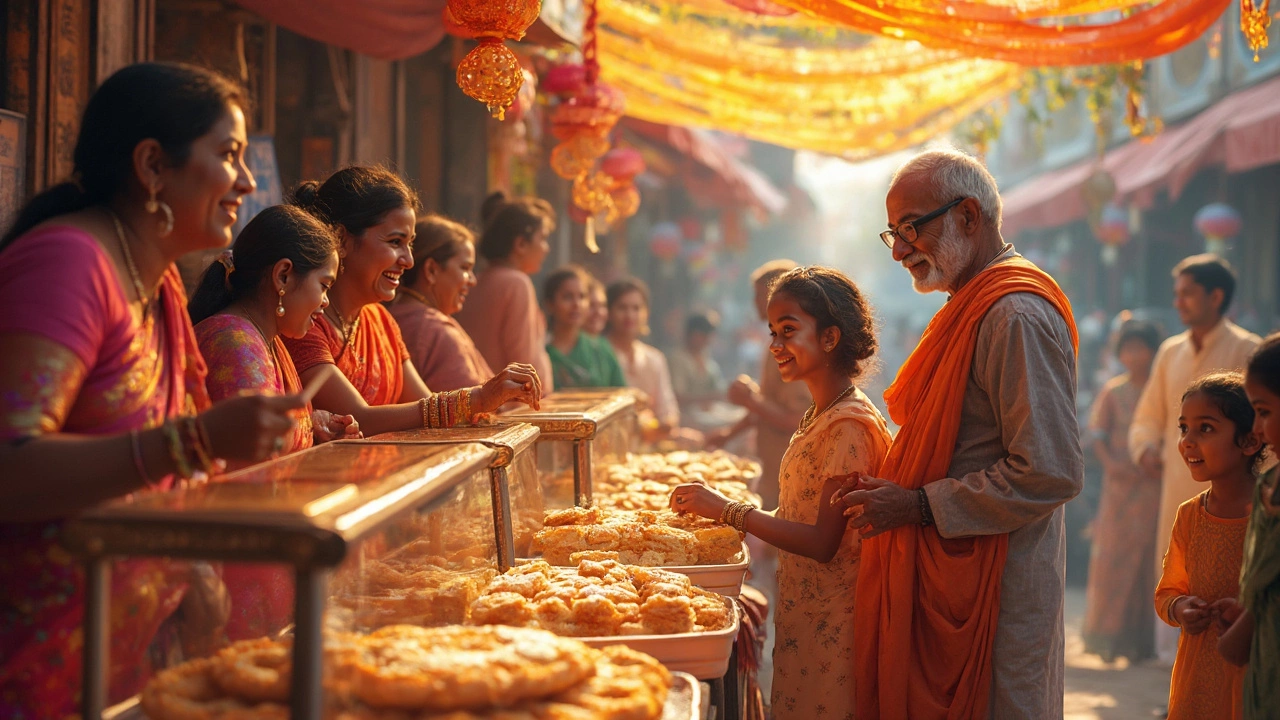
Which Race Consumes the Most Sugar? A Look Through the Lens of Indian Sweets
Ever wondered which part of the world really tops the list when it comes to sugar intake? This article zeroes in on global sugar habits, comparing data across groups, with a special spotlight on India and its deep love for sweet treats. Discover not just the numbers but also how Indian desserts fit into the bigger sugar picture. You'll find out what makes Indian sweets unique, why sugar holds such a big place in daily life, and smart ways to enjoy these treats without going overboard.
Read More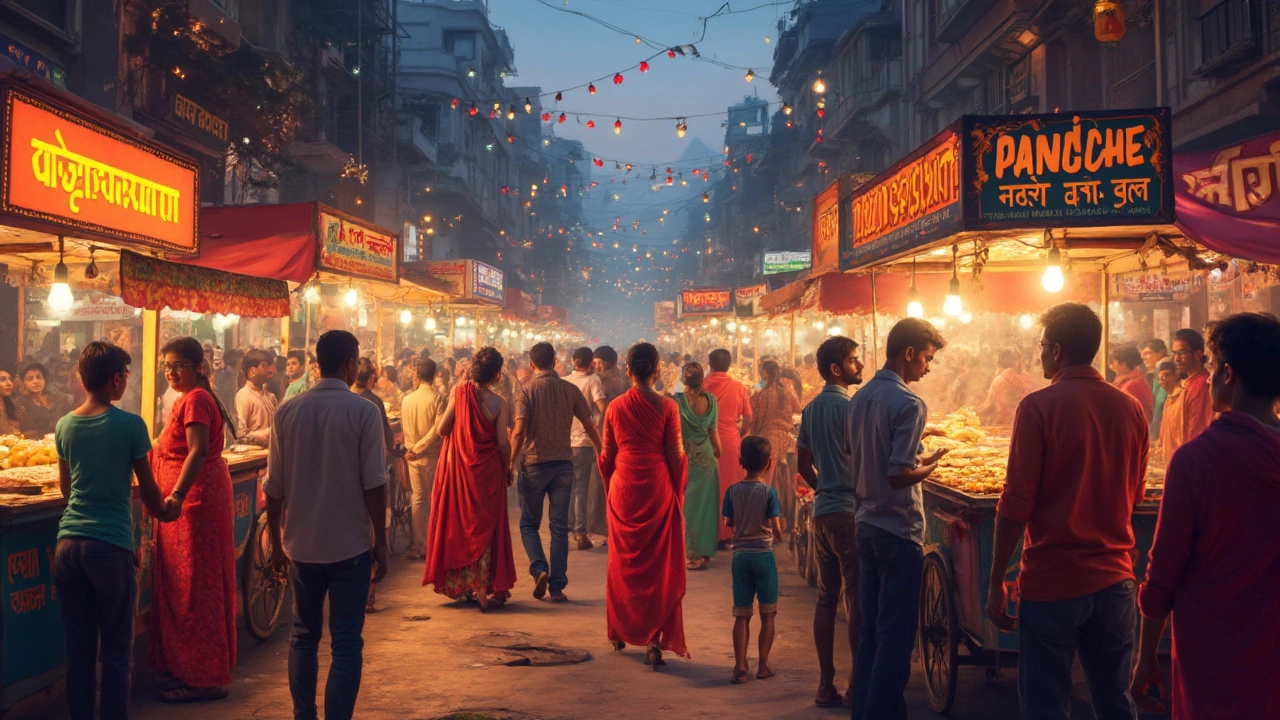
Junk Food in India: How Popular Is It Actually?
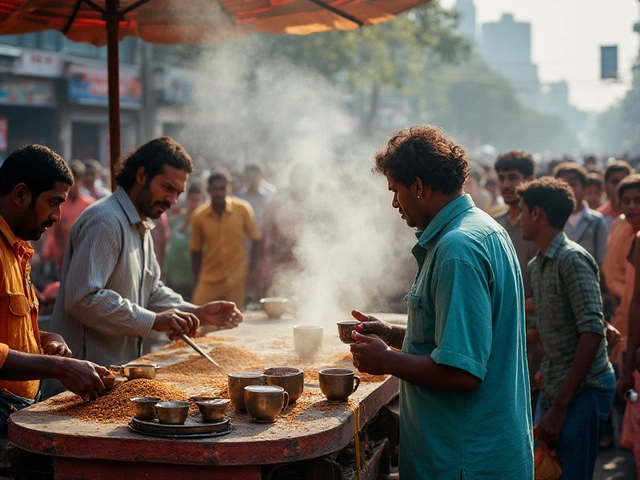
Junk food sells like crazy on Indian streets, from spicy pani puri to cheesy burgers. The love for street snacks cuts across cities, small towns, and even villages. What makes these foods so popular? This article looks at why junk food is everywhere in India, what people love to eat, where trends are heading, and a few tips for enjoying street food smartly. If you're planning to munch your way through India or just curious about the hype, here's what you need to know.
Read More