Dosa Tips: Perfect Crispy Dosa Every Time with Proven Techniques
When you think of dosa, a thin, fermented rice and lentil crepe from South India, often served with chutney and sambar. Also known as Indian crepe, it's one of the most loved breakfasts across the country and beyond. But getting it right—crispy on the outside, soft inside, evenly cooked—takes more than just following a recipe. It’s about understanding the batter, the heat, and the little habits that make all the difference.
The secret to a great dosa starts with the batter, a mixture of soaked rice and urad dal, ground and left to ferment overnight. Also known as dosa batter, it needs time, warmth, and patience. If your batter doesn’t rise, your dosa won’t spread right or crisp up. Most people skip the fermentation step or rush it by leaving the batter in a cold kitchen. That’s why their dosas turn out thick and chewy. Fermentation isn’t optional—it’s what gives dosa its lightness and subtle tang. Then there’s the pan, the flat griddle or tawa where the magic happens. Also known as tawa, it must be properly heated—not too hot, not too cold. A water droplet should dance, not sizzle and vanish instantly. Too hot, and the dosa burns before it spreads. Too cool, and it sticks and turns rubbery. A few drops of oil around the edges help it crisp up without making it greasy. And don’t pour the batter in the center and try to spread it like a pancake. Start from the outside and move inward in a circular motion—this gives you that paper-thin, lacy edge everyone loves.
People often blame the recipe when their dosa fails, but 90% of the time, it’s the technique. Did you grind the batter fine enough? Was the rice soaked for at least 6 hours? Did you let the batter rest in a warm spot? These aren’t just steps—they’re the foundation. Even the type of rice matters. Parboiled idli rice works best. Regular long-grain rice? It won’t give you the same texture. And don’t forget the salt—add it after fermentation, not before. It slows down the yeast.
What you’ll find in the posts below aren’t just recipes. They’re real fixes from home cooks who’ve been there—batter that won’t ferment, dosas that stick, flames that flare up too high. You’ll learn how to fix sour batter, how to store it for later use, why some cooks add fenugreek seeds, and how to make dosa without a tawa if you don’t have one. These aren’t theory tips. They’re the kind of advice you hear from your auntie in Kerala or your neighbor in Bangalore. The kind that turns a good dosa into a great one.
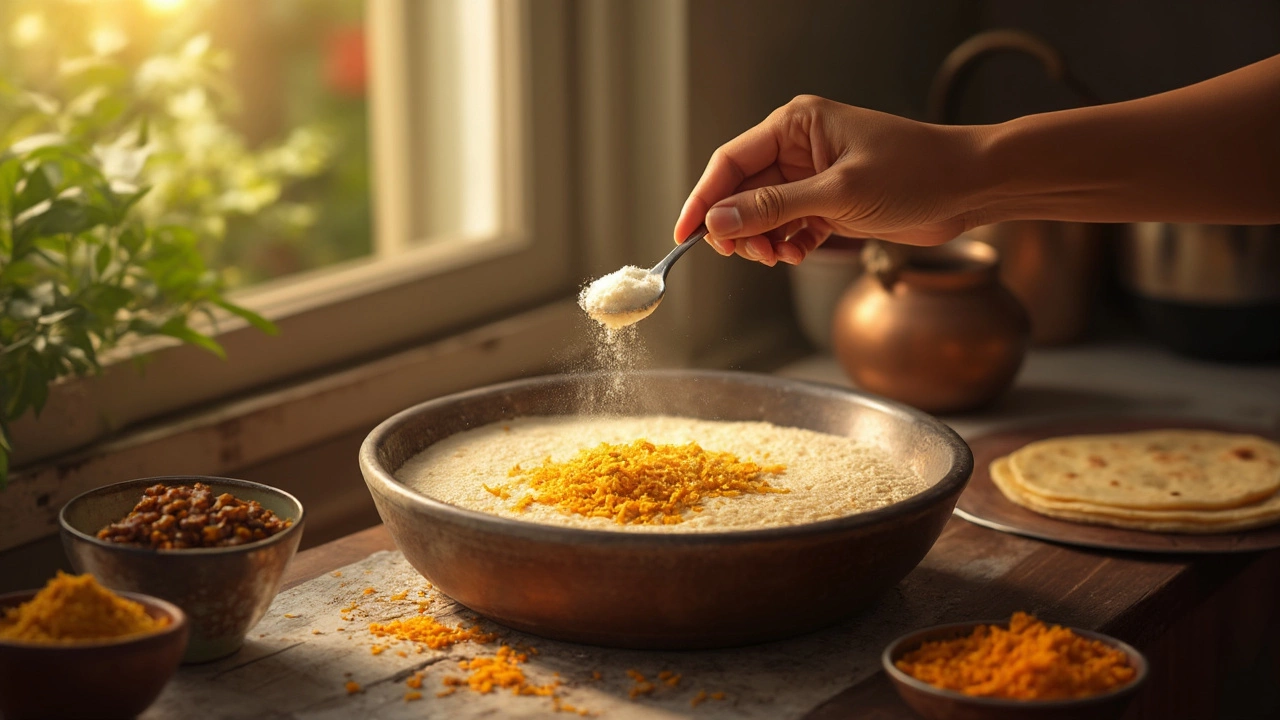
Why Add Soda to Dosa Batter? The Science Behind Fluffier Dosas
Wondering why some dosa batters call for soda? This article breaks down how adding soda changes the texture, look, and taste of dosas. You'll get practical tips, common mistakes to avoid, and ideas for better results in your kitchen. Even if you're new to dosa-making, you'll learn exactly when (and when not) to reach for the soda. It's all about taking the guesswork out of crispy, golden dosas at home.
Read More