Dosa Batter Rice: What It Is, Why It Matters, and How to Get It Right
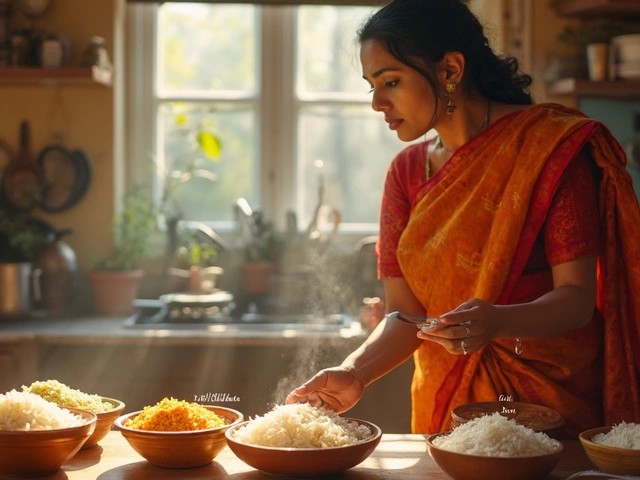
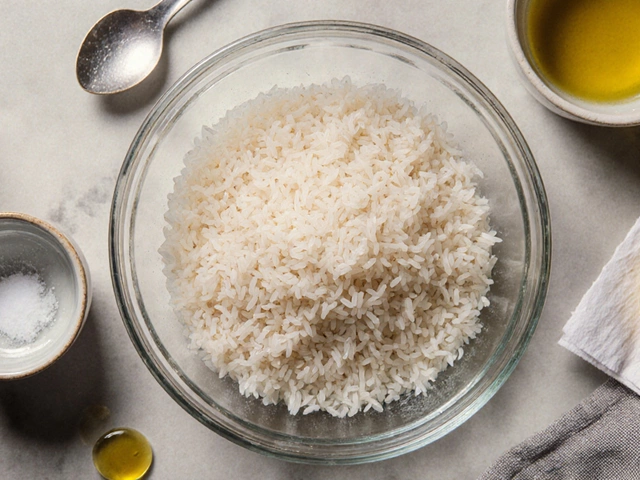
When you make dosa batter rice, the specific variety of rice used to create the fermented batter for South Indian dosas. Also known as idli rice, it's not just any rice—it's a short-grain, low-starch variety that breaks down just right during soaking and grinding to give you that perfect airy, crisp texture. Most people grab whatever rice is in the pantry, but that’s why their dosas turn out gummy or flat. The right rice doesn’t just make a difference—it makes the dish.
Dosa batter rice works because of its chemistry. It absorbs water slowly, holds its structure during grinding, and feeds the natural bacteria that ferment the batter. That fermentation? That’s what turns plain rice and urad dal into something bubbly, tangy, and light. You can’t fake it with long-grain basmati or sticky jasmine rice—they don’t break down the same way. And if you’ve ever tried to use regular white rice, you know it doesn’t puff up like it should. The science is simple: low amylose, high moisture retention, and fine grain size. That’s the trio that makes dosa batter work.
It’s not just about the rice, though. The urad dal, the black lentil ground with rice to create the batter’s lift and protein structure is the other half of the equation. You need about 1 part urad dal to 3 parts dosa batter rice. Too much dal? Your dosa sticks. Too little? It crumbles. And the fermentation, the natural process where wild yeast and lactic acid bacteria transform the batter overnight—that’s where flavor and texture are born. Temperature matters. Time matters. Even the water you use matters. A cool kitchen in winter? You’ll need 12 hours. A hot summer day? 6 hours might be enough.
People think dosa is just a snack. But it’s a ritual. From the soaking to the grinding to the waiting, it’s slow cooking at its best. And when you get it right—the batter smooth, the smell slightly sour, the bubbles rising like tiny champagne bubbles—you know you’ve made something real. That’s why the best dosas come from people who respect the rice. Not the fancy spice blends, not the expensive tawa. Just the right rice, treated right.
Below, you’ll find real recipes and tips from people who’ve cracked the code. No fluff. No guesswork. Just what works—whether you’re making your first dosa or you’ve been at it for years. You’ll see how different rice types affect texture, why some people soak their rice overnight while others skip it, and how to fix a batter that didn’t rise. This isn’t theory. It’s what cooks in Tamil Nadu, Karnataka, and homes across India actually do.
Best Rice for Dosa Batter in the USA: The Ultimate Guide for Authentic Results
Struggling with dosa batter in the USA? Discover the best rice types, tips for crispiness, and how to substitute with local grains for fail-proof dosas every time.
Read More