Does Dosa Spike Blood Sugar? Truth About This Indian Staple
When you eat a crispy, golden dosa, a thin, fermented crepe made from rice and lentils, popular across South India. Also known as dosai, it's a breakfast staple that’s light, crunchy, and packed with flavor—but does it send your blood sugar soaring? The answer isn’t yes or no. It depends on what’s in it, how it’s made, and what you eat with it.
Dosa gets its base from rice and urad dal (black gram), both of which ferment overnight. That fermentation isn’t just for taste—it changes the starch structure, making it easier to digest and lowering its glycemic impact compared to plain white rice. Studies show fermented foods like dosa have a lower glycemic index than their unfermented counterparts. But here’s the catch: if your dosa is made with refined white rice flour, loaded with oil, or served with sugary chutneys, it can still spike your blood sugar fast. The real issue isn’t dosa itself—it’s how it’s prepared and paired.
Not all dals are equal either. urad dal, a split black lentil used in dosa batter. Also known as black gram, it’s rich in protein and fiber, which helps slow sugar absorption. If your batter uses more urad dal than rice, the impact on blood sugar drops significantly. Some home cooks even swap half the rice for oats, millet, or quinoa to boost fiber and cut the carb load. And don’t forget the chutney—coconut or tomato chutney without added sugar won’t hurt, but sweet tamarind or mango chutney? That’s where the sugar sneaks in.
Pairing matters too. Eating dosa with a side of sambar, a lentil-based vegetable stew seasoned with tamarind and spices. Also known as sambar curry, it adds fiber, protein, and slow-digesting carbs that balance out the meal. A simple dosa with sambar and plain yogurt is a far better choice than one with potato masala and sweet chutney. Even the cooking method counts—tawa-cooked dosa with minimal oil is better than deep-fried versions.
People with diabetes or prediabetes don’t need to avoid dosa. They just need to make smarter choices. Use brown rice or millet. Increase the dal ratio. Skip the extra oil. Watch the chutney. These aren’t fancy hacks—they’re simple, traditional tweaks that have been used in Indian kitchens for generations. The same dosa that fuels a student in Chennai can also be a blood-sugar-friendly meal if you tweak the recipe just a bit.
Below, you’ll find real posts that dig into exactly this: how dosa fits into a healthy diet, which dals are best for stable energy, what Indian breakfasts actually keep blood sugar steady, and how to make your favorite dishes work for your health—without giving up flavor or tradition.
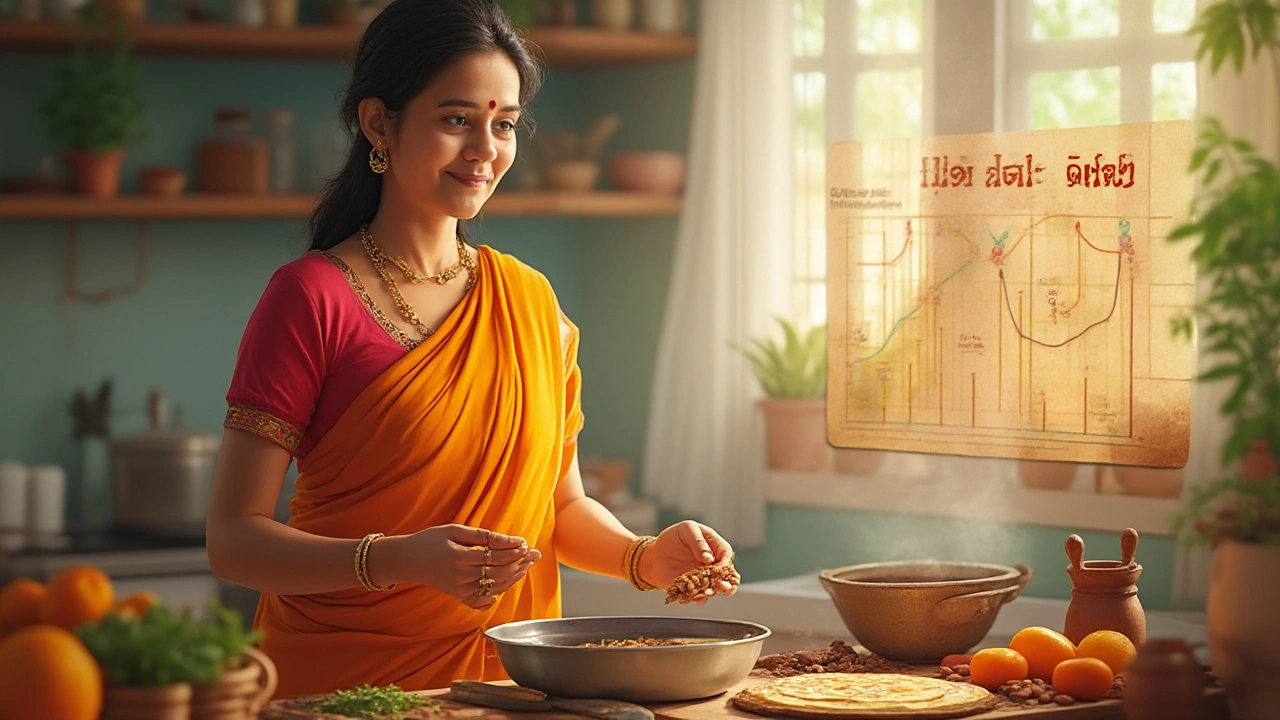
Does Dosa Spike Blood Sugar? Truth About Dosa’s Glycemic Impact
Wondering if dosas spike your blood sugar? Get real facts on dosa’s glycemic index, health impact, tips for diabetics, and ways to make your dosa healthier.
Read More