Differences in Indian Food: Key Variations You Need to Know
When people ask differences, the real contrasts in how Indian food is made, eaten, and understood across regions and cultures. Also known as regional culinary variations, these differences aren’t just about spice levels—they shape what you eat every day. Take dal, a basic Indian dish made from split lentils or legumes, cooked with turmeric, cumin, and garlic. Also known as lentil stew, it’s called "lentils" in the U.S., but that’s not quite right—dal includes chana, toor, masoor, and more, each with its own texture and cooking time. Mixing them up can ruin a recipe. And if you’ve ever wondered why your paneer turns rubbery or smells off after a few days, that’s another difference, how homemade paneer behaves versus store-bought, and why freshness matters more than expiration dates. Also known as dairy spoilage in Indian cooking, it’s not about how long it’s been sitting—it’s about how it was made and stored.
Then there’s breakfast. In Tamil Nadu, it’s idli and sambar. In Punjab, it’s paratha with butter and curd. In Maharashtra, it’s vada pav with spicy chutney. These aren’t just preferences—they’re cultural identities baked into morning meals. Indian breakfasts, region-specific morning meals built around fermented grains, whole lentils, and minimal oil. Also known as traditional Indian morning foods, they’re some of the healthiest in the world because they’re designed for energy, not sugar spikes. Compare that to the sweeteners used in Indian sweets—jaggery isn’t just brown sugar. It’s unrefined cane juice with minerals, while khoya is milk solids reduced for hours. These aren’t interchangeable. Using white sugar instead changes the flavor, texture, and even how your body reacts to it. And when people say "Indian food is unhealthy," they’re ignoring these nuances. The real difference lies in how you cook it—not the ingredients themselves.
You’ll find posts here that cut through the noise. Why does coconut milk curdle in your curry? How do you tell if eggs are okay for a Hindu diet? What’s the truth about eating 7-day-old paneer? These aren’t random questions—they’re everyday struggles for home cooks trying to get Indian food right. You’ll learn the difference between chutney and salsa, why soaking basmati rice matters, and which dal gives you the most protein. No fluff. No guesswork. Just clear, practical answers that help you cook better, eat smarter, and understand why Indian food isn’t one thing—it’s dozens of things, shaped by region, tradition, and simple science.
Naan vs Roti: What's the Real Difference?
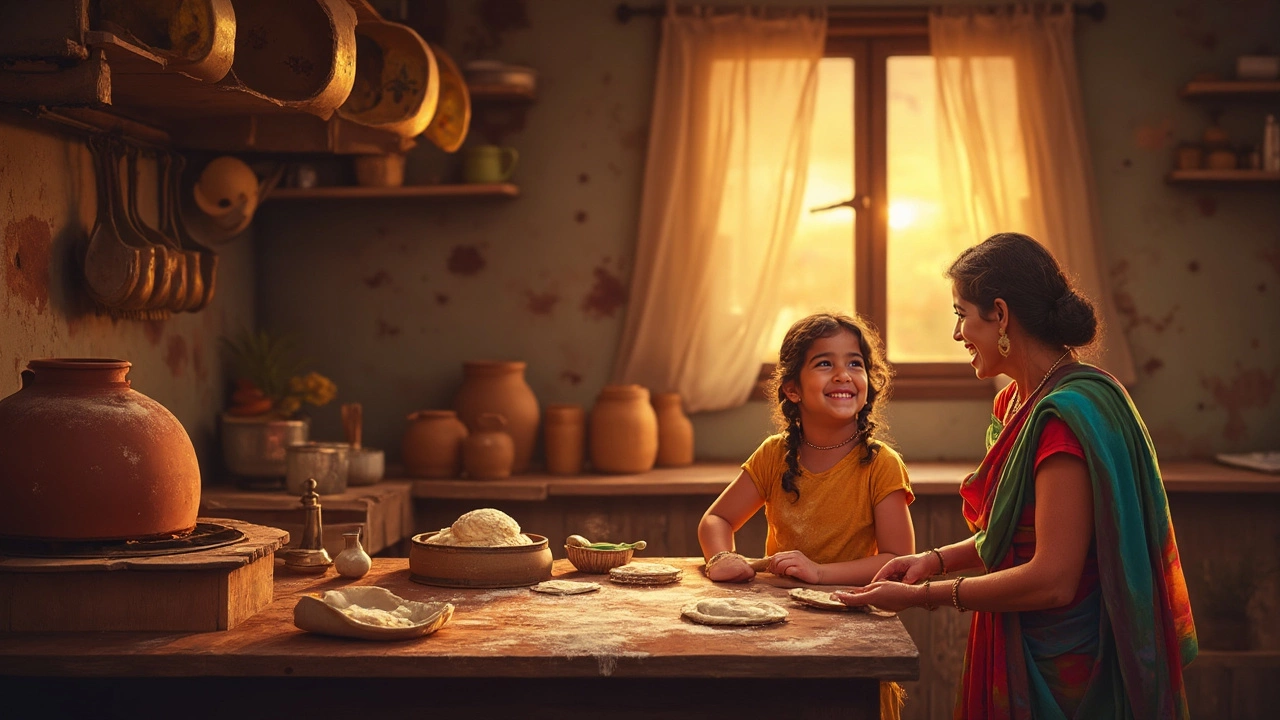
Wondering whether to make naan or roti tonight? This article breaks down everything you need to know about the two classic Indian breads. You'll find out what sets them apart—from ingredients to cooking styles—and get a few handy tips for making both at home. We'll even squash a few common myths about roti and naan. Stick around and take your homemade bread game to the next level.
Read More