Dal Nutrition Guide: Protein, Fiber, and Health Benefits of Indian Lentils
When you think of dal, a simple, spiced stew made from split lentils or legumes, central to daily meals across India. Also known as lentils, it’s not just comfort food—it’s one of the most nutrient-dense foods on the planet. Dal isn’t fancy. It doesn’t need fancy ingredients. But what it lacks in flash, it makes up for in power: high protein, slow-digesting fiber, iron, folate, and magnesium—all in a bowl that costs less than a coffee.
What makes dal stand out? It’s the combo. A cup of cooked red lentils gives you nearly 18 grams of plant-based protein—close to an egg, but without cholesterol. And while meat gives you protein fast, dal gives you protein that lasts. The fiber slows digestion, keeping blood sugar steady and hunger away for hours. That’s why millions in India eat dal twice a day, even when money’s tight. It’s not tradition—it’s science. And it’s not just for vegetarians. Athletes, diabetics, and people trying to lose weight all turn to dal because it works.
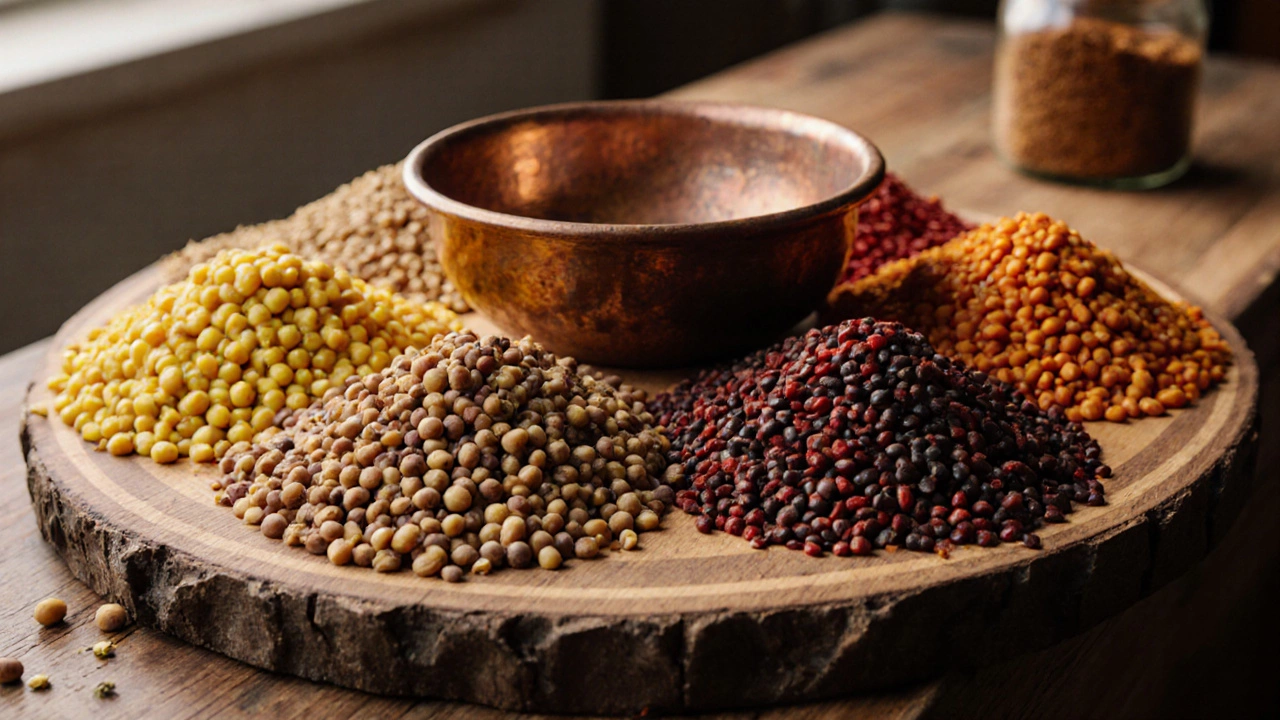
Not all dal is the same. toor dal, split pigeon peas, the most common type in South India is high in folate—great for pregnant women. masoor dal, red lentils, easy to digest and rich in antioxidants, is perfect for kids and seniors. chana dal, split chickpeas, crunchy when fried, packed with zinc and iron keeps your immune system strong. Each type has its own profile, but they all share one thing: they’re cheap, shelf-stable, and cook fast. No supplements needed.
People ask, "Is dal enough protein?" Yes—if you pair it right. Eat it with rice, and you get complete protein. Add a splash of lemon, and your body absorbs the iron better. Skip the deep-fried garnishes, and you keep it healthy. This isn’t about perfection. It’s about consistency. The people who eat dal daily don’t track macros. They just eat. And they stay strong.
There’s a reason Indian hospitals serve dal to recovering patients. It’s gentle on the stomach, easy to digest, and rebuilds strength without strain. Even in the U.S., doctors are starting to recommend it for heart health and diabetes management. You don’t need a diet plan to benefit from dal. You just need to cook it right—and know what you’re eating.
Below, you’ll find real answers to the questions people actually ask: What’s the English name for dal? Can you eat it every day? How does it compare to meat? Why do some people avoid it? And what’s the best way to make it taste good without losing its nutrition? These aren’t theory pieces. They’re practical guides from home cooks who’ve been doing this for generations.
Which Dal Is Healthiest? Find the Most Nutritious Choices
Discover which dal offers the most protein, fiber, iron and lowest glycemic index. Compare five popular dals and get simple cooking tips for maximum nutrition.
Read More