Dal Meaning: What Is Dal and Why It’s the Heart of Indian Meals
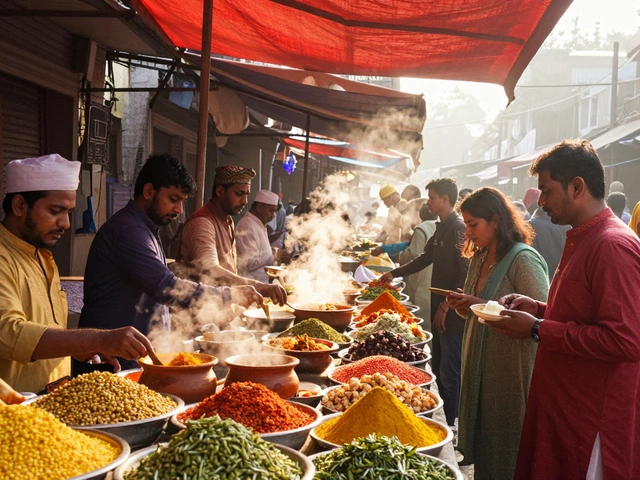
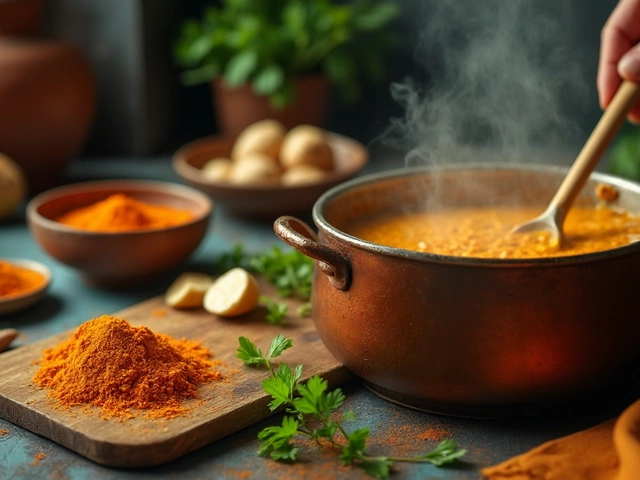
When you hear dal, a staple dish made from dried lentils, peas, or beans, commonly cooked with spices and served with rice or bread. Also known as dhal, it’s not just food—it’s the foundation of meals across India, eaten by millions every single day. Forget the idea that it’s just ‘lentil soup.’ Dal is a whole category of dishes, each with its own texture, flavor, and regional twist. Whether it’s yellow toor dal in Tamil Nadu, red masoor dal in Punjab, or black urad dal in Bengal, the base is always the same: legumes transformed by heat, spice, and time into something comforting and nourishing.
Dal isn’t just about taste—it’s about balance. It’s often paired with rice to make a complete protein, or served with roti to soak up every last drop. You’ll find it in homes, roadside stalls, and even fancy restaurants. It’s cheap, it’s filling, and it’s packed with protein, fiber, and iron. That’s why it’s one of the most studied foods in Indian nutrition. People who eat dal regularly have better digestion, more stable blood sugar, and often eat less meat. And yes, it’s becoming popular in the USA too—not as a novelty, but as a real, practical way to eat well without spending a lot.
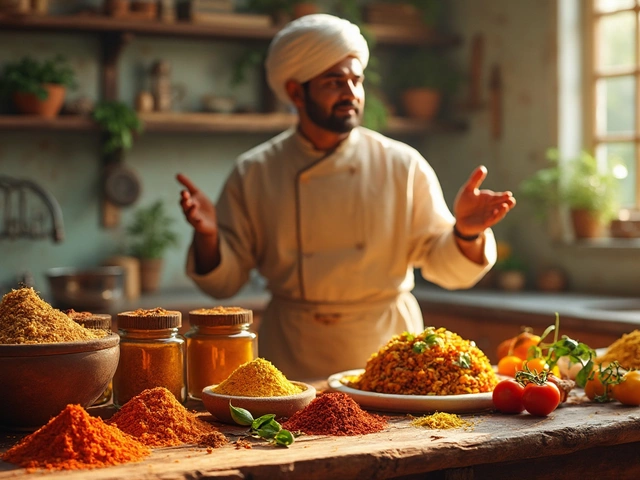
What makes dal so flexible? It’s the spices. A pinch of hing, a toast of cumin, a swirl of ghee—these aren’t just flavor boosts, they’re traditional science. Hing, for example, helps digest lentils and reduces bloating. Ghee adds fat-soluble vitamins and carries flavor deep into the dal. That’s why the same dal can taste completely different in Gujarat versus Bihar. It’s not just a recipe—it’s a cultural fingerprint.
You’ll also find dal in health-focused diets. People cutting sugar, managing weight, or avoiding processed foods turn to dal because it’s naturally low-glycemic and high in fiber. It’s the secret behind many of India’s healthiest meals—from simple khichdi to protein-rich chole. And if you’ve ever wondered which dal is the healthiest, you’re not alone. Studies and home cooks alike point to moong dal and masoor dal for their clean nutrient profiles and easy digestibility.
Below, you’ll find real posts from real cooks—people who’ve cracked the code on making dal taste amazing, storing it right, pairing it perfectly, and even using it in new ways. Whether you’re new to Indian food or you’ve been eating it for years, there’s something here that will change how you see this humble dish. No fluff. No guesswork. Just what works.
What Is the English Version of Dal? Simple Answers for Home Cooks
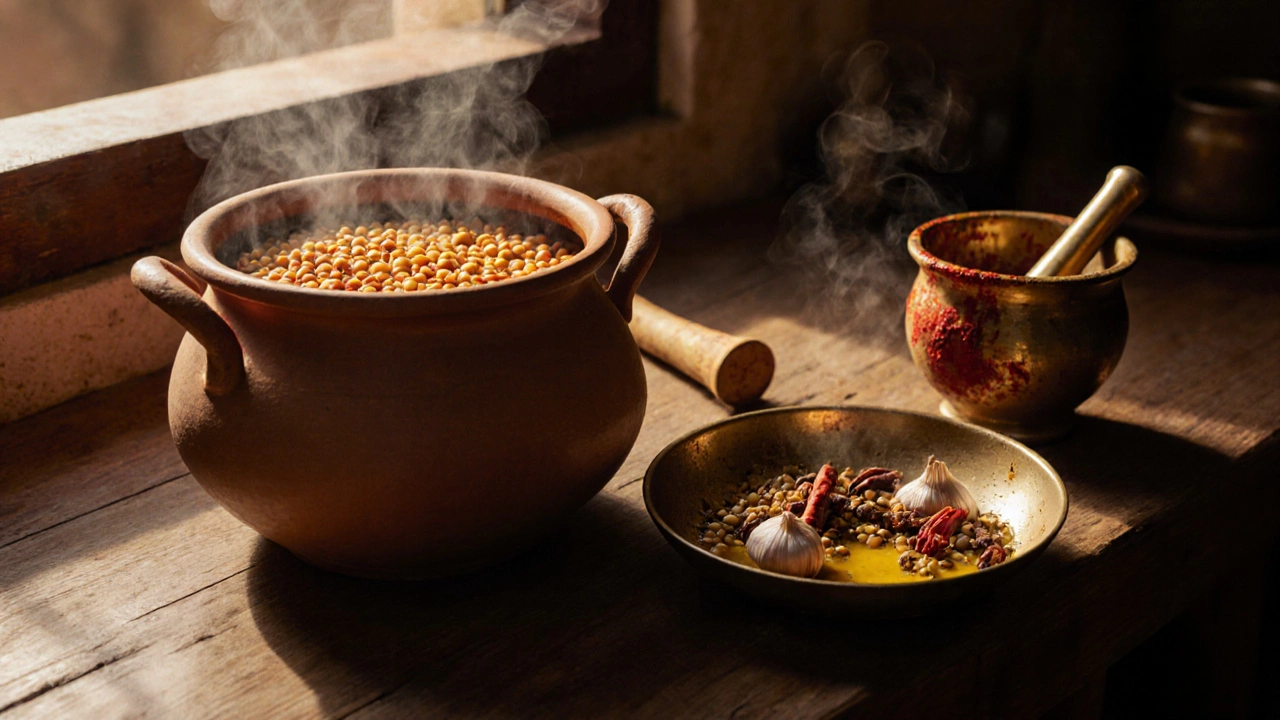
Dal is the Indian term for split lentils cooked into a simple, spiced stew. While often called 'lentils' in English, dal includes several types of legumes and is a daily staple across South Asia.
Read More