Cooking Oil: Types, Uses, and Best Choices for Indian Kitchens
When you think of cooking oil, a fat used to fry, sauté, or flavor food in Indian households. Also known as cooking fat, it’s the silent backbone of every curry, dal, and snack you make at home. It’s not just about flavor—it affects texture, nutrition, and even how long your food stays fresh. In Indian kitchens, the choice of oil isn’t random. It’s passed down through generations, tied to region, season, and health beliefs. From the pungent bite of mustard oil, a strong-flavored oil widely used in North and East Indian cooking to the sweet richness of coconut oil, a staple in South Indian frying and sweets, each oil brings something different to the table.
Not all oils are created equal. What works for tempering spices won’t work for deep-frying samosas. Cooking oil needs to handle heat without smoking, hold flavor without turning rancid, and ideally, offer some health benefits too. Many people still use ghee, but if you’re looking for plant-based options, you’ve got choices: peanut oil for its neutral taste, sunflower oil for lightness, rice bran oil for high smoke points, and sesame oil for that earthy kick in chutneys and pickles. Then there’s the debate: is refined oil better than cold-pressed? Does mustard oil really need to be heated to remove its sharpness? These aren’t just kitchen myths—they’re practical decisions that change how your food tastes and how your body responds to it.
Indian recipes don’t just call for oil—they rely on it. The sizzle of cumin in hot oil is the first step in most dals and curries. The crispness of a fried pakora comes down to oil temperature. Even paneer, as you’ll see in some of the posts below, needs the right oil to hold its shape without sticking. And let’s not forget sweets: jalebis soak in oil, laddus are bound with it, and some traditional halwas need coconut oil to get that authentic texture. It’s not just fuel—it’s flavor, function, and tradition rolled into one.
What you’ll find in the posts below aren’t just recipes—they’re real-life lessons on how oil shapes Indian cooking. You’ll learn why some oils are better for weight loss, which ones last longer in storage, how to tell if your oil has gone bad, and why your grandma swore by mustard oil even when everyone else switched to sunflower. Whether you’re frying, roasting, or just tempering spices, the right oil makes all the difference. No guesswork. No fluff. Just what works in real Indian kitchens.
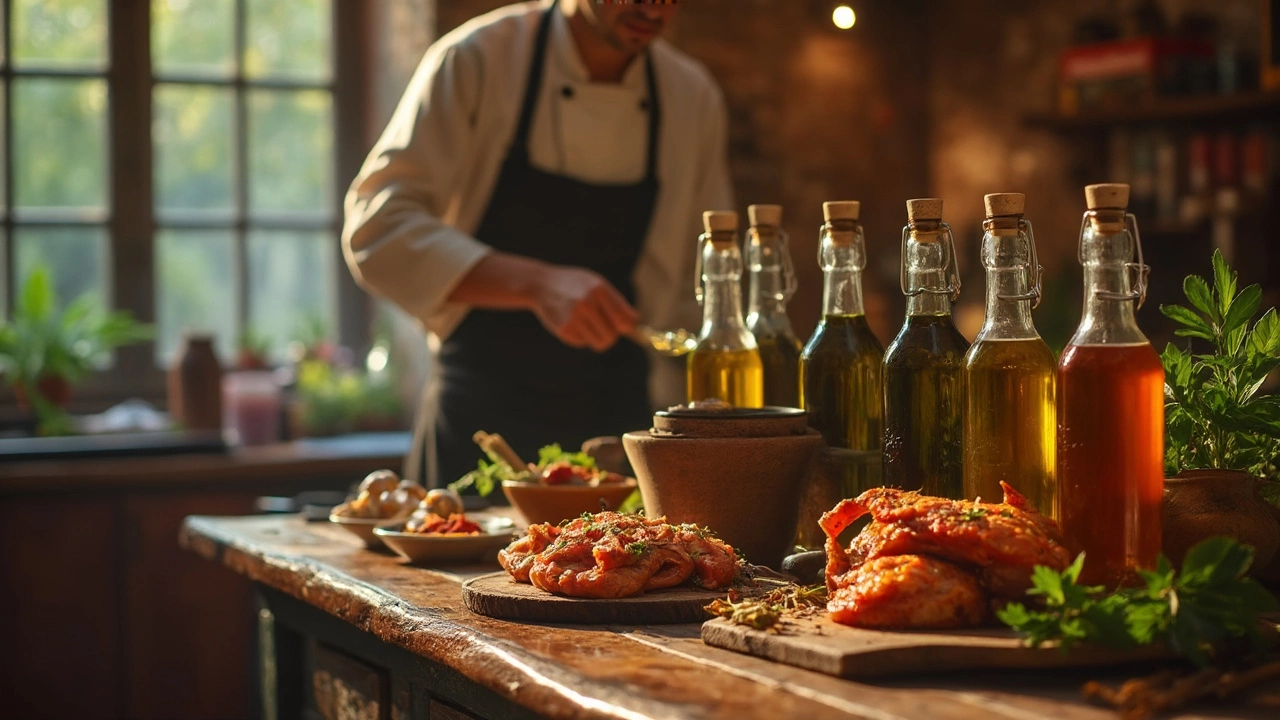
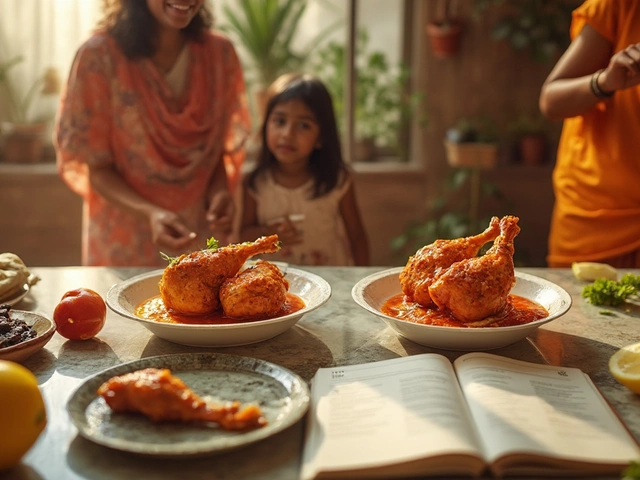
Which Oil Is Best for Tandoori Chicken? Your Guide to Nailing It
Picking the right oil can make or break your tandoori chicken. This guide covers the reasons why oil matters, compares popular choices, and explains how each affects taste and texture. Find tips on choosing healthy options and answers to the most common mistakes. By the end, you'll know exactly which oil works best for tandoori chicken and how to use it for mouthwatering results.
Read More