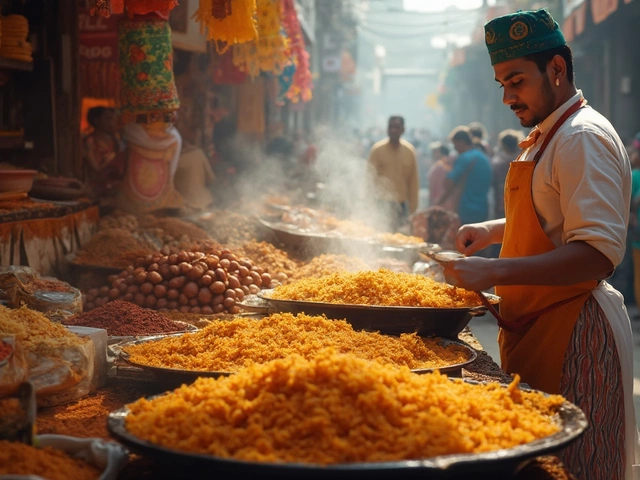
Cooking Disadvantages: Real Risks of Indian Home Cooking You Need to Know
When you cook Indian food at home, you're doing more than heating ingredients—you're shaping your family's health. But not all cooking methods are created equal. Cooking disadvantages, the hidden downsides of how we prepare food daily. Also known as unhealthy cooking practices, these aren’t about skipping spices—they’re about how heat, time, and technique can strip nutrients, create harmful compounds, or even make food unsafe. For example, frying paneer until it’s crispy might taste great, but it turns a protein-rich ingredient into a fat-heavy one. Or boiling dal for too long? That’s not tradition—it’s slowly draining out the iron and protein your body needs.
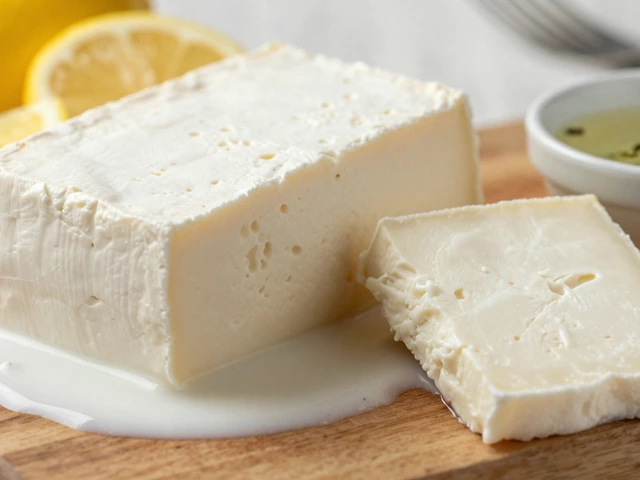
Many Indian kitchens rely on deep-frying, overcooking, or reusing oil—all common practices with real consequences. Nutrient loss in food, how heat and water destroy vitamins and minerals during cooking is a silent problem. Studies show boiling spinach for 10 minutes can wipe out 70% of its folate. Same goes for lentils: simmering them for hours may make them soft, but it also kills the B vitamins that help your energy levels. Then there’s food safety in Indian kitchens, how improper storage or reheating leads to bacterial growth. That leftover curry sitting out for 8 hours? It’s not just old—it’s risky. Paneer left past five days? Even if it doesn’t smell bad, it’s growing invisible bacteria. And reusing oil for frying? That’s how you get acrylamide, a compound linked to long-term health issues.
You don’t need to stop cooking Indian food—you need to cook it smarter. The posts below show you exactly where things go wrong in everyday meals: from how long you boil your dal, to why that crispy samosa might be doing more harm than good, to the real truth about storing spices and dairy. You’ll see how traditional methods can be tweaked without losing flavor, how to preserve nutrients while keeping meals tasty, and how to avoid the hidden dangers hiding in your kitchen. This isn’t about fear—it’s about control. You’re not giving up your favorite dishes. You’re making them safer, healthier, and more powerful for your body.
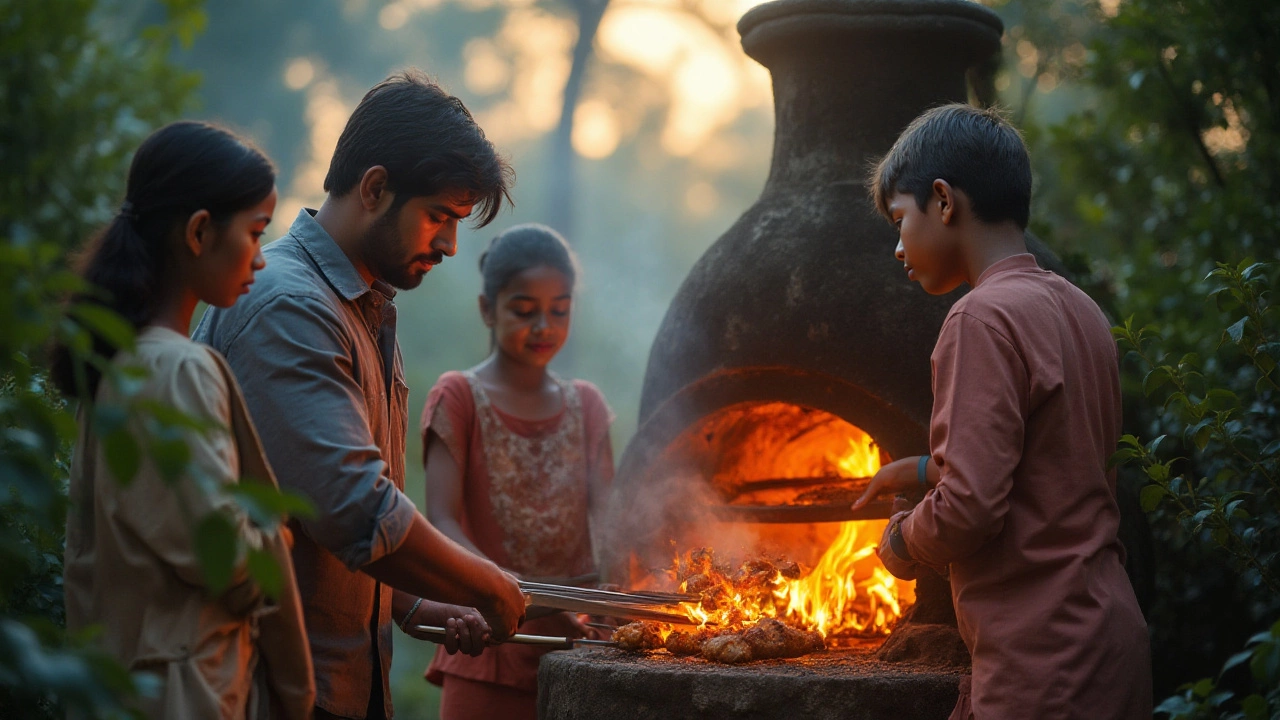
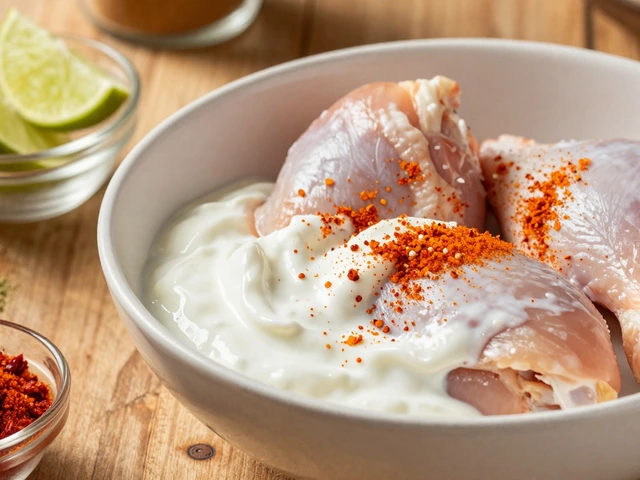
Exploring the Drawbacks of Tandoori Cooking and Its Impact on Tandoori Chicken
Tandoori cooking, celebrated for its smoky flavors and vibrant spices, is not without its challenges. This article delves into the disadvantages associated with this traditional method, including health concerns and environmental impacts. It also addresses the practical difficulties of implementing tandoori techniques at home. Readers will gain insights into balancing tradition with modern dietary needs and the importance of sustainable cooking practices.
Read More