Chicken Safety: How to Handle, Store, and Cook Chicken Without Risk
When you bring home raw chicken, a perishable protein that can carry harmful bacteria like Salmonella and Campylobacter. It's not just about cooking it right—it's about what you do before it ever hits the pan. Many people think if the chicken smells fine or looks fresh, it’s safe. But that’s not how foodborne illness works. You can’t see, smell, or taste the bacteria that make people sick. The real danger isn’t the chicken itself—it’s how it’s handled.
Chicken storage, how you keep it in the fridge or freezer before cooking matters just as much as cooking time. The USDA says raw chicken lasts only 1-2 days in the fridge. After that, even if it doesn’t look spoiled, bacteria can multiply fast. Freezing stops growth, but doesn’t kill germs. And never wash chicken before cooking—that just spreads bacteria around your sink, counters, and utensils. A simple rinse does nothing but create a mess. Instead, pat it dry with paper towels and throw them away right away.
Cooking chicken safely, reaching the right internal temperature is the only way to kill dangerous pathogens. You don’t need to guess by color or texture. A meat thermometer is your best friend. Chicken is safe when it hits 165°F (74°C) in the thickest part, not near the bone. That’s true for breasts, thighs, wings, or whole birds. If you’re making curry, stir-fry, or grilled chicken, check the temp before you serve it. And don’t let cooked chicken sit out for more than two hours—especially in warm weather. Leftovers? Put them in the fridge within 90 minutes.
People often ask, "What if I cook it longer? Won’t that kill everything?" Yes, heat kills bacteria—but it doesn’t undo cross-contamination. If your cutting board, knife, or hands touched raw chicken and then touched salad or bread, you’ve already contaminated those foods. That’s why cleaning matters. Wash hands with soap for 20 seconds after handling chicken. Sanitize surfaces with hot, soapy water or a bleach solution. Use separate cutting boards for meat and veggies. These aren’t fancy rules—they’re basic survival steps for any kitchen.
You’ll find posts here that talk about chicken curry flavor, coconut milk in sauces, or how to make perfect biryani. But none of that matters if the chicken you start with was mishandled. Great taste means nothing if you end up sick. These articles assume you know how to keep your kitchen safe. This page fills that gap. You’ll learn exactly what to do before, during, and after cooking chicken—not just to make it tasty, but to keep you and your family healthy.
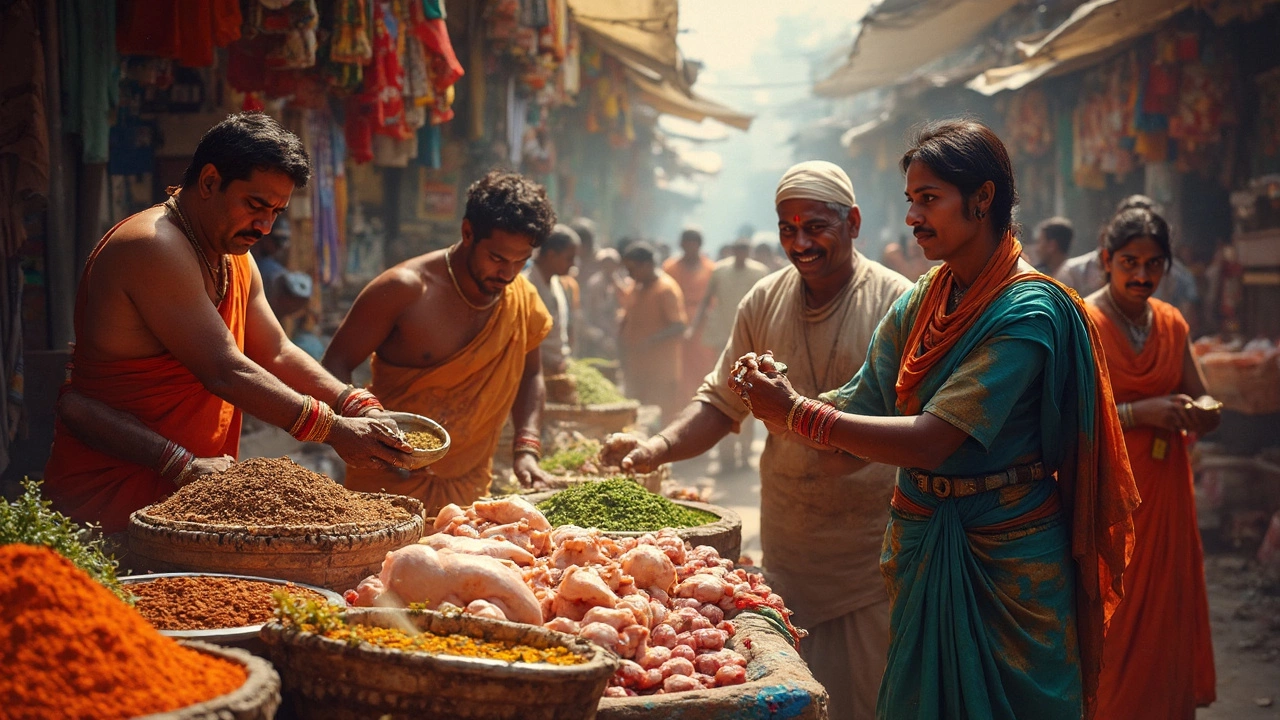
Is Chicken Safe to Eat in India? A Practical Guide
Chicken is a common ingredient in Indian cuisine, but questions about its safety often arise. In India, it's crucial to be informed about chicken sourcing and handling to enjoy it without health risks. From understanding local regulations to picking the freshest meat, there are several ways to ensure your chicken dishes are safe to eat. This guide provides easy tips and tricks to make sure your chicken meals are not only delicious but healthy too.
Read More