Biryani Rice Soaking Time: Why It Matters and How to Get It Right
When you're making biryani rice soaking time, the duration you let basmati rice sit in water before cooking. It's not just a step you skip because you're in a hurry—it's what turns good biryani into great biryani. Soaking isn't magic, but it is science. Dry rice grains are tight and hard. When you soak them, they absorb water slowly, which lets them cook evenly later. If you skip this, the outside turns mushy while the inside stays chalky. That’s why professional cooks and grandmas alike never skip it.
Basmati rice, a long-grain aromatic rice native to India and Pakistan. Also known as Indian long-grain rice, it's the only rice that gives biryani its signature fluffiness and fragrance. You don’t soak jasmine rice or short-grain rice the same way. Basmati needs 30 minutes to an hour in cool water. Some swear by 2 hours, especially if the rice is old or stored in dry climates. But 30 minutes is the sweet spot for most home cooks. Don’t soak it overnight—that’s overkill and will make your biryani fall apart. You want the grains to swell slightly, not turn to paste.
What happens if you don’t soak it? Your rice cooks unevenly. The bottom layer burns. The top layer stays crunchy. And when you mix in the spiced meat or veggies, the texture breaks. You lose that clean separation of grains that makes biryani feel luxurious. Even if you par-boil the rice afterward, skipping the soak means you’re fighting against the grain’s natural structure. It’s like trying to bake bread without letting the dough rise.
And it’s not just about texture. Soaking helps reduce arsenic levels slightly and makes the rice easier to digest. That’s why people in regions where biryani is daily food—like Hyderabad or Lucknow—never skip this step. It’s part of the rhythm of cooking, like letting onions caramelize slowly or toasting spices before adding liquid.
Here’s the trick: Use enough water to cover the rice by about an inch. Add a pinch of salt. Let it sit uncovered on the counter. No need to refrigerate. After 30 minutes, drain it well. Don’t rinse it again—that washes away the starch that helps the grains cling just enough to hold the masala. Then, move straight to par-boiling.
Some recipes say to soak rice for 2 hours. That’s fine if you’ve got the time. But if you’re cooking dinner tonight and forgot to soak it? Don’t panic. Just run cold water over the rice for 2 minutes, then let it sit for 15. It won’t be perfect, but it’ll be better than nothing. The goal isn’t perfection—it’s consistency. Get the soaking time right, and your biryani will taste like it came from a kitchen that knows what they’re doing.
Below, you’ll find real tips from cooks who’ve made hundreds of biryanis—some with chicken, some with lamb, some vegetarian. You’ll see how soaking time affects texture, how water temperature changes the result, and what to do when your rice still turns out sticky. This isn’t theory. It’s what works when you’re feeding a family, not a food blog.
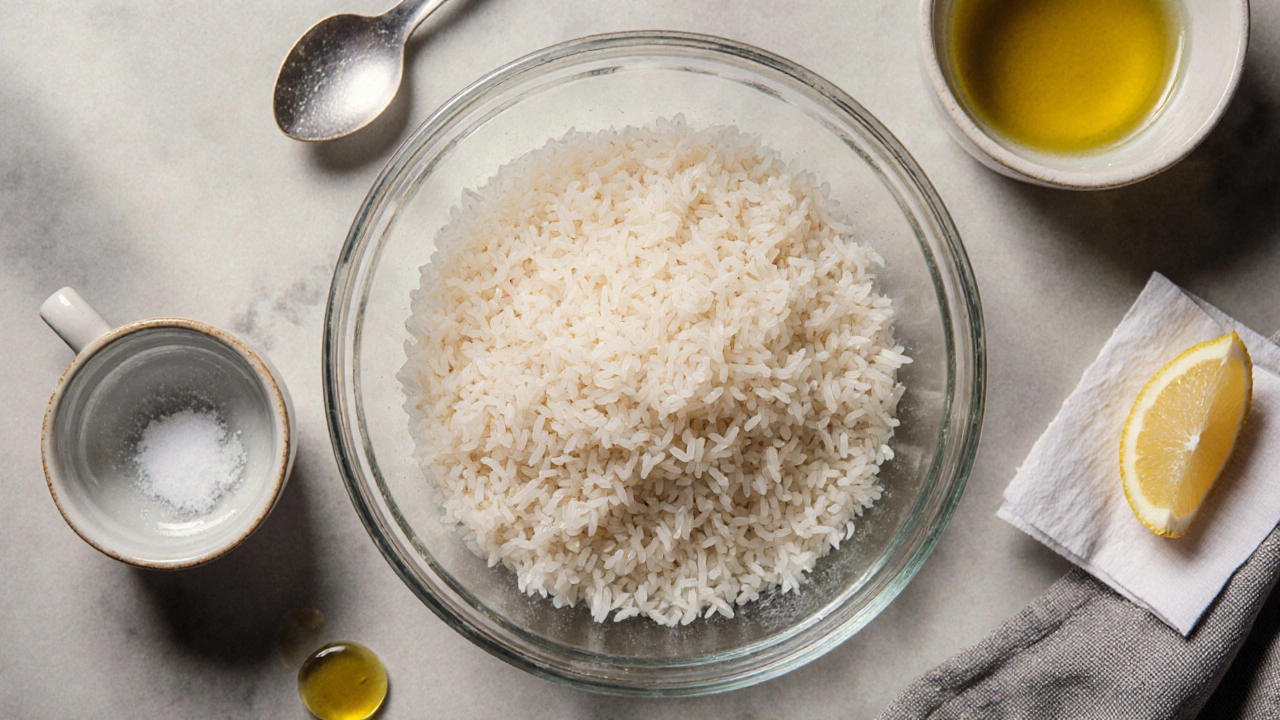
Optimal Soaking Time for Basmati Rice in Perfect Biryani
Learn the perfect soaking time for basmati rice to achieve fluffy, aromatic biryani grains. Includes step‑by‑step guidance, timing charts, and troubleshooting tips.
Read More