Biryani Etiquette: How to Eat, Serve, and Respect This Iconic Dish
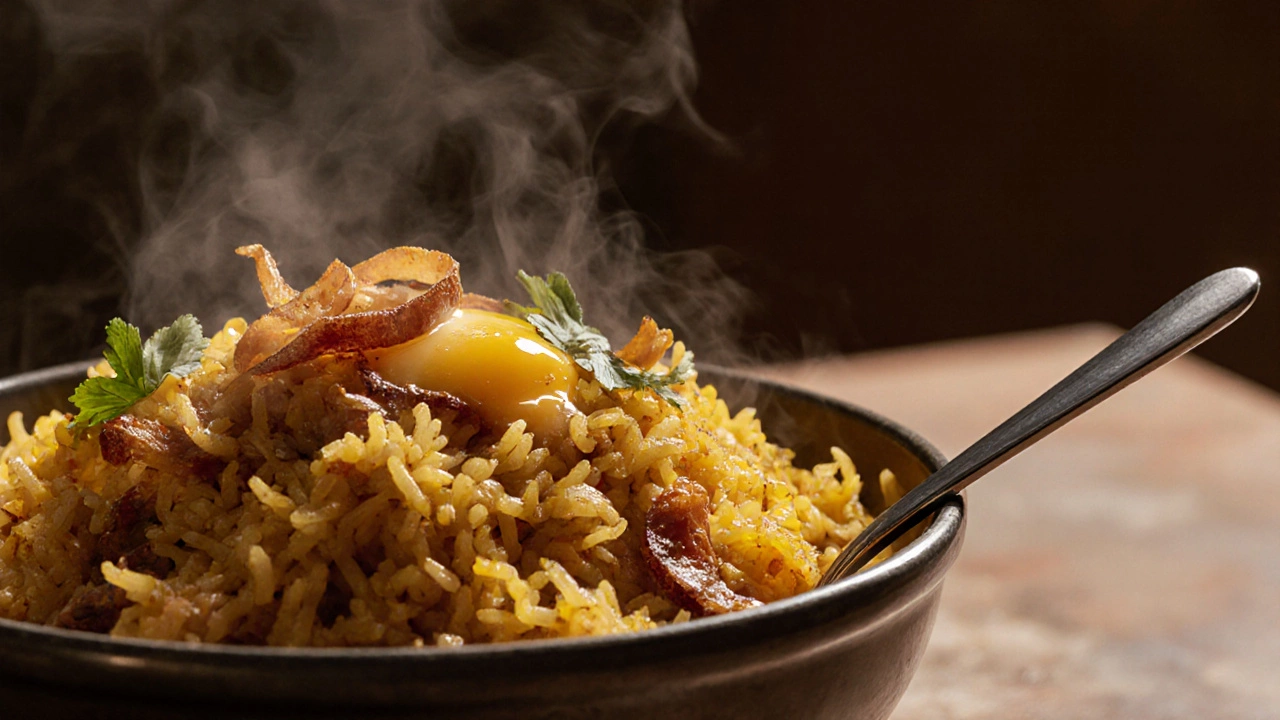
When you sit down to a plate of biryani, a layered rice dish from India with spiced meat, aromatic herbs, and saffron-infused rice. Also known as biryani rice, it’s more than a meal—it’s a ritual passed down through generations. This isn’t just food. It’s history on a plate. And like any tradition, it comes with unwritten rules about how to eat it, serve it, and share it—with respect.
There’s no fork needed. In most homes across Uttar Pradesh, Hyderabad, and Bengal, biryani is eaten with your right hand. Why? Because your fingers help you mix the rice, meat, and gravy just right. You don’t stab the meat. You gently press it into the rice, letting the flavors blend naturally. It’s messy? Sure. But that’s part of the joy. In formal settings, a spoon might be offered, but purists still reach for their hands. The act of eating biryani by hand isn’t outdated—it’s intentional. It connects you to the way it was made: slow, careful, and full of care.
How you serve it matters too. Biryani is never plated individually unless it’s a modern restaurant. Traditionally, it’s served in one large dish, placed in the center of the table. Everyone eats from the same pot—no separate bowls. This isn’t about laziness. It’s about community. The top layer, where the saffron and fried onions sit, is the most prized. The rule? Never dig straight to the bottom. Let others get their share of the crispy bits first. In some families, the youngest eats last. In others, the guest gets the best piece. These aren’t random customs—they’re quiet acts of honor.
And don’t forget the sides. A bowl of raita isn’t just a side—it’s a reset button for your palate. Pickles cut through the richness. Salads cool the heat. Skip them, and you’re missing half the experience. Even the way you drink water matters. Sip slowly between bites. Chugging it washes away the flavor. This isn’t about being fancy. It’s about savoring each layer.
There’s also the question of leftovers. In many households, biryani tastes even better the next day. But don’t just reheat it. Steam it gently. A quick toss with a little ghee and fried onion restores its soul. Never microwave it straight from the fridge. That’s not just wrong—it’s disrespectful to the cook.
What you’ll find in the posts below isn’t just recipes. It’s the real stories behind the spice, the rice, the hand motions, and the quiet rules that make biryani more than just a dish. You’ll learn how to pick the right rice, why some families never use chicken in their biryani, and how to serve it so everyone feels honored. Whether you’re cooking for family or trying it for the first time, these guides show you how to eat, serve, and respect biryani the way it was meant to be.
How to Eat Biryani Properly: Tips for the Best Flavor Experience
Learn the proper way to eat biryani with tips on utensils, layering, accompaniments, etiquette, and common mistakes for a flavor‑packed experience.
Read More