Benefits of Dal: Nutrition, Health, and Why It’s a Daily Staple
When you think of dal, a simple, spiced stew made from split lentils or legumes, central to Indian meals. Also known as lentils, it’s one of the most eaten foods in India—not because it’s cheap, but because it’s one of the few things that actually does everything right for your body. Every bowl of dal gives you a solid dose of plant-based protein, fiber that keeps you full for hours, and minerals like iron and magnesium that your body can’t make on its own. Unlike fancy superfoods, dal doesn’t need a label or a fancy store—it’s in every kitchen, from Mumbai slums to New York apartments.
Not all dals are the same. masoor dal, red lentils that cook fast and are gentle on the stomach, is great for kids and seniors. toor dal, pigeon peas used in sambar, packed with amino acids and low on the glycemic index, helps keep blood sugar steady. Then there’s chana dal, split chickpeas with more protein than chicken breast per calorie, and urad dal, black gram that boosts iron and helps with digestion. Each one brings something different to the table, and mixing them in your meals gives you a full nutritional profile without supplements.
Dal isn’t just about protein—it’s a gut healer. The fiber in dal feeds the good bacteria in your intestines, which means fewer bloating issues and better immunity. It’s also naturally low in fat and free of cholesterol, making it a top pick for heart health. People who eat dal daily are less likely to develop type 2 diabetes or high blood pressure, and studies from Indian medical journals show it helps with weight loss better than many diet plans because it keeps hunger at bay. You don’t need to go vegan or give up rice—just swap out white rice for dal-rice combos, and you’re already ahead.
And it’s not just for adults. Dal is one of the first solid foods given to babies in India because it’s easy to digest and rich in nutrients that support brain and bone growth. Even if you’re not cooking Indian food, you can still use dal in soups, salads, or even as a thickener in stews. It’s flexible, affordable, and lasts for months in your pantry.
Below, you’ll find real, practical posts that break down exactly which dal is best for your goals—whether you’re trying to lose weight, build muscle, or just eat cleaner. No fluff. Just facts, comparisons, and simple ways to use dal every day.
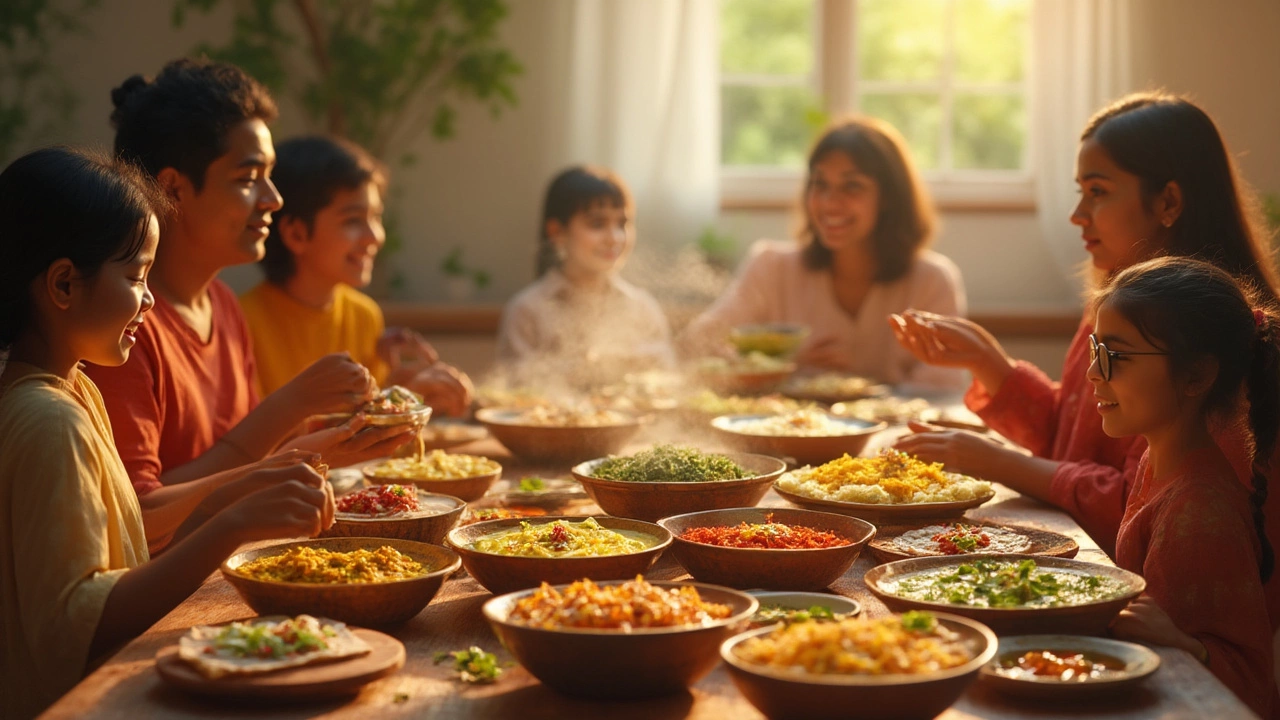
Is It Healthy To Eat Dal Every Day? Benefits, Nutrition & Possible Downsides
Wondering if you can eat dal every day? Discover dal's health benefits, nutrients, and what happens if you make it a daily staple. Easy guide for healthy eating.
Read MoreRecent Post