Basmati Rice Soaking: Why It Matters and How to Do It Right
When you soak basmati rice, a long-grain aromatic rice native to the Indian subcontinent, known for its delicate fragrance and elongated texture when cooked. Also known as Indian basmati, it's the backbone of biryanis, pulao, and everyday meals across India. Skipping the soak might seem harmless, but it’s the difference between sticky mush and light, separate grains that hold their shape.
Soaking basmati rice isn’t magic—it’s science. Dry rice grains are tight and dense. Water slowly penetrates them, loosening the starch structure so they expand evenly when cooked. If you skip this step, the outside cooks too fast while the inside stays hard, or worse, the whole batch turns gummy. Most home cooks don’t realize that soaking for just 20 to 30 minutes cuts cooking time by nearly half and gives you better control over texture. It’s not about waiting longer—it’s about working smarter.
This simple step connects to other key elements in Indian cooking. For example, rice texture, the quality of cooked rice that determines whether it’s fluffy, chewy, or clumpy. Also known as grain separation, it’s what makes biryani layers distinct and pulao feel light, not heavy. Then there’s rice preparation, the full process of rinsing, soaking, and cooking rice to bring out its best qualities. Also known as rice washing, it’s the foundation of every great rice dish in Indian kitchens. These aren’t separate tips—they’re parts of the same system. Rinsing removes excess starch. Soaking ensures even hydration. Cooking with the right water ratio locks it all in.
People ask, "Can I skip soaking if I’m in a hurry?" You can—but you’ll pay for it. Undercooked centers, uneven texture, or a sticky mess are the price. Some shortcuts work in cooking. This one doesn’t. And it’s not just about taste—it’s about respect for the ingredient. Basmati rice is expensive. You wouldn’t waste it. Soaking takes less time than scrolling through your phone. Five minutes to rinse. Twenty to soak. That’s it.
What you’ll find in the posts below isn’t a list of random tips. It’s a real collection from cooks who’ve tested this over and over. You’ll see how soaking changes the outcome in biryanis, why some recipes skip it (and when that’s okay), and what happens when you soak it too long. There’s no fluff here—just clear, tested advice that works in your kitchen, whether you’re making a simple rice side or a special occasion dish.
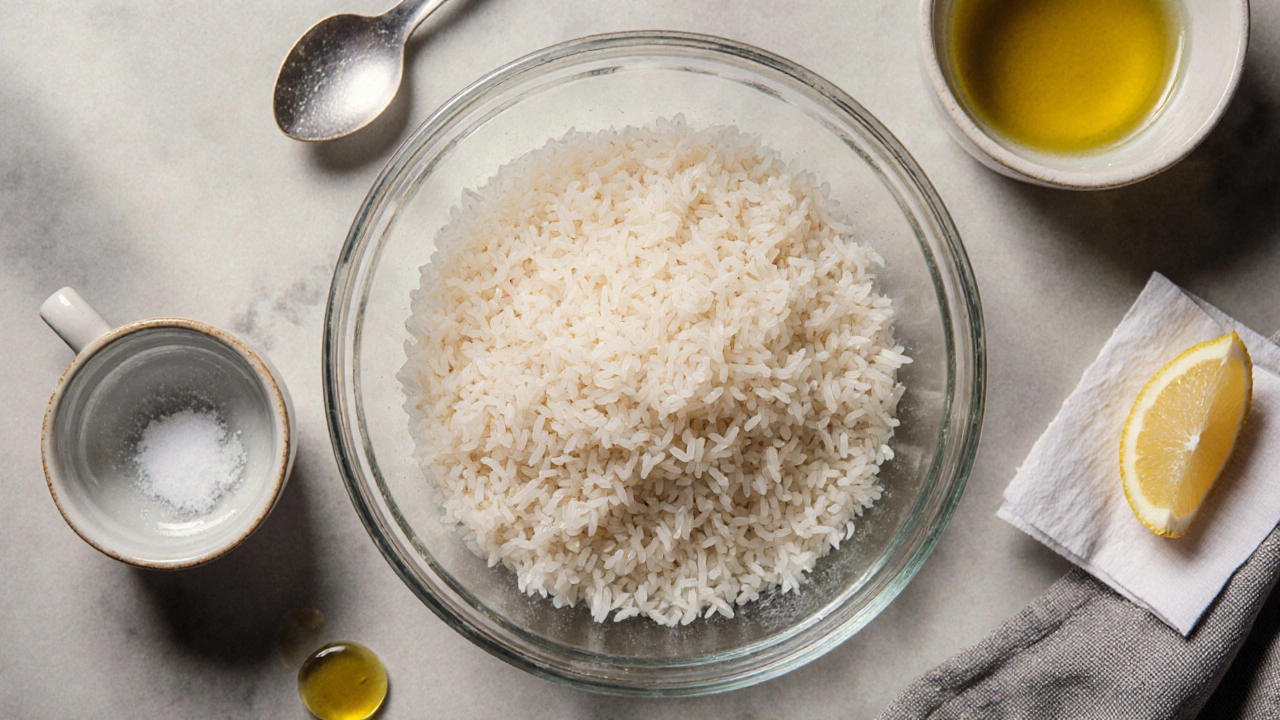
Optimal Soaking Time for Basmati Rice in Perfect Biryani
Learn the perfect soaking time for basmati rice to achieve fluffy, aromatic biryani grains. Includes step‑by‑step guidance, timing charts, and troubleshooting tips.
Read More