India Packing Planner: Jeans or Linen?
Trip Details
Enter your trip details to see what to pack.
Based on the article's "Hybrid Approach" strategy.
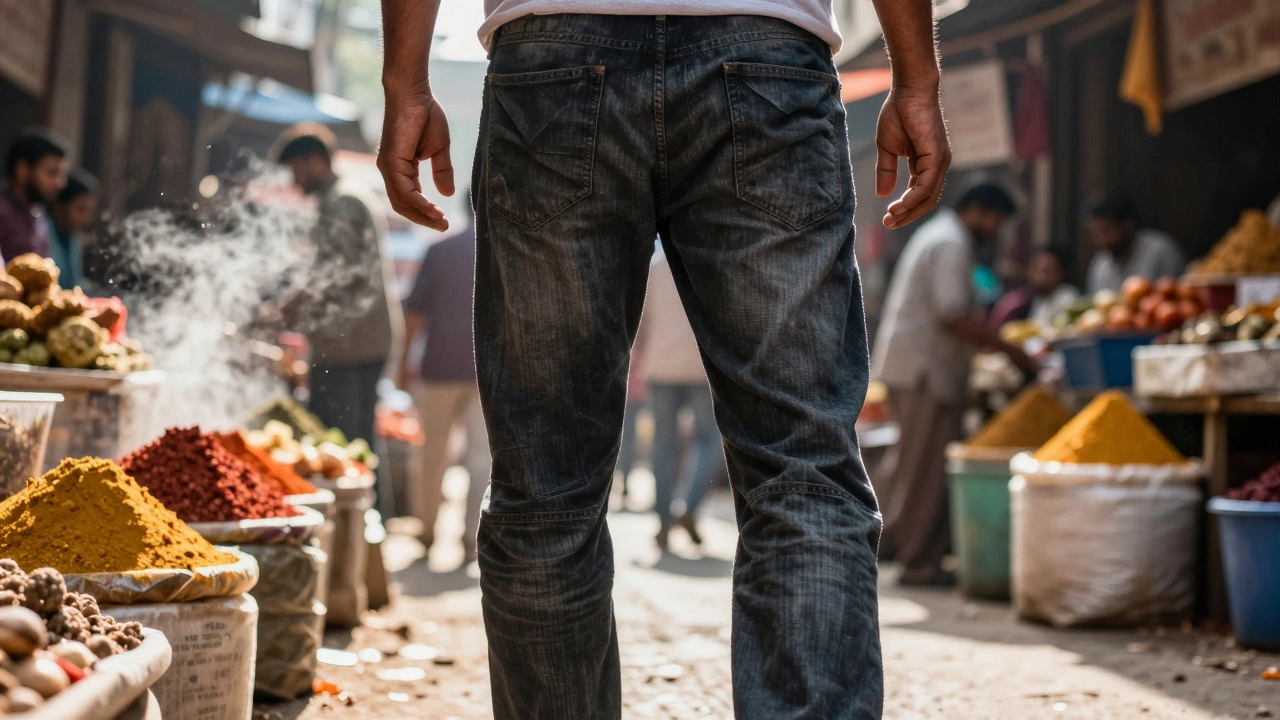
You’ve got your passport, your vaccinations, and a stomach ready for the world’s most vibrant street food. But there is one item in your suitcase causing doubt: that pair of dark denim jeans. You love them. They are durable, stylish, and protect your legs from sunburn. But India is not Europe. The humidity in Mumbai can hit 90%, while the dust in Rajasthan coats everything you own. So, should you take jeans to India? The short answer is yes, but with major caveats. If you treat denim as your primary pant option, you will regret it within forty-eight hours. If you treat it as a situational tool, it might just save you.
Let’s break down why jeans get a bad rap in South Asia, when they actually make sense, and what you should pack instead to keep cool while hunting for the best chaat and kebabs.
The Physics of Denim in Tropical Heat
To understand why jeans struggle in India, you have to look at the material itself. Denim is essentially heavy cotton woven tightly. It is designed to hold its shape and resist wear. In a climate where temperatures regularly exceed 35°C (95°F) and humidity sits between 70% and 90%, this fabric becomes a thermal trap. Cotton absorbs sweat, but thick denim does not dry quickly. When you are walking through the narrow, bustling lanes of Delhi or navigating the humid streets of Kolkata, your body tries to cool itself by evaporating sweat. Jeans block that evaporation. You end up feeling like you are wearing wet towels against your skin all day.
There is also the issue of airflow. Indian cities are dense. You will be standing in lines for vada pav, waiting for auto-rickshaws, and squeezing through crowded markets. Tight or even straight-leg jeans restrict blood flow and increase body temperature. Overheating leads to irritability, fatigue, and in extreme cases, heat exhaustion. You want your clothes to work with your body, not against it.
However, physics isn't the only factor. There is also the practical reality of maintenance. Laundry facilities vary wildly across India. In hostels, you might hand-wash clothes in a sink. In hotels, laundry services exist but cost money and time. Jeans take forever to air-dry compared to linen or synthetic blends. If you pack three pairs of jeans, you will find yourself without clean pants halfway through your trip because they are still damp on the line.
When Jeans Actually Make Sense
I am not saying you should leave every pair of jeans at home. There are specific scenarios where denim is the superior choice. First, consider the season. If you are visiting during the winter months-November through February-the weather changes drastically. In North India, particularly in places like Jaipur, Delhi, and Amritsar, daytime temperatures can drop to 15°C (59°F), and nights can feel chilly, especially if there is wind. During these weeks, jeans provide necessary insulation. They are warm, sturdy, and comfortable for long days of sightseeing.
Second, think about hygiene and protection. Indian street food culture involves sitting on low plastic stools or standing near open grills. Grease splatters happen. Dust kicks up from unpaved roads. Jeans are tough. A splash of oily samosa sauce or a scrape against a rough wall won’t ruin a good pair of denim. Furthermore, if you plan on doing any adventure activities, such as trekking in the Himalayas or riding motorbikes in Kerala, jeans offer abrasion resistance that light trousers cannot match.
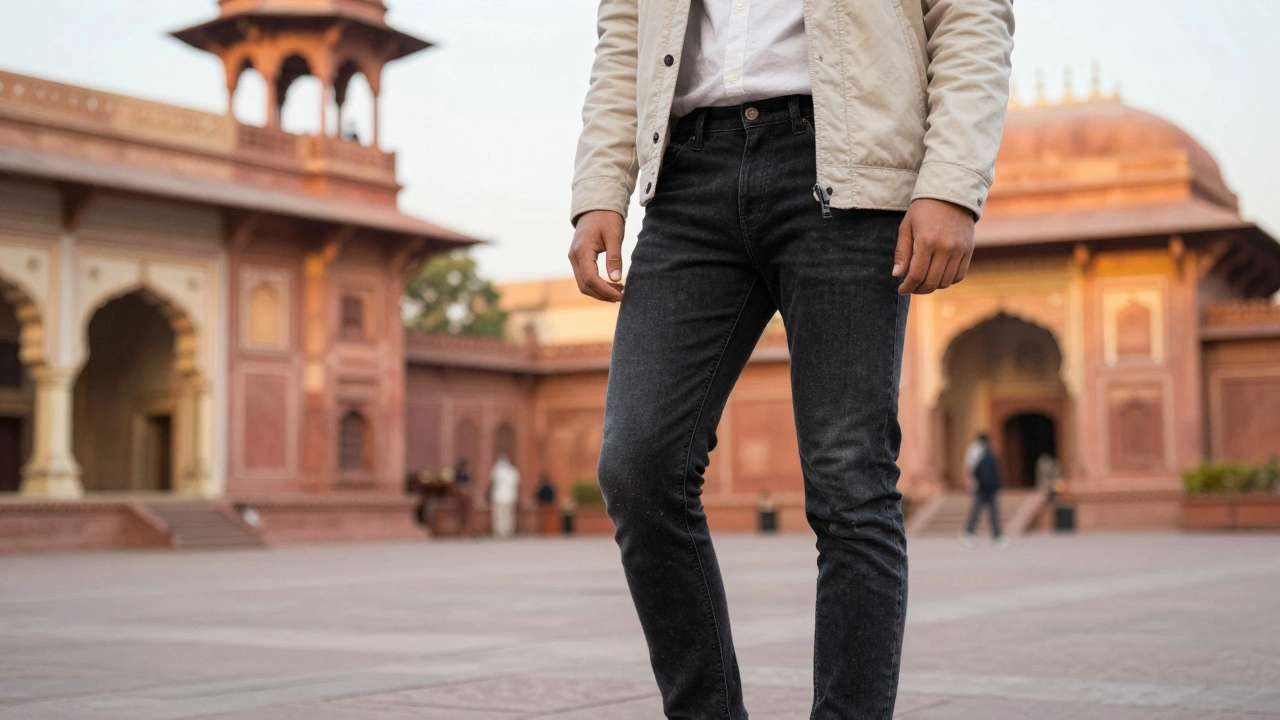
Third, there is the evening factor. As the sun sets, many Indian cities cool down significantly. For dinner reservations at nicer restaurants or visits to cultural sites that close early, jeans look more polished than athletic shorts. They bridge the gap between casual tourist gear and respectful attire.
The Better Alternatives: What to Pack Instead
If jeans are only useful for winter, evenings, or rugged terrain, what should fill the rest of your luggage space? You need fabrics that breathe, dry fast, and move with you. Here are the top contenders for an Indian wardrobe:
- Linen Trousers: Linen is king in hot climates. It is loose, breathable, and looks sophisticated even when wrinkled. Opt for lightweight, unlined linen pants in neutral colors like beige, white, or light gray. They allow air to circulate freely around your legs.
- Chino Shorts: If you are visiting during peak summer (April to June), shorts are essential. Choose mid-thigh length chinos made from stretchy cotton blends. Avoid cargo shorts with bulky pockets; they add unnecessary weight and bulk.
- Quick-Dry Travel Pants: Brands like Prana or Patagonia make pants designed for hiking that wick moisture away from the skin. These often have zip-off legs, converting into shorts instantly. They dry overnight, meaning you can wash them in a sink and wear them again the next morning.
- Kurtas and Local Wear: Why not dress like the locals? Kurtas are long, loose tunics worn over pants or dhotis. They are incredibly cool and culturally appropriate. You can buy high-quality kurtas for under $10 at local markets. Wearing local clothing also reduces unwanted attention from touts and makes blending in easier.
Cultural Considerations and Modesty
India is a diverse country with varying norms regarding dress. While urban centers like Mumbai and Bangalore are relatively liberal, rural areas and religious sites demand modesty. Shoulders and knees should generally be covered when entering temples, mosques, or gurdwaras. This is where jeans can actually help. If you carry a pair of jeans, you can use them as a backup to cover up when needed. However, carrying a large scarf or shawl is a lighter, more versatile solution. You can drape it over your shoulders or wrap it around your waist to convert shorts into acceptable attire for sacred spaces.
Color matters too. Bright colors attract attention, which can be fun but also invites sales pitches. Neutral tones like khaki, olive, and navy hide dirt better and reflect less heat than black. Black absorbs sunlight, making you hotter faster. If you must wear dark jeans, choose a faded wash rather than deep indigo.
Packing Strategy: The Hybrid Approach
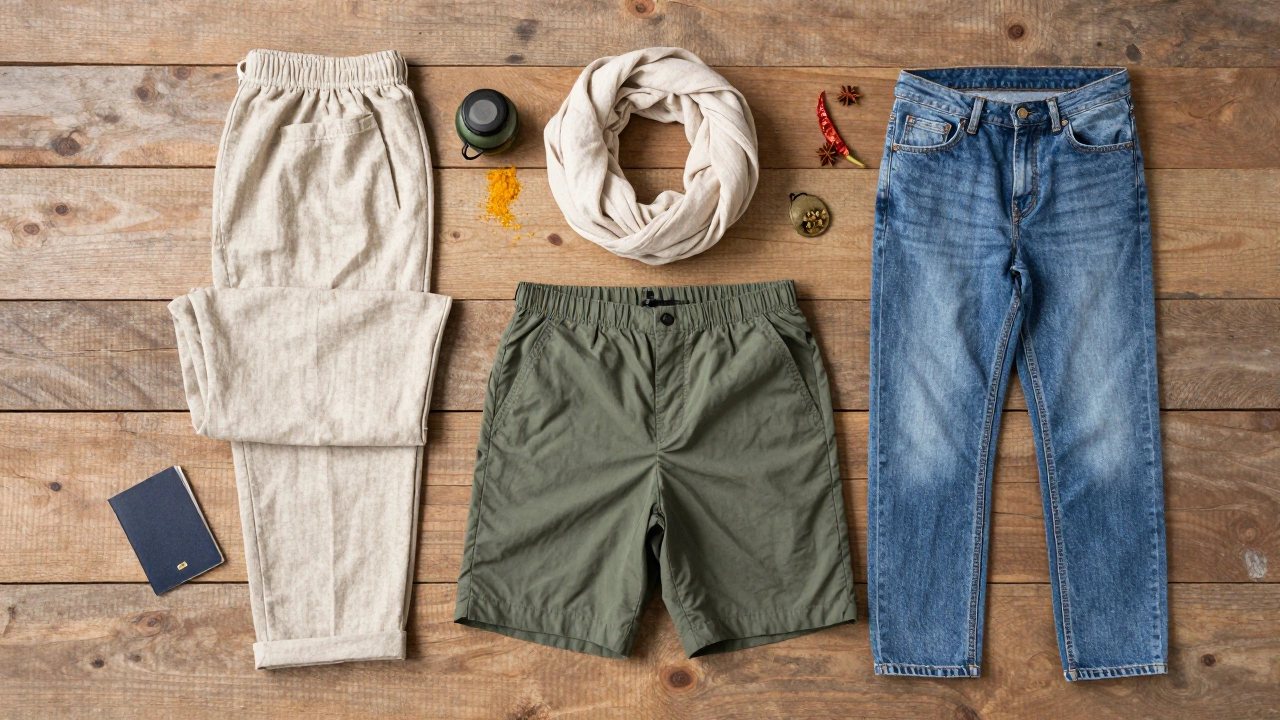
So, how do you balance comfort, culture, and convenience? Adopt a hybrid packing strategy. Limit your denim intake to one pair maximum. Treat this pair as your "evening" or "cold weather" pant. For the other two-thirds of your bottoms, prioritize lightweight, breathable materials. Here is a sample breakdown for a two-week trip:
- 1 pair of dark, slim-fit jeans (for evenings/winter)
- 2 pairs of linen or cotton chinos (for daytime sightseeing)
- 2 pairs of quick-dry shorts (for heat/hiking)
- 1 lightweight scarf (for temple visits/modesty)
This approach ensures you always have something appropriate for the situation without sacrificing comfort. Remember, the goal is to enjoy the experience, not suffer through it. Your legs will thank you.
Street Food Safety and Clothing
Since your interest lies in street food india, let’s connect clothing to eating habits. Street food vendors operate in chaotic environments. Steam rises from idli steamers, oil sizzles in pani puri stalls, and crowds press in from all sides. Loose-fitting clothes reduce friction and discomfort in these tight spaces. Tight jeans dig into your waistband when you bend down to pick up a dropped napkin or adjust your bag. They also make sitting cross-legged on the floor-a common practice at some traditional eateries-painful.
Additionally, consider stain management. Spices like turmeric and chili powder can leave permanent marks on light fabrics. Darker colors or patterned prints help mask accidental spills. If you spill mint chutney on your white linen pants, it’s a disaster. On olive green chinos, it’s barely noticeable. Practicality wins every time.
Can I wear shorts in India?
Yes, you can wear shorts in India, especially in major cities and tourist areas. However, avoid wearing them to religious sites like temples or mosques, where covering your knees is required. Mid-thigh length is ideal; avoid overly short or revealing styles to respect local sensibilities.
What is the best fabric to wear in India?
Linen and lightweight cotton are the best fabrics for India. They breathe well, absorb sweat, and dry relatively quickly. Synthetic moisture-wicking materials are also excellent for active travelers. Avoid heavy wool, polyester, and thick denim unless you are visiting in winter.
Do I need formal clothes for India?
No, India is largely informal. Smart-casual attire is sufficient for most restaurants and events. Jeans paired with a nice shirt or blouse works well for dinners. You rarely need suits or dresses unless attending a wedding or corporate event.
How do I deal with dust and dirt in Indian cities?
Dust is inevitable. Choose darker colors or patterns that hide dirt better. Carry a small towel to wipe off surfaces before sitting. Quick-dry fabrics allow you to wash clothes frequently. Also, consider buying affordable local clothes to replace soiled items easily.
Is it safe to eat street food in India?
Yes, street food is safe if you follow basic precautions. Eat at busy stalls with high turnover, ensure food is cooked fresh and hot, avoid raw salads and ice, and drink bottled water. Your clothing doesn't affect safety, but comfortable clothes help you navigate crowded food markets more easily.