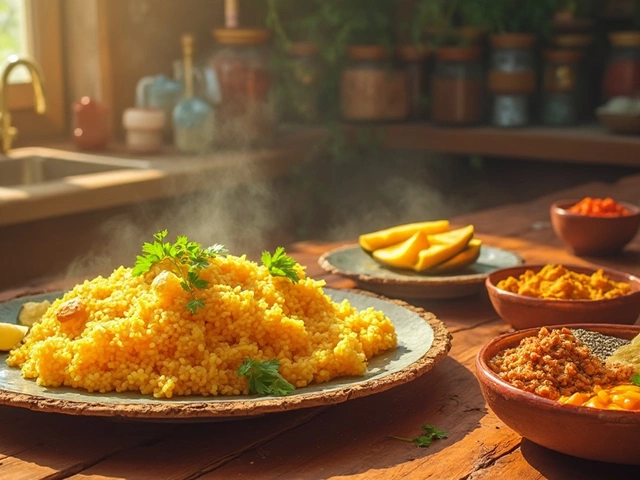
Vegetarian Hindu Recipes: Authentic Dishes, Daily Staples, and Traditional Flavors
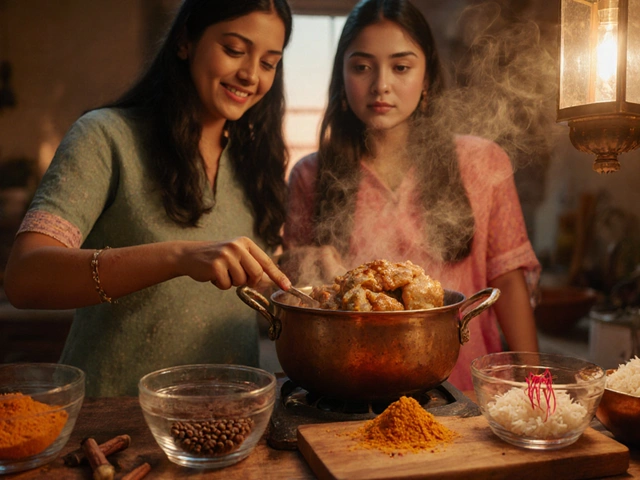
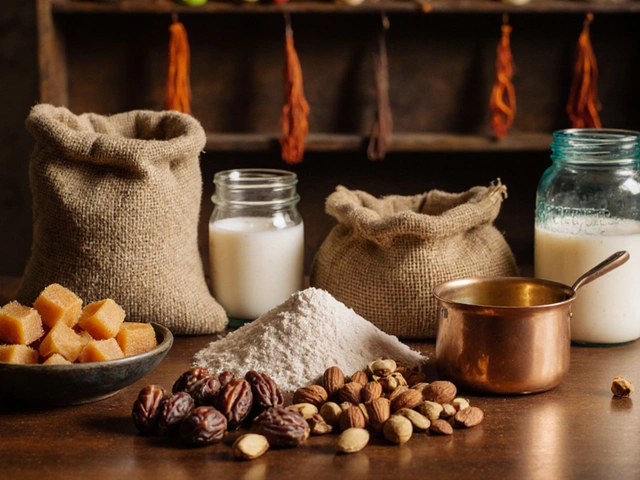
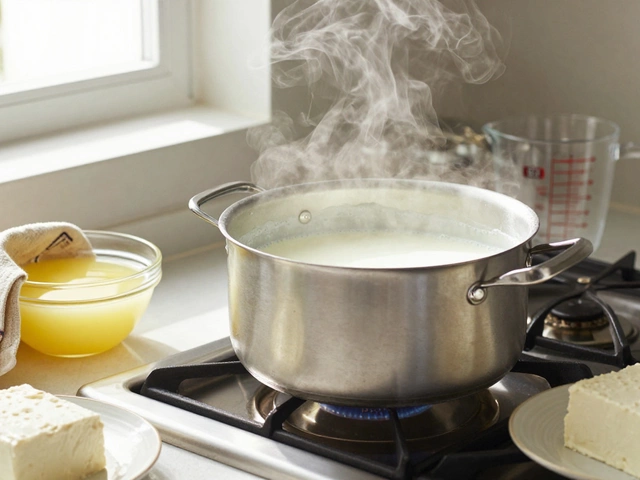
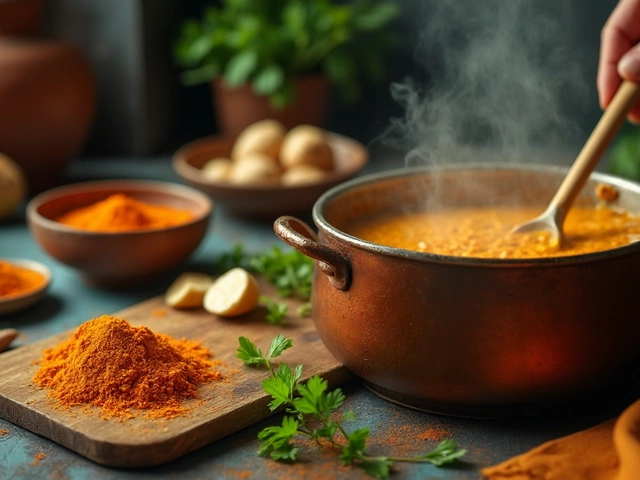
When people talk about vegetarian Hindu, a dietary and cultural practice rooted in Hindu traditions that avoids meat and often eggs, centered around plant-based meals with deep spiritual and regional meaning. Also known as Hindu vegetarian cuisine, it’s not just about what’s left out—it’s about what’s carefully put in: lentils, dairy, spices, and grains that nourish body and soul. This isn’t a trend. It’s a way of life for millions across India, where meals are shaped by faith, season, and family. You won’t find chicken curry or beef here, but you’ll find dal, a simple, spiced stew made from split lentils or legumes, cooked daily in nearly every Hindu household as a protein-rich base for meals simmering on the stove, paneer, a fresh, unaged cheese made by curdling milk with lemon or vinegar, used in everything from curries to snacks fried golden in the pan, and jaggery, a traditional unrefined sugar made from cane or palm sap, used to sweeten desserts without refined white sugar melting into sweets like peda and laddus.
What makes vegetarian Hindu food different from other plant-based diets? It’s the rhythm. Breakfast isn’t just oats—it’s poha or upma, made with rice flakes or semolina, lightly spiced and eaten warm. Lunch centers around rice or roti, paired with dal, a vegetable sabzi, and a spoon of yogurt. Dinner? Often lighter—maybe a bowl of khichdi, a one-pot mix of rice and lentils, cooked with turmeric and cumin. There’s no need for meat substitutes because the flavors come from spices like hing, cumin, and asafoetida, and textures from lentils, chickpeas, and dairy. This isn’t deprivation. It’s abundance, carefully balanced. You’ll find meals that are high in fiber, low in saturated fat, and packed with slow-releasing energy—perfect for long days and mindful living. And yes, it’s delicious. The same dishes that feed families in Varanasi also show up in kitchens in Texas and Toronto, because good food doesn’t need permission to travel.
Below, you’ll find real recipes from real kitchens—not fancy restaurant versions, but the kind your grandmother or neighbor would make. Learn how to pick the healthiest dal, how to make paneer that doesn’t crumble, and why certain sweets use jaggery instead of sugar. You’ll see how simple ingredients, when handled right, create meals that are comforting, nutritious, and deeply satisfying. Whether you’re cooking for health, faith, or just because you love flavor, this collection gives you the tools to eat like a Hindu household—with clarity, respect, and taste.
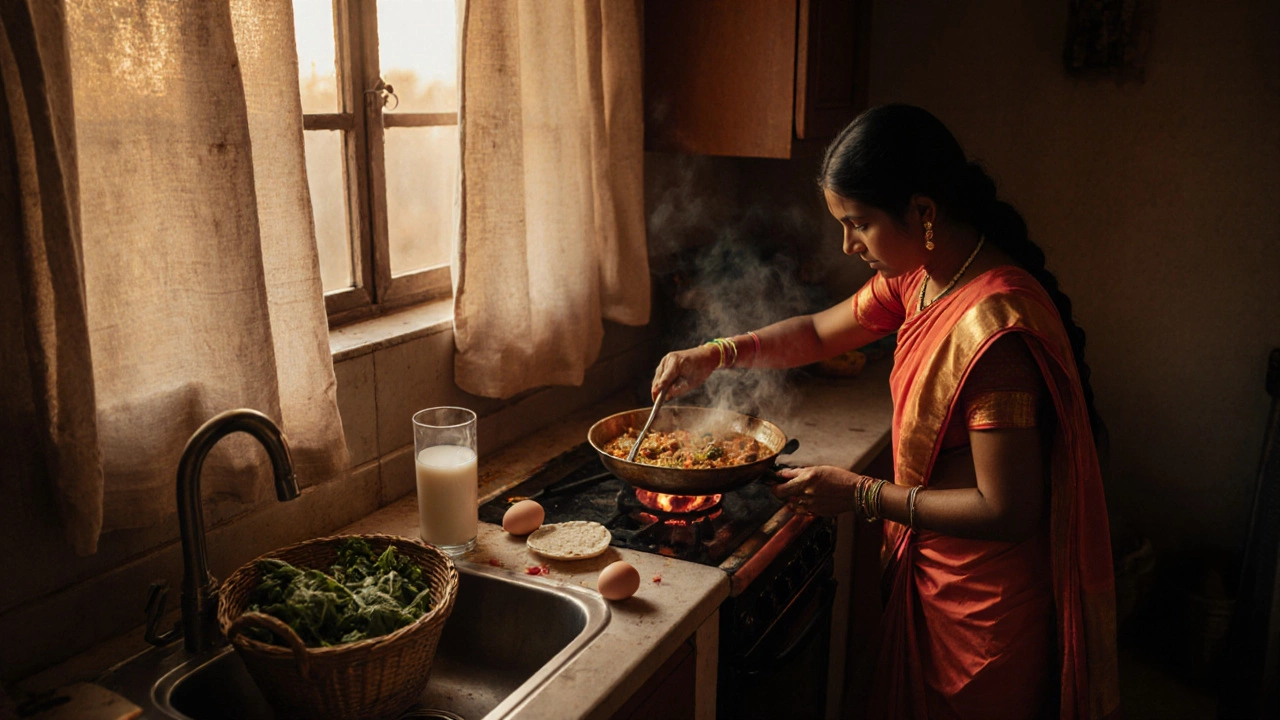
Is Eating Eggs a Sin in Hinduism? A Clear Guide to Religion, Diet, and Tradition
Eating eggs isn't a sin in Hinduism, but many Hindus avoid them due to beliefs in non-violence and purity. Learn why eggs are treated like meat in Hindu diets and how this affects Indian cooking and daily life.
Read More