Street Food Term: What It Really Means in Indian Cooking
When people say street food term, a casual, open-air food culture found across India’s cities and towns. Also known as roadside eats, it’s not just about eating on the go—it’s about how India feeds itself every single day. You won’t find this in fancy restaurants. You’ll find it at 6 a.m. outside a train station, at 9 p.m. near a college gate, or beside a temple during a festival. This is where real Indian flavors live—simple, spicy, and made fresh in front of you.
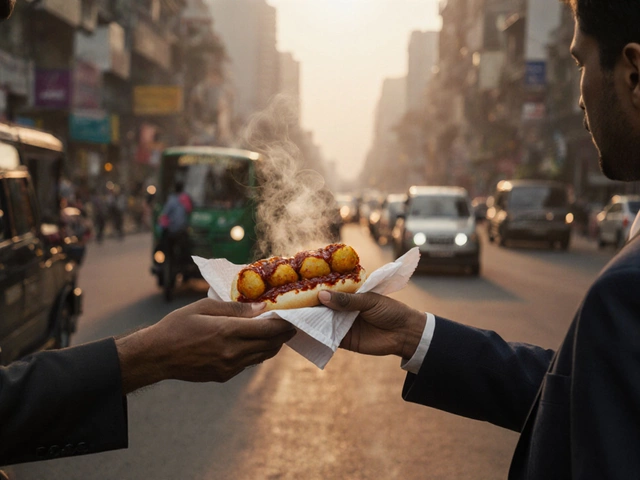
Indian street food isn’t one thing. It’s a whole ecosystem. vada pav, a spicy potato fritter in a bun, born in Mumbai, is as much a part of daily life as tea. pani puri, crispy hollow balls filled with tangy water, potatoes, and chickpeas, is eaten by kids, office workers, and grandmas alike. These aren’t just snacks—they’re identity. Each city has its own version. In Delhi, it’s chole bhature. In Kolkata, it’s jhal muri. In Chennai, it’s bonda. The street food term covers all of them, and more.
What makes street food different from home cooking? Speed. Texture. Boldness. No slow simmering here. It’s all about instant flavor—hot oil, fresh chutneys, sharp spices, and crunchy bites. You eat it with your hands, often standing up, while the vendor tosses spices like a magician. It’s messy. It’s loud. And it’s unforgettable. This is why travelers come to India not just for temples or beaches, but for the sizzle of a frying vada or the pop of a pani puri bursting in their mouth.
And yes, safety matters. Some stalls are clean, some aren’t. That’s why posts here cover what to look for, what to avoid, and how to enjoy street food without getting sick. You’ll find guides on where to spot the best stalls, what ingredients make certain snacks healthier, and why some traditional street snacks—like poha or upma—are actually great for weight loss. You’ll also see how things like paneer, dal, and chutney show up in these snacks, not just in homes.
Behind every street vendor is a recipe passed down, a spice blend perfected over years, and a rhythm of life built around early mornings and late nights. This collection isn’t just about food. It’s about people. It’s about the smell of cumin hitting hot oil at dawn. It’s about the sound of a steel plate clinking as a vendor hands you your order. It’s about how a single term—street food term—holds the heartbeat of a nation’s eating habits.
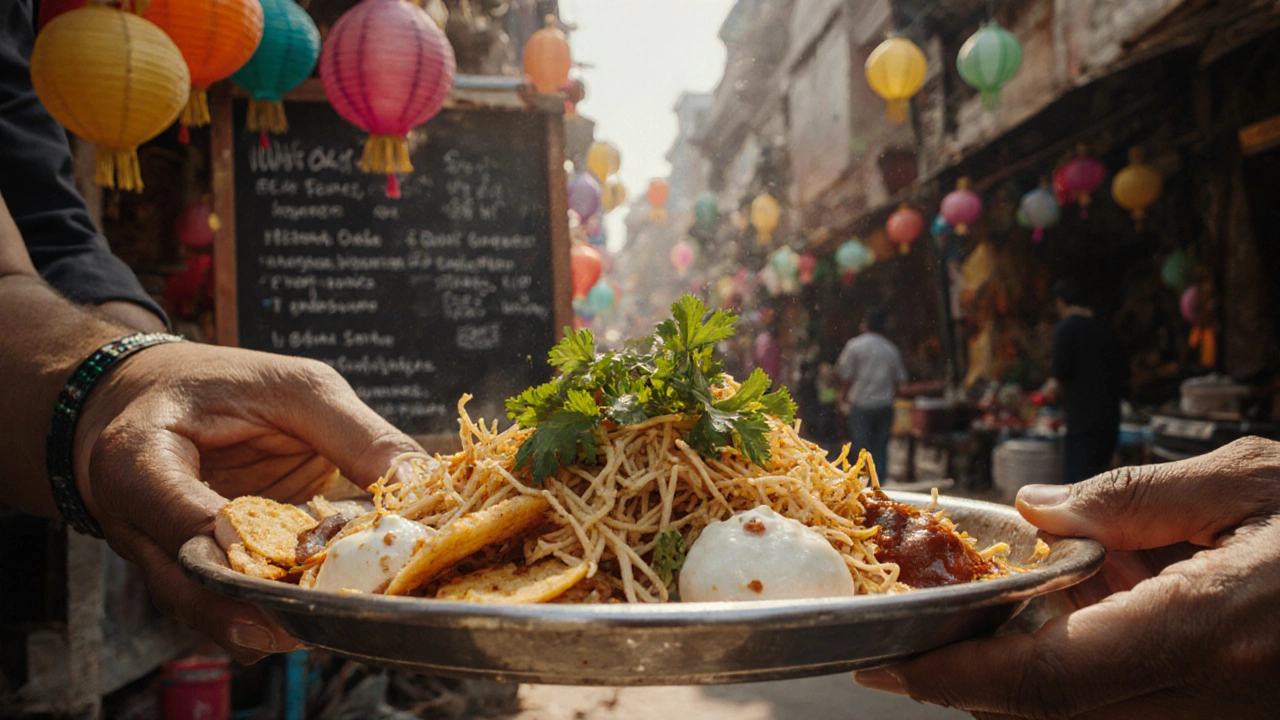
Indian Street Food: The Word, Meaning, and Popular Chaat Varieties
Discover the proper word for Indian street food-chaat-its meaning, popular varieties, regional terms, and how to enjoy or make it at home.
Read More