Safe Eating in India: What to Eat, Avoid, and How to Stay Healthy
When you think of Indian food, you think of bold flavors, rich spices, and meals that feel like home. But safe eating in India, the practice of choosing and consuming Indian foods without risking illness. Also known as food safety in Indian cuisine, it’s not about avoiding the food—it’s about knowing how to pick the right stalls, spot spoiled ingredients, and understand what’s truly safe to eat. Many travelers and even locals worry about getting sick from street food or homemade dishes like paneer or dal. The truth? Most Indian meals are perfectly safe if you know what to look for.
Paneer, a fresh Indian cheese made by curdling milk with lemon or vinegar. Also known as Indian cottage cheese, it’s a staple in curries and snacks—but it spoils fast. Homemade paneer lasts only 3 to 5 days in the fridge, and eating 7-day-old paneer is risky even if it looks fine. No amount of cooking will kill the bacteria that grow after that point. Then there’s street food, the vibrant, affordable meals sold by vendors across India. Also known as Indian roadside eats, it’s where you’ll find the best vada pav, pani puri, and dosa. But not all stalls are clean. Look for busy ones—high turnover means fresher food. Avoid anything sitting out in the heat for hours, especially dairy-based dishes or anything with raw onions. And don’t forget healthy Indian snacks, light, nutritious options like roasted chana, poha, or ragi laddus. Also known as slimming Indian snacks, they’re not just for weight loss—they’re safer because they’re less likely to harbor bacteria compared to oily or dairy-heavy treats. These foods are part of daily life in India, and they don’t need to be avoided. They just need respect.
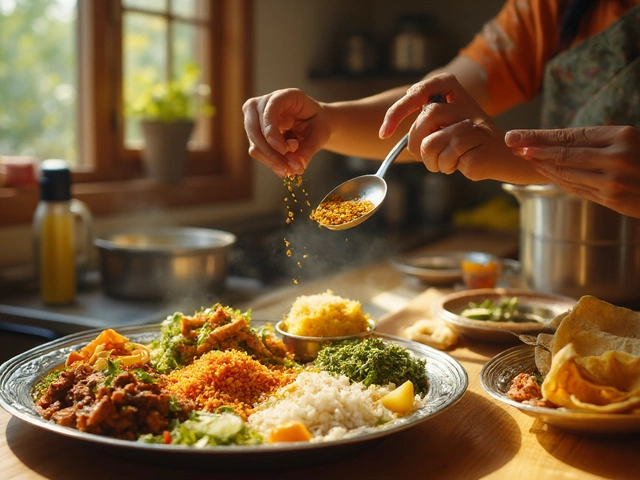
Safe eating in India isn’t about fear. It’s about awareness. Know how long paneer lasts. Understand that dal is safe if cooked fresh and stored properly. Learn which sweeteners like jaggery or khoya are naturally preserved and which desserts are best eaten the same day. Notice how idli and dosa are fermented—this natural process makes them easier to digest and less likely to cause upset stomachs. The best Indian meals aren’t the most exotic ones—they’re the ones made with care, served hot, and eaten fresh. Below, you’ll find real guides from home cooks and travelers who’ve learned these lessons the hard way. They’ll show you exactly what to check, what to skip, and how to enjoy every bite without worry.

How to Avoid a Bad Stomach in India - Practical Tips for Travelers
Practical tips to keep your stomach happy while traveling in India, covering water safety, food choices, hygiene, probiotics, and emergency steps.
Read MoreRecent Post