Indian Sweets Sweetener: Natural Alternatives and Traditional Choices
When you think of Indian sweets sweetener, the natural ingredients that give Indian desserts their deep, rich flavor without refined sugar. Also known as traditional Indian sweeteners, these are the unsung heroes behind jalebis, laddus, and pedas—ingredients passed down for centuries, not invented in a lab. Most people assume sugar is the only option, but that’s not how it’s done in Indian kitchens. The real magic comes from jaggery, unrefined cane sugar made by boiling raw sap, with a molasses-like depth and minerals that refined sugar lacks. It’s not just sweeter—it’s earthier, warmer, and ties directly to village traditions in Maharashtra, Uttar Pradesh, and Tamil Nadu. Then there’s honey, used in regional sweets like gur ka halwa or seasonal treats in Rajasthan, prized for its floral notes and natural preservative qualities. These aren’t substitutes—they’re the original recipe.
What’s missing from modern grocery shelves is exactly what makes these sweets work: texture, color, and slow-cooked flavor. Refined white sugar gives you sweetness, but nothing else. Jaggery adds a caramelized richness that lingers. Honey brings a subtle complexity that sugar can’t mimic. Even date paste, a growing favorite in health-focused Indian households, offers fiber and natural fructose without spiking blood sugar. You’ll find it in modern takes on ladoos and barfis, replacing sugar while keeping the soul of the dish. These aren’t trends—they’re revivals. And they’re not just for health nuts. Even grandmas who’ve made pedas for 50 years are switching back to jaggery because it just tastes better.
There’s a reason the oldest Indian sweet, Peda, a milk-based dessert from Mathura dating back over 500 years, uses only milk and jaggery. No vanilla extract, no artificial colors, no high-fructose corn syrup. Just slow-cooked milk, gentle heat, and the natural sweetness of cane. That’s the standard. Today’s health-conscious versions of Indian sweets—like ragi laddus or date halwa—still follow that rule. They don’t remove sweetness; they just swap the source. And that’s why you’ll find recipes here using jaggery, honey, and even coconut sugar—not because they’re trendy, but because they’re true to the craft.
What you’ll find below isn’t a list of sugar-free diets or dietitian-approved swaps. It’s a collection of real kitchen wisdom—how to use jaggery without making your dessert gritty, why honey works in some sweets but not others, and how to tell if a sweet is truly made with traditional sweeteners or just labeled that way. These aren’t theories. They’re tested methods from home cooks who’ve been doing this long before the word "healthy" became a marketing label. Whether you’re making sweets for Diwali, a birthday, or just because, the sweetener you choose changes everything. Let’s see what works, what doesn’t, and what’s been working for centuries.
What Sweetener Is Used in Indian Sweets? Traditional Sugars and Alternatives Explained
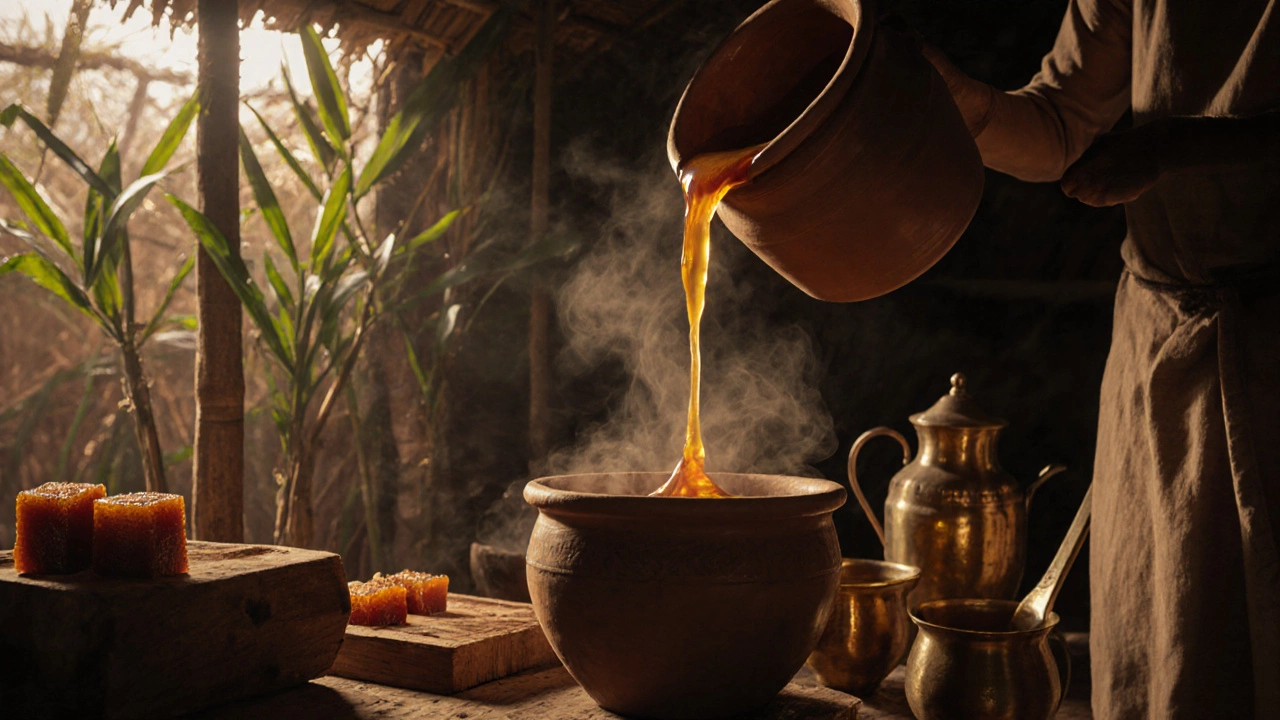
Indian sweets use more than just sugar-jaggery, khoya, and palm syrup are traditional sweeteners that give unique flavor and texture. Learn what's really in your favorite desserts.
Read More