Indian Street Talk: Real Words, Real Flavors from India’s Food Streets
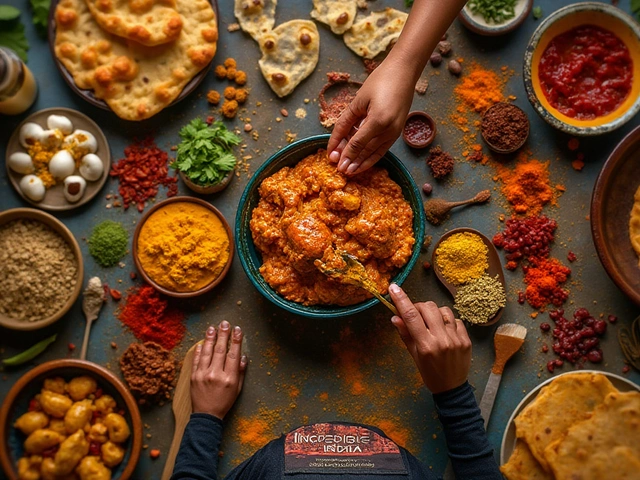
When you hear someone say dal, a simple, spiced lentil stew that’s eaten daily across India. Also known as lentil curry, it’s not just food—it’s comfort, culture, and sometimes, the only meal of the day. But if you’ve ever been confused by what people actually say on the streets of Mumbai, Delhi, or Chennai, you’re not alone. Chutney, a tangy, spicy condiment served with everything from dosa to samosa. Also known as Indian relish, it’s not just a side—it’s the flavor punch that ties a meal together. And then there’s hing, the pungent spice that smells like rotten eggs but makes curries taste like magic. Also known as asafoetida, it’s the secret ingredient your grandma swears by—even if you can’t stand the smell. These aren’t just words on a menu. They’re the heartbeat of Indian street food culture, spoken fast, lived daily, and passed down through generations without ever needing a dictionary.
Indian street talk isn’t about fancy terms or textbook definitions. It’s about what you hear when you stand in line for vada pav, when the chai wallah asks if you want it "sweet or strong," or when your auntie tells you to "add a pinch of hing" and you have no idea what that means. It’s the difference between calling paneer "cottage cheese" (which isn’t even close) and just saying "paneer" because that’s what it is. It’s why people don’t say "lentil soup"—they say "dal." Why they don’t say "spicy sauce"—they say "chutney." And why they don’t explain hing—they just use it, because the smell fades and the flavor stays.
This collection of posts dives into exactly those moments. You’ll find out what dal really means in the USA, why 7-day-old paneer is a bad idea, and how to tell if your hing is still good. You’ll learn the truth about eggs in Hinduism, the oldest sweet in India, and why soaking basmati rice matters more than you think. These aren’t just recipes—they’re translations of everyday Indian life into the kitchen. Whether you’re trying to understand why biryani is eaten a certain way, or why jaggery is used instead of sugar in sweets, this is the real talk—the kind you hear in homes, markets, and roadside stalls across India. No fluff. No jargon. Just the words, the food, and the reasons behind them.
What is the Indian Slang for Okay?
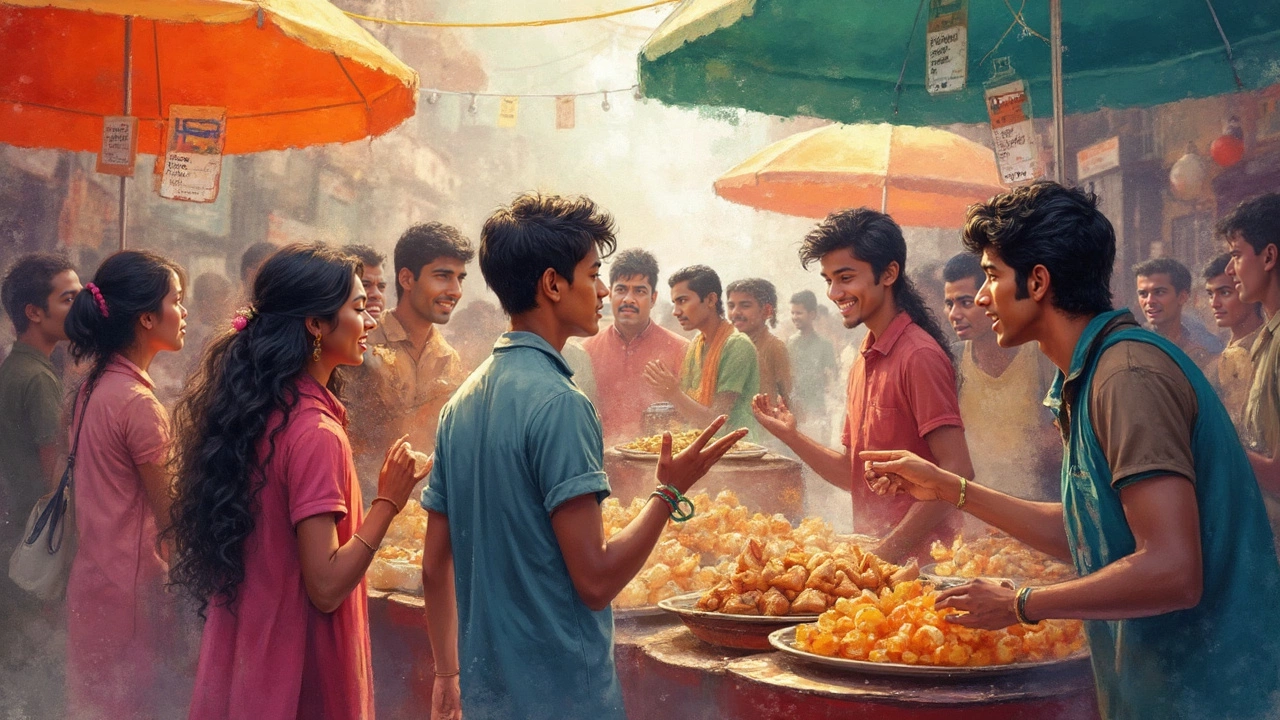
Explore the Indian slang for 'okay' and its connection to the vibrant street food culture in India. Learn how language and food intertwine in everyday life, making interactions lively and colorful. Discover interesting facts about regional variations of street lingo. Understand the crucial role street vendors play in local communities. Immerse yourself in the lively conversations that flavor Indian streets.
Read More