Indian Slang: Real Words Used in Indian Kitchens and Streets
When you hear someone say dal, a simple, spiced lentil stew that’s a daily staple across India, they’re not just talking about lentils. In India, dal isn’t a category—it’s a ritual. It’s what’s simmering on the stove at 7 a.m. in a Mumbai flat, what’s served with roti in a Delhi home, and what gets called "gur gur" when it’s just right. The English word "lentils" doesn’t capture it. Dal includes tuvar, moong, masoor, chana—each with its own texture, taste, and tradition. And no, you can’t just swap it for any bean. It’s a whole language of its own.
Then there’s chutney, a tangy, spicy condiment made from fresh ingredients like mint, tamarind, or coconut, and used to cut through rich dishes. In English, it’s often called "sauce" or "dip," but that’s like calling biryani "rice with meat." Chutney is the flavor adjuster, the palate reset, the secret weapon. You don’t pour it—you spoon it. You don’t eat it on the side—you mix it into every bite. And then there’s hing, the pungent, smelly resin from the ferula plant, used in tiny amounts to deepen flavor and aid digestion. New cooks gag at the smell. Experienced ones swear by it. It’s not a spice you buy for the aroma—it’s one you buy for the magic it does to your curry. These aren’t just words. They’re shortcuts. They’re cultural code. You don’t need to know the recipe to know what dal means—you just need to know how it tastes at 8 a.m. after a night of rain.
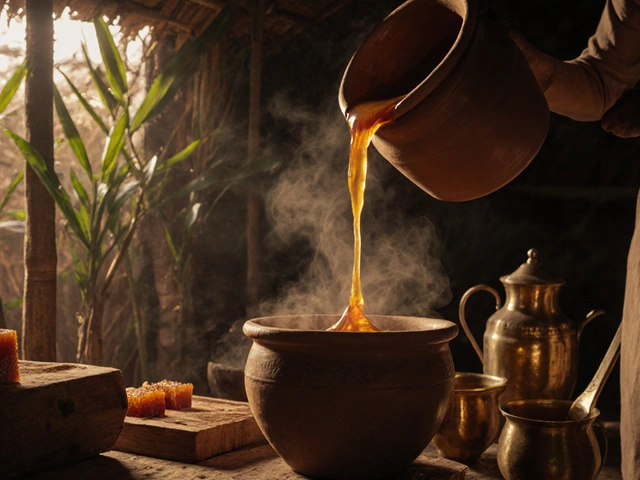
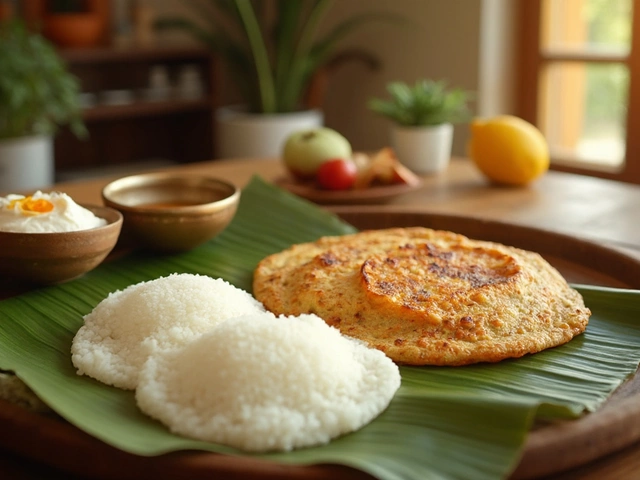
Indian slang around food isn’t about slang in the American sense—it’s about precision. When someone says "paneer" in a village in Punjab, they mean fresh, soft, hand-curdled cheese made that morning. Not the rubbery block you find in a U.S. supermarket. When they say "poha," they mean flattened rice cooked with mustard seeds and curry leaves—not just "flattened rice." And when they say "mithai," they don’t mean dessert. They mean something sweet, often made with khoya or jaggery, eaten with hands, and shared at festivals. These words carry weight. They carry history. They carry the way your grandmother stirred the pot, the way your uncle argued over the right amount of turmeric, the way your cousin stole a bite of leftover biryani before dinner.
What you’ll find below isn’t a list of translations. It’s a window into how Indians actually talk about food—what they call it, how they use it, and why the English versions fall short. You’ll learn why eating 7-day-old paneer is a bad idea, how coconut milk behaves in curry, and why eggs aren’t considered vegetarian by many Hindus. You’ll see how the same word—like "dal"—means something completely different in the USA than it does in Lucknow. These aren’t recipes. They’re stories wrapped in kitchen slang. And if you’ve ever wondered why your Indian food never tasted quite right, it might not be the spices. It might be the words you’re using to think about them.
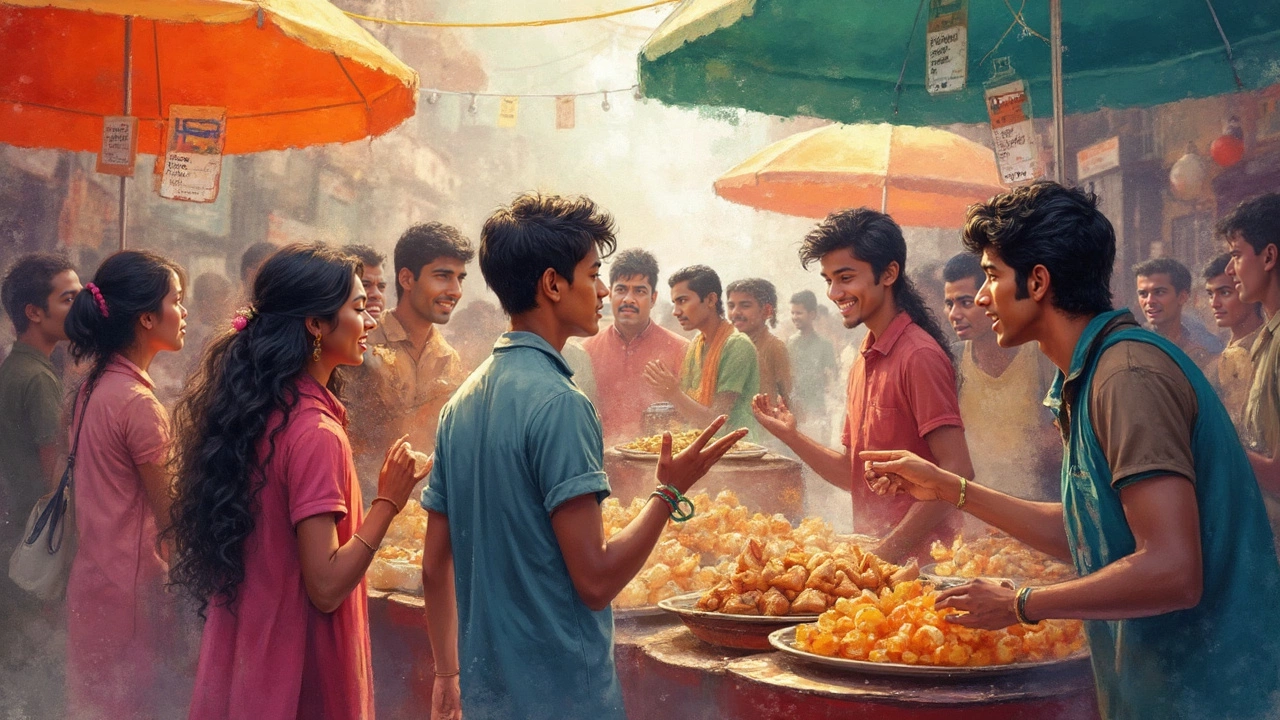
What is the Indian Slang for Okay?
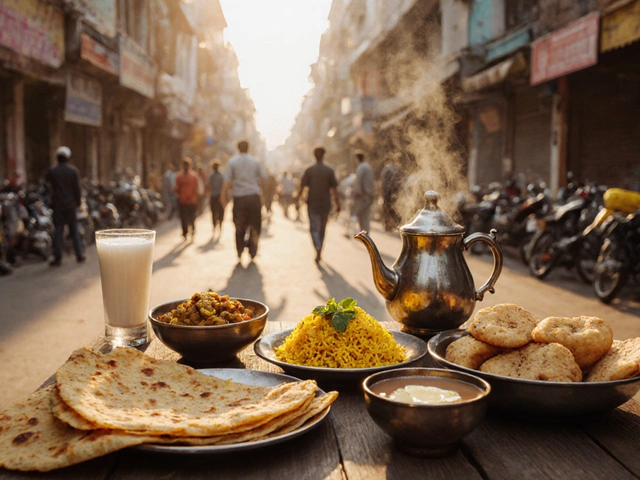
Explore the Indian slang for 'okay' and its connection to the vibrant street food culture in India. Learn how language and food intertwine in everyday life, making interactions lively and colorful. Discover interesting facts about regional variations of street lingo. Understand the crucial role street vendors play in local communities. Immerse yourself in the lively conversations that flavor Indian streets.
Read More