Indian Nutrition: Real Foods, Real Health, and What Actually Works
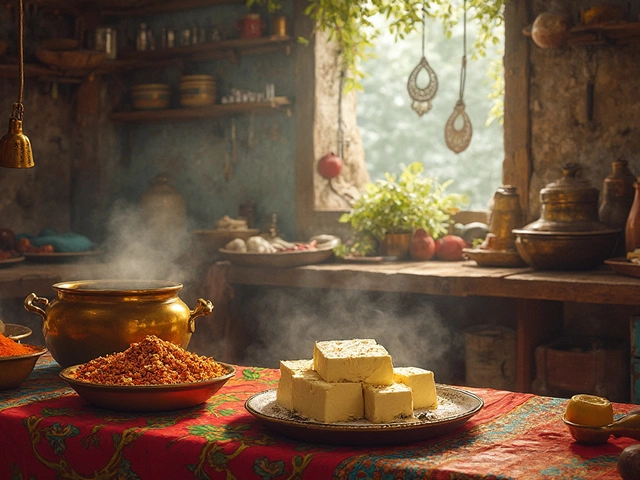
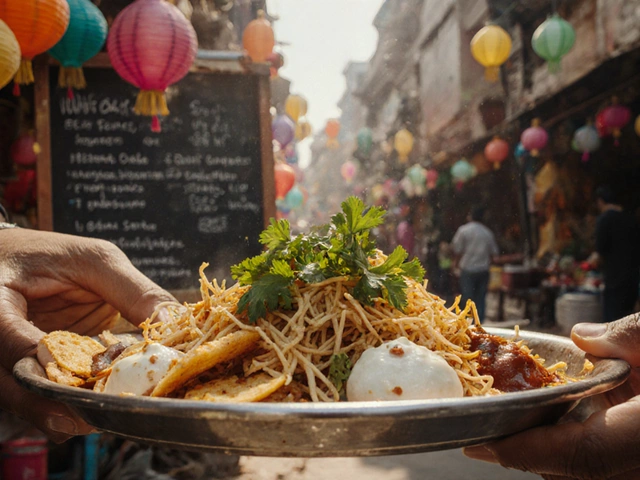
When we talk about Indian nutrition, the way food is grown, prepared, and eaten across India to support daily health and energy needs. Also known as traditional Indian diet, it’s not a trend—it’s a centuries-old system built on balance, seasonality, and simple ingredients that work. Forget the idea that Indian food is just heavy curries and fried snacks. The real story is in the dal, split lentils cooked with turmeric, cumin, and garlic—a daily source of plant-based protein and fiber, the idli, steamed rice and lentil cakes fermented overnight to boost digestion and reduce blood sugar spikes, and the humble paneer, fresh cheese made from curdled milk, rich in calcium and protein but prone to spoilage if stored too long. These aren’t just dishes—they’re nutritional tools.
Indian nutrition works because it’s not about restriction. It’s about smart combinations: eating jaggery, unrefined cane sugar used in sweets to add minerals and avoid blood sugar crashes instead of white sugar, pairing chutney, a tangy condiment made from tamarind, mint, or coconut that aids digestion and adds flavor without calories with fried snacks to balance the meal, and choosing basmati rice, a long-grain rice with lower glycemic impact than regular rice, soaked before cooking to improve texture and digestibility over white rice for better energy. Even sweets like peda, an ancient milk-based dessert made with just khoya and sugar, often eaten during festivals are made with minimal ingredients—no preservatives, no artificial flavors. The real secret? Most Indian meals include a mix of carbs, protein, fat, and fiber in every bite, keeping you full longer and your blood sugar steady.
But it’s not perfect. Many people now skip traditional breakfasts like poha, flattened rice cooked with peanuts and curry leaves, a light, high-fiber morning meal for toast and cereal. Others buy paneer that’s been sitting for days, risking foodborne illness. And while eggs, a nutrient-dense food often avoided by some Hindus due to cultural beliefs around purity and non-violence are perfectly healthy, confusion around religion keeps many from eating them. The truth? Indian nutrition is strongest when it sticks to its roots—fresh, local, unprocessed, and cooked at home.
Below, you’ll find real, tested advice from people who cook these meals every day. No fluff. No gimmicks. Just answers to questions like: Which dal gives you the most protein? Can you eat week-old paneer? Is dosa really healthy? What sweeteners do Indian grandmas actually use? These aren’t theory pieces—they’re kitchen-tested truths from home cooks across India. Whether you’re trying to lose weight, manage energy, or just eat better, the answers are already in your pantry. You just need to know where to look.
Most Eaten Snack in India: Healthy Choices that Rule the Snack Game
Craving something between meals? India loves snacks, but which one tops the charts for both popularity and health? This article uncovers the most eaten snack in India and highlights what makes it such a staple. It also looks at healthy snacking habits and practical ways to make your favorite bites even better for you. Expect some fun facts and simple tips you can actually use.
Read More