Indian desserts: Classic sweets, traditional sweeteners, and healthy swaps
When you think of Indian desserts, sweet, rich treats made with milk, sugar, and spices that are central to celebrations and daily life across India. Also known as mithai, these sweets aren’t just dessert—they’re part of rituals, gifts, and family moments. From the crisp, syrup-soaked Gulab Jamun, deep-fried milk balls soaked in sugar syrup, popular across North India and beyond to the simple, ancient Peda, a dense, fudge-like sweet made from reduced milk and sugar, dating back over 500 years in Mathura, each one tells a story. These aren’t fancy pastries—they’re made in home kitchens, temple kitchens, and street stalls, using ingredients you won’t find in a Western bakery.
What makes these desserts different isn’t just the taste—it’s what they’re sweetened with. While white sugar is common today, traditional recipes rely on jaggery, unrefined cane sugar with a deep molasses flavor that adds earthiness to sweets like laddus and halwas, or khoya, milk solids reduced for hours until thick and creamy, forming the base of barfi and peda. These aren’t just substitutes—they’re the soul of the recipe. Many modern versions cut corners with powdered milk or artificial flavors, but the real ones? They’re slow-cooked, hand-kneaded, and often made in small batches. That’s why they last longer in memory than in the fridge.
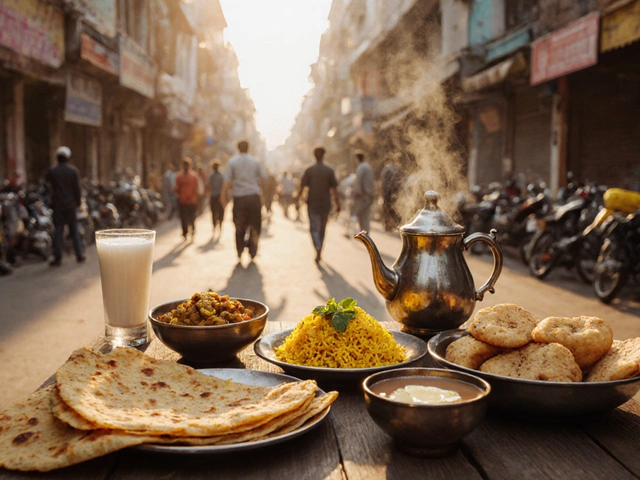
You’ll find Indian desserts in every region, but they’re not all the same. In the south, you’ll get coconut-based treats like coconut burfi. In the west, you’ll taste rosewater in gulab jamun. In the east, sandesh uses fresh chhena. And in the north, you’ll see ghee-heavy sweets served during Diwali. There’s no single recipe, but there’s one truth: if it’s made with patience, it’s worth eating. The best ones don’t need fancy toppings or Instagram filters—they just need a warm plate and someone to share them with.
And if you’re looking to enjoy these without the guilt, you’re not alone. More people are asking how to make them healthier—using ragi, dates, or less sugar—without losing the flavor. The good news? It’s possible. You can swap jaggery for honey, use almond flour in place of refined flour, or bake instead of fry. But even the healthiest versions still carry the same heart: they’re made to be enjoyed, not just eaten.
Below, you’ll find real recipes, forgotten techniques, and honest advice on what makes these sweets work—and what doesn’t. Whether you’re trying to recreate your grandmother’s peda, figure out why your gulab jamun turned hard, or find a low-sugar alternative that still feels like a treat, you’ll find it here. No fluff. Just the facts, the flavors, and the food.
Discover India's Sweet Love Affair: Gulab Jamun's Surprising Origins
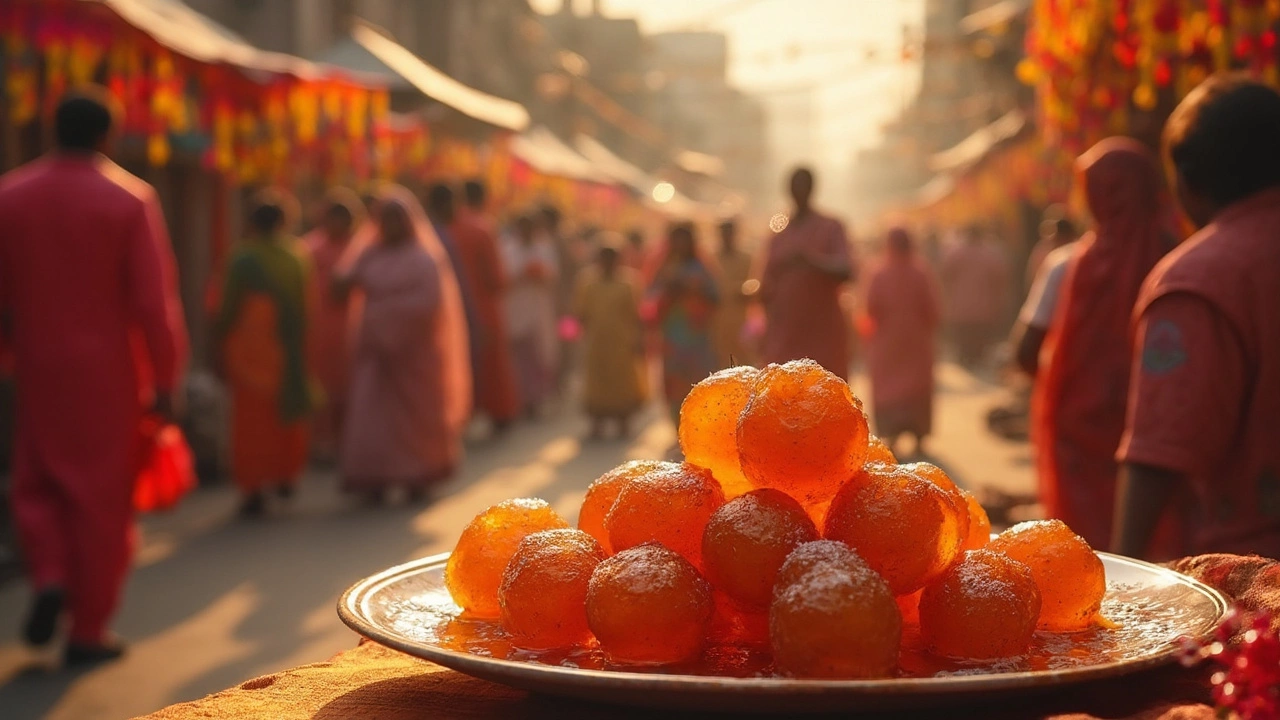
Gulab Jamun, a beloved dessert in India, actually traces its roots to Persia. Originally called 'Luqmat al-Qadi,' this dessert made its way to India with Persian invaders and was adapted to local tastes. Known for its soft, syrupy goodness, Gulab Jamun has become a staple at festivals and celebrations across India. Learn about its history, variations, and handy tips to make perfect Gulab Jamun at home.
Read More