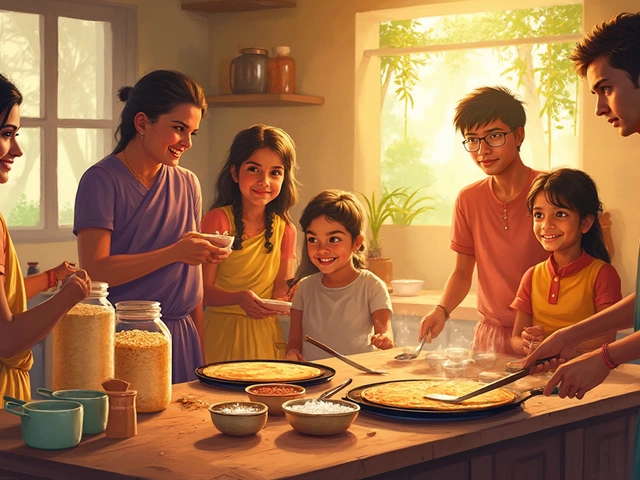
Indian Dal: The Heart of Everyday Indian Meals
When you think of Indian food, one dish always shows up at the table—indian dal, a simple, nourishing lentil stew that’s cooked daily in homes across India. Also known as lentil curry, it’s the quiet hero of Indian meals—no fancy ingredients, no long prep, just slow-cooked beans, warm spices, and a splash of tempering that makes it unforgettable. This isn’t a side dish. It’s the foundation. A bowl of dal with rice or roti feeds families, fuels workers, and comforts sick days. It’s what you eat when you need something real, not just tasty.
Not all dal is the same. toor dal, split pigeon peas, the most common type in South India, cooks fast and has a buttery texture. masoor dal, red lentils that break down into creamy soup, is the go-to for quick weeknight meals. Then there’s chana dal, split chickpeas with a nutty bite, often used in snacks and curries. Each type brings different nutrients—some are high in iron, others in fiber, and all are low on the glycemic index. That’s why healthy dal is often called the poor man’s protein, and doctors in India recommend it for kids, seniors, and anyone watching their blood sugar.
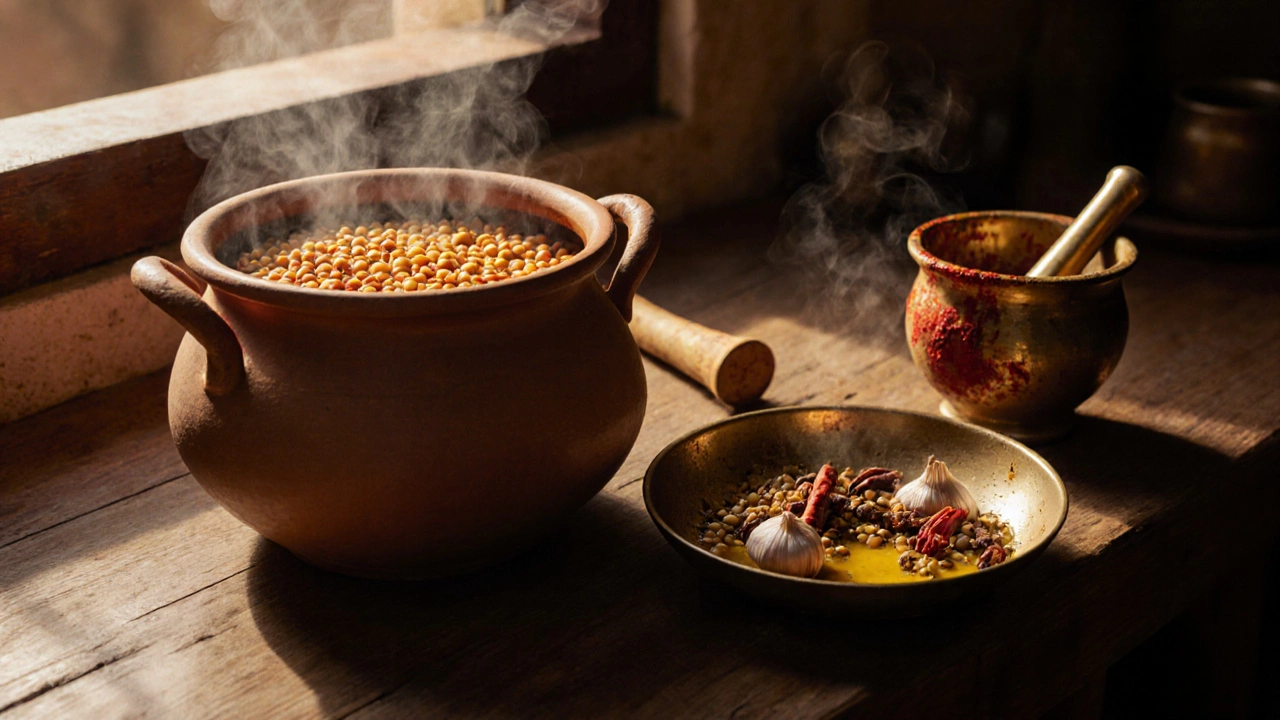
What makes dal so universal isn’t just its nutrition—it’s how flexible it is. You can make it spicy with green chilies, mild with cumin and turmeric, or rich with cream and ghee. It’s cooked on stoves in Delhi, in clay pots in Rajasthan, and in pressure cookers in Mumbai. You’ll find it in vegetarian homes and in non-vegetarian kitchens, always served alongside rice, flatbread, or even as a dip for fried snacks. And while it’s simple, getting it right takes practice—too much water and it’s soup, too little and it’s glue. The magic is in the tadka: hot oil, mustard seeds, garlic, and dried red chilies sizzling at the end, unlocking flavors you can’t get any other way.
What you’ll find in the posts below isn’t just recipes. It’s the real talk about dal nutrition, which lentils give you the most protein and iron, how to make dal taste better without adding more oil, and why some types are better for weight loss than others. You’ll learn which dal is the healthiest, how to avoid common mistakes, and why people in the U.S. are starting to cook it every day. Whether you’re new to Indian food or you’ve been eating dal since childhood, there’s something here that will change how you see this humble bowl of lentils.
What Is the English Version of Dal? Simple Answers for Home Cooks
Dal is the Indian term for split lentils cooked into a simple, spiced stew. While often called 'lentils' in English, dal includes several types of legumes and is a daily staple across South Asia.
Read More