India Hygiene Tips: Safe Food Practices and Daily Habits for Healthier Living
When it comes to India hygiene tips, practical, everyday actions that prevent illness from food and water in Indian households and street environments. Also known as food safety practices in India, these habits aren’t about perfection—they’re about smart, simple choices that work in real kitchens and busy lives. You don’t need a lab to keep your food safe. You just need to know what to watch for, when to throw something out, and how to handle common ingredients like paneer, a fresh Indian cheese that spoils quickly if not stored properly or dal, a daily lentil dish that’s nutritious but can harbor bacteria if left out too long.
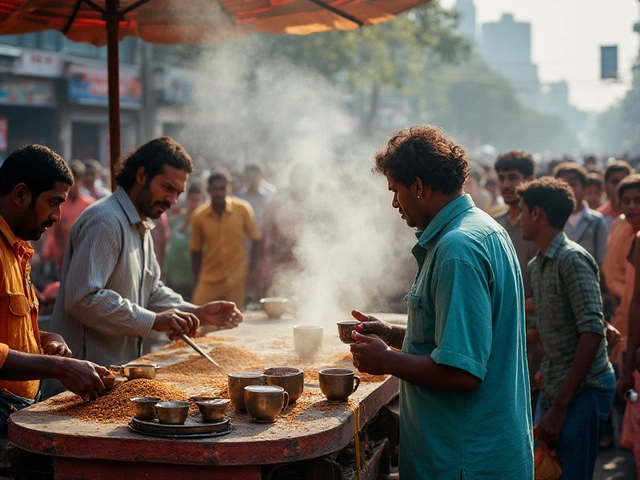
Many people assume that because Indian food is cooked with spices, it’s automatically safe. That’s a myth. Spices kill some bacteria, but not all. A 7-day-old paneer might look fine, but if it’s been sitting in the fridge without proper sealing, it’s already risky. Same goes for leftover dal left out overnight. The real danger isn’t always in how it tastes—it’s in what you can’t see. Travelers often get sick not from spicy food, but from street food, freshly prepared meals sold in busy markets where water quality and handling practices vary widely. The key isn’t to avoid street food—it’s to know which stalls have high turnover, clean utensils, and food served hot. Look for crowds. If locals are lining up, it’s usually a good sign.
Hygiene in Indian kitchens isn’t just about washing hands. It’s about separating raw and cooked foods, using clean cloths to wipe surfaces, and storing ingredients like coconut milk and yogurt at the right temperature. It’s about knowing that jaggery, a traditional Indian sweetener made from cane or palm sap, can attract moisture and mold if kept in a humid place. It’s about understanding that soaking rice for biryani? That water needs to be changed if it sits too long. These aren’t fancy rules—they’re the small, repeatable habits that prevent stomach bugs, food poisoning, and wasted groceries.
What you’ll find below isn’t a list of dos and don’ts from a textbook. It’s real advice pulled from posts that actually help people cook safer, store smarter, and eat without fear. Whether you’re wondering if you can eat leftover paneer, how to tell when chutney has gone bad, or why some Indian breakfasts are naturally safer than others—you’ll find clear, no-fluff answers. No scare tactics. Just what works, based on how people in India actually live and eat every day.
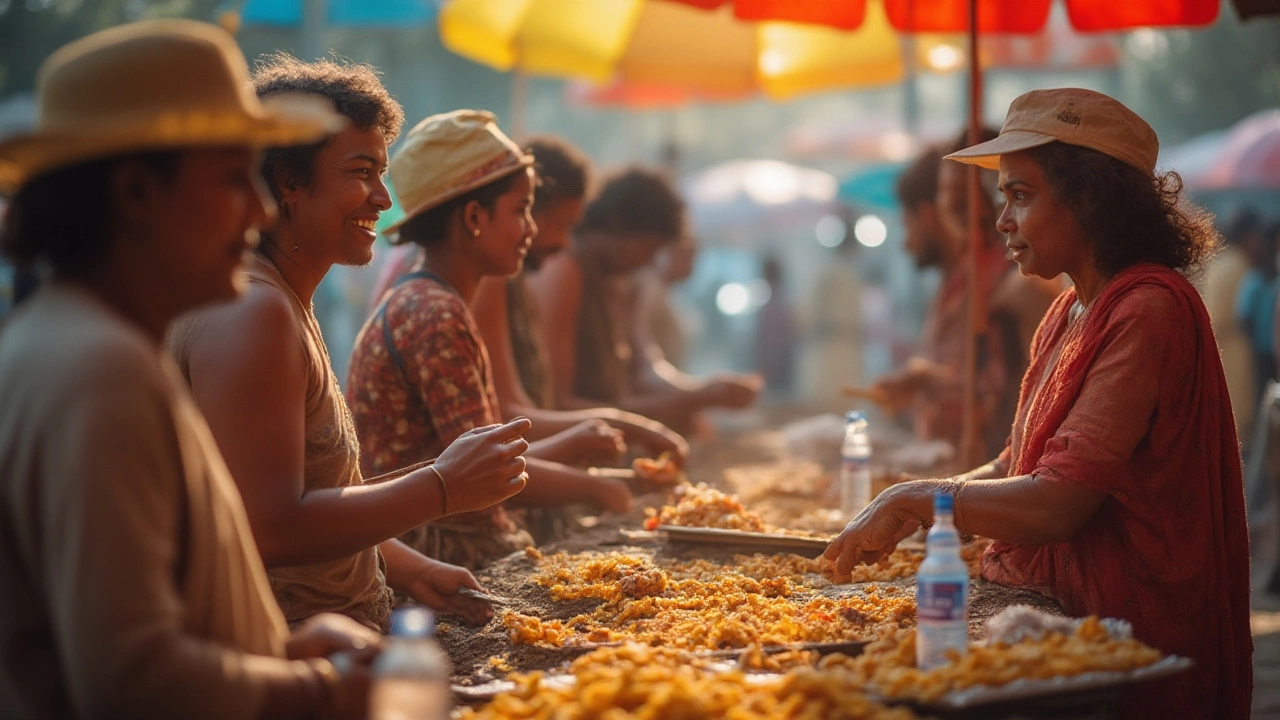
Staying Healthy While Traveling in India: Smart Tips to Avoid Getting Sick
Practical ways for travelers to stay healthy and avoid illness in India. Packed with easy, real-life tips on safe eating, drinking, hygiene, and medical care.
Read More