Healthy Indian Meals: Nutritious, Flavorful, and Easy to Make
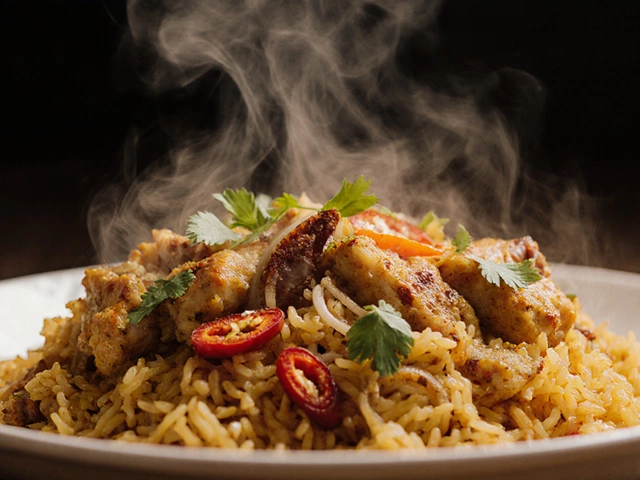
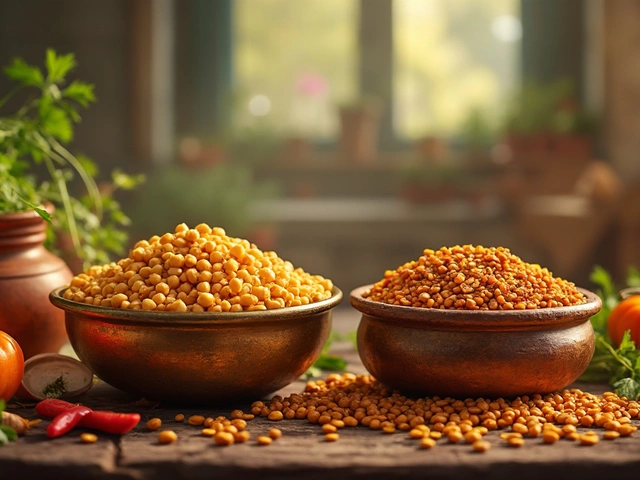
When you think of healthy Indian meals, nutritious, spice-rich dishes built on lentils, vegetables, and whole grains that form the backbone of daily eating across India. Also known as traditional Indian diet, it’s not about cutting out food—it’s about eating what’s already good for you. Forget the idea that Indian food is heavy or oily. The truth? Many of India’s most loved dishes are naturally low in sugar, high in fiber, and packed with plant-based protein. Think dal, a simple, spiced lentil stew that’s eaten daily by millions and offers more protein than chicken per serving. Also known as lentil curry, it’s one of the most nutrient-dense foods in the country. Dal isn’t just comfort food—it’s a powerhouse. One cup of cooked moong dal gives you 14 grams of protein and 15 grams of fiber, with almost no fat. And it’s cheap, easy to cook, and keeps you full for hours.
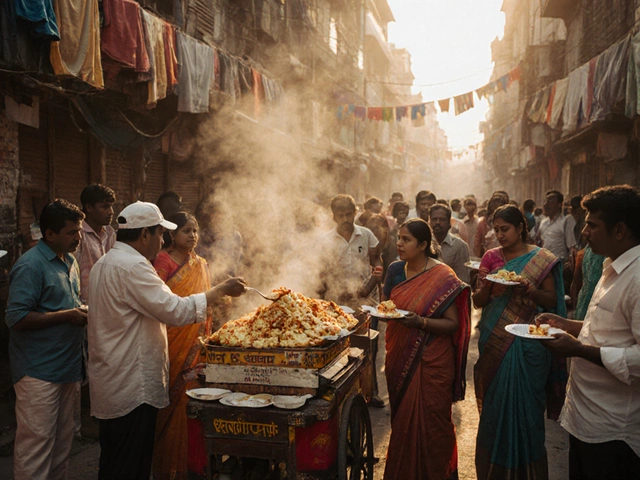
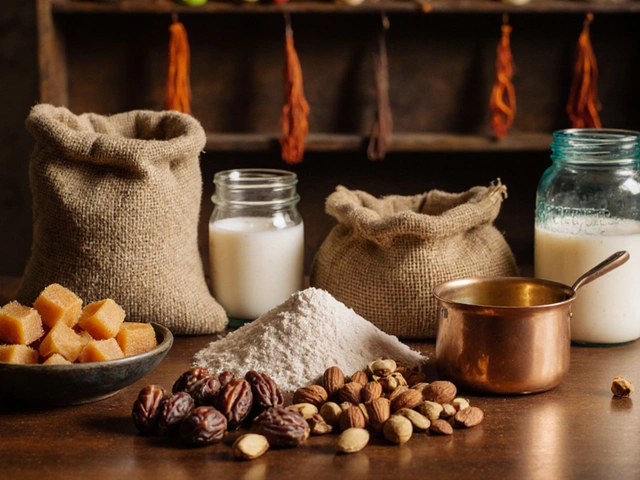
Then there’s the breakfast. While Americans reach for sugary cereals, millions in India start their day with idli, fermented rice and lentil cakes that are light, digestible, and loaded with probiotics. Also known as South Indian steamed cakes, they’re naturally gluten-free and don’t spike blood sugar. Same with poha, flattened rice cooked with turmeric, peanuts, and curry leaves. Also known as flattened rice dish, it’s a low-calorie, high-energy meal that’s been feeding families for generations. These aren’t trendy superfoods—they’re everyday foods that just happen to be perfect for your body. Even Indian sweets have a healthier side. You don’t need refined sugar to enjoy something sweet. Traditional recipes use jaggery, unrefined cane sugar that keeps minerals like iron and magnesium. Also known as gur, it’s the sweetener in everything from ladoos to halwa. Swap white sugar for jaggery, and you’re not just cutting empty calories—you’re adding nutrients.
What makes all this work isn’t magic. It’s balance. Indian meals naturally pair carbs with protein, fats with fiber, and spices with vegetables. A plate of healthy Indian meals might include dal, brown rice, sautéed greens, and a side of yogurt. No fancy supplements needed. Just real food, cooked simply. And if you’re worried about paneer or eggs? You’re not alone. Many Indians avoid dairy or eggs for cultural reasons, but that doesn’t mean you’re missing out. There are plenty of plant-based proteins—chickpeas, soy, lentils—that do the job just as well. The real question isn’t whether Indian food is healthy. It’s why more people aren’t eating it this way.
Below, you’ll find real recipes, smart swaps, and clear answers to the biggest questions about eating well in Indian cuisine. From the healthiest dal to the best morning snacks, you’ll see how simple changes make a big difference—without giving up flavor or tradition.
Discover the Healthiest Indian Food You Should Try Today
Indian cuisine is flavorful, diverse, and can be incredibly healthy if you know what to look for. This article will guide you through choosing the healthiest Indian dishes, highlighting nutritious ingredients, and offering tips on cooking these meals at home. Whether you're a seasoned Indian food lover or new to the flavors, you'll learn how to make choices that are not only tasty but also great for your health.
Read More