Broth for Curry: How to Build Deep Flavor in Indian Curries
When you think of broth for curry, a simmered liquid base that carries spice, aroma, and depth into every bite of Indian curry. Also known as curry stock, it's not just water with spices—it's the hidden backbone of flavor in dishes like chicken curry, chana masala, or even vegetarian dals. Most home cooks skip this step, using plain water or canned tomatoes as a base, but that’s like building a house without nails. The real magic happens when you slowly cook aromatics, spices, and protein scraps (or veggies) to pull out their essence. This isn’t fancy cooking—it’s how grandmothers in Punjab, Kerala, and Bengal make their curries taste like they’ve been simmering all day.
What makes broth for curry, a simmered liquid base that carries spice, aroma, and depth into every bite of Indian curry. Also known as curry stock, it's not just water with spices—it's the hidden backbone of flavor in dishes like chicken curry, chana masala, or even vegetarian dals. work isn’t just about what you add—it’s about what you leave out. No one uses bouillon cubes in authentic Indian kitchens. Instead, they use onion, garlic, ginger, and whole spices like cumin, cardamom, and cloves, toasted first to wake them up. Then they’re fried in oil until the raw edge disappears. That’s your flavor foundation. If you’re making chicken curry, save the bones and skin after roasting. Simmer them with a bay leaf and a pinch of black pepper for 45 minutes. That’s your broth. For vegetarian curries, use soaked dried mushrooms or roasted tomato peels for umami. It’s not magic—it’s patience.
Some think curry powder is enough. It’s not. Curry powder is a blend of dried spices—it doesn’t dissolve into the dish the way fresh, slow-cooked aromatics do. The difference between a flat curry and a rich one? Broth. And that broth? It’s built by listening to the pot. When the oil starts to separate from the spices and the scent turns sweet and smoky, you’re ready. That’s the moment you add liquid. Water, coconut milk, or yogurt—each changes the game. Coconut milk thickens and softens. Yogurt adds tang and body. Water? Just a carrier. The real flavor comes from what you simmered before it ever touched the pot.
You’ll find this in the posts below: how to make chicken curry taste deeper without fancy ingredients, how to use asafoetida (hing) to boost savoriness, and how to add coconut milk without curdling. You’ll see how dal, often thought of as just a lentil stew, actually relies on broth for its soul. And you’ll learn why paneer dishes fail when the base is weak. This isn’t about following recipes—it’s about understanding how flavor builds. The next time your curry tastes like it’s missing something, it’s not the spices. It’s the broth.
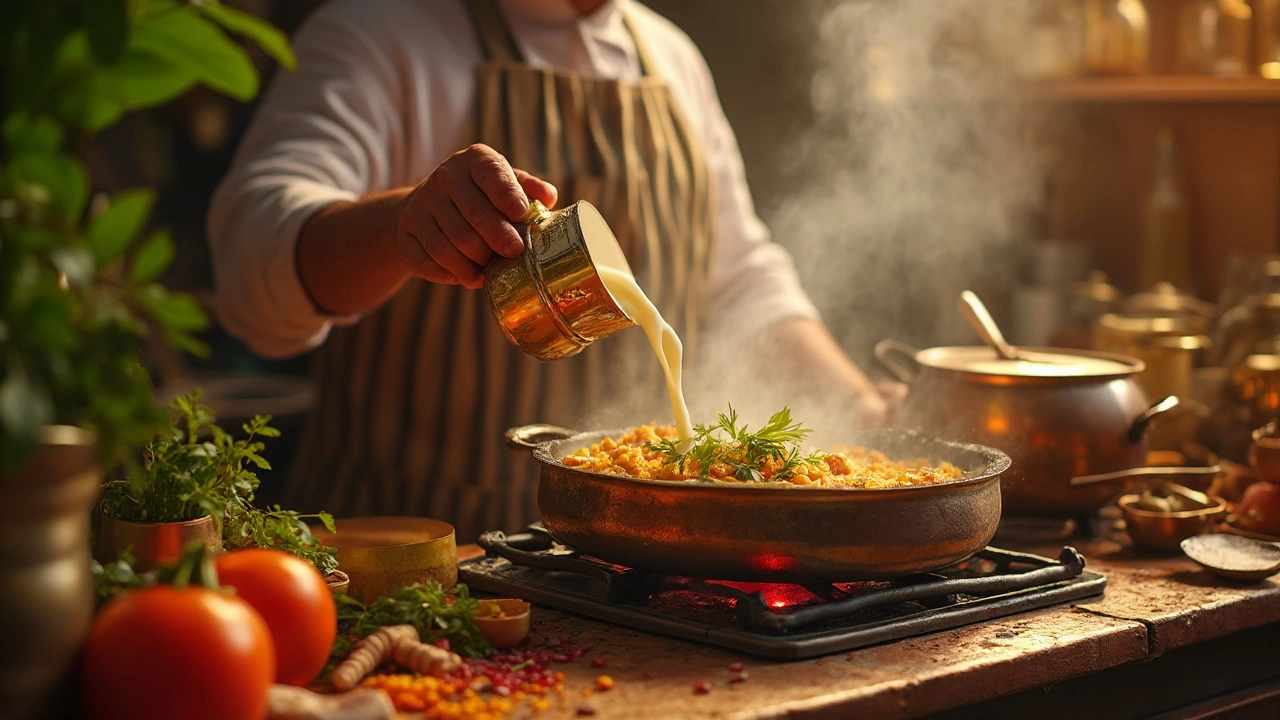
Best Liquids for Perfect Curry: Broth, Coconut Milk, and More
Find out which liquids to add to curry for perfect flavor and texture. Learn about coconut milk, broths, and secret tips to make your curry irresistible.
Read More