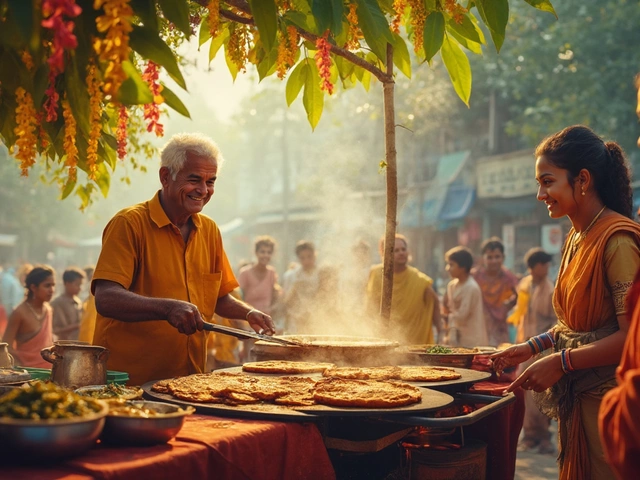
Blooming Spices: Discover the Heart of Indian Flavors
When you hear blooming spices, the process of frying whole spices in hot oil or ghee to release their full flavor. Also known as tadka, it’s the quiet magic that turns plain oil into something alive—earthy, aromatic, and deeply comforting. This isn’t just cooking technique; it’s the foundation of flavor in nearly every Indian dish, from dal to biryani. You don’t need a chef’s knife or fancy pots. Just a spoon, a pan, and a little patience.
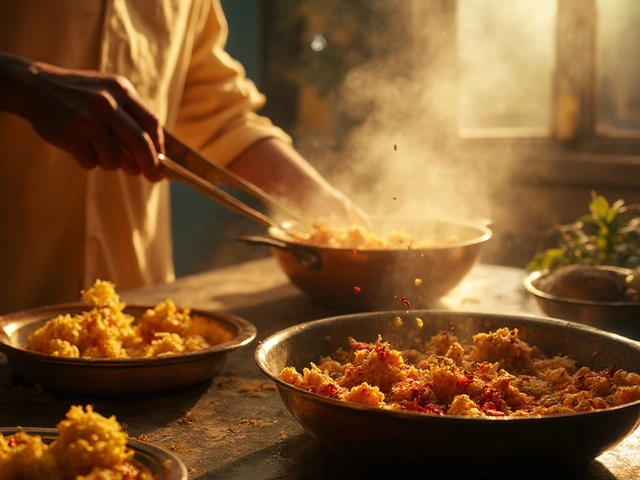
Think of tadka, the Indian method of tempering spices in oil to awaken their essential oils. Also known as blooming spices, it’s what makes your chicken curry smell like it’s been simmering for hours—even when it’s only been on the stove for five minutes. Cumin seeds crackle. Mustard seeds pop. Fenugreek turns fragrant. Asafoetida (hing) melts into the oil, adding that mysterious, savory depth you can’t name but always recognize. These aren’t random additions. They’re timed, layered, and controlled. Too early, and they burn. Too late, and they taste raw. The right moment? That’s where the soul of the dish lives.
whole spices, intact seeds, pods, and bark used in Indian cooking for their concentrated aroma and slow-release flavor. Also known as dry spices, they’re the backbone of this process. Ground spices? They’re useful, sure—but they fade fast. Whole spices? They hold their power. That’s why you’ll find them in every traditional recipe, from poha to chole. And when you bloom them, you’re not just cooking—you’re activating. You’re turning something dry and dull into something that makes your kitchen smell like a street stall in Delhi at dawn.
It’s not magic. It’s science. Heat unlocks volatile compounds. Oil carries them into the dish. Water in the food pulls them deeper. That’s why you always add tadka at the end of cooking, or sometimes right at the start. It depends on the dish. But the principle? Always the same: heat + oil + time = flavor explosion.
You’ll see this in the posts below. How to bloom spices for dal so it doesn’t taste flat. Why coconut milk curdles if you skip the tadka. How hing transforms a simple curry into something unforgettable. And why paneer tastes better when the spices are bloomed first, not tossed in at the end. This isn’t about following rules. It’s about understanding how flavor works—so you can trust your instincts, not just your recipe.
There’s no app for this. No timer that tells you when the cumin is perfect. It’s the smell, the sound, the color change. That’s the real skill. And it’s something you learn by doing—not by reading. But the posts here? They’ll show you exactly what to look for. You’ll walk away knowing not just how to bloom spices, but why it matters. And once you do, you’ll never cook Indian food the same way again.
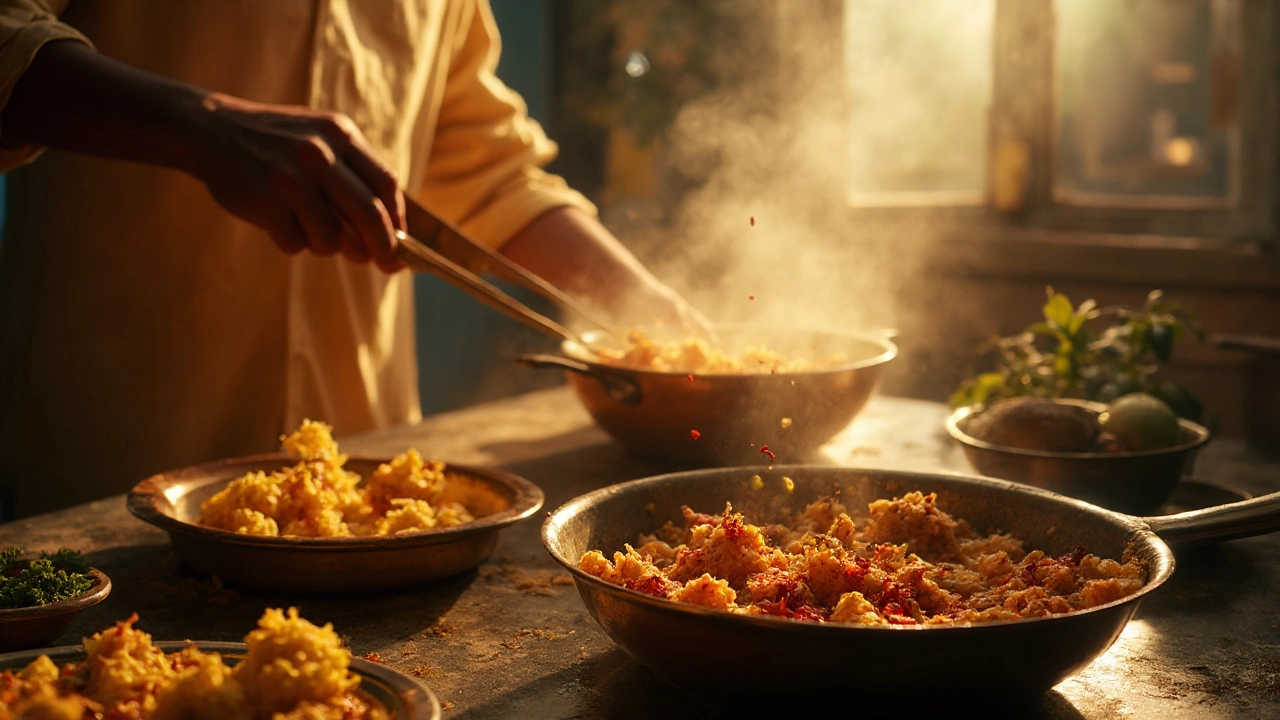
What’s the Secret to a Good Curry? Proven Tips for Deep, Balanced Flavor
The real secret to a great curry? Technique and balance. Learn to bloom spices, brown onions, bhunao the paste, and finish with acid for big, restaurant-level flavor.
Read More