Beef Ban in India: What It Means for Food, Culture, and Cooking
When people talk about the beef ban, a legal and cultural restriction on the slaughter and sale of cattle in parts of India. Also known as cow protection laws, it’s not just about rules—it’s about how food, faith, and identity shape everyday meals. This isn’t a nationwide ban, but in over 20 states, killing cows or selling beef is illegal or heavily restricted. That means what you can buy at the market, what’s served in restaurants, and even what’s cooked at home changes depending on where you are.
Why does this matter? Because cow protection, the belief that cows are sacred in Hinduism and should not be harmed is deeply tied to daily life for millions. Cows provide milk, dung for fuel, and labor in rural areas. For many, they’re not just animals—they’re part of the family. That’s why even non-Hindus in those regions often avoid beef, not out of fear of the law, but out of respect for neighbors and community norms. The Indian diet, a diverse mix of vegetarian and non-vegetarian foods shaped by religion, region, and economics has adapted. In states like Uttar Pradesh or Gujarat, you won’t find beef curries on the menu. Instead, you’ll see more chicken, goat, fish, lentils, and paneer. Even in places where beef is legal, like Kerala or West Bengal, many families choose not to eat it because of social pressure or personal belief.
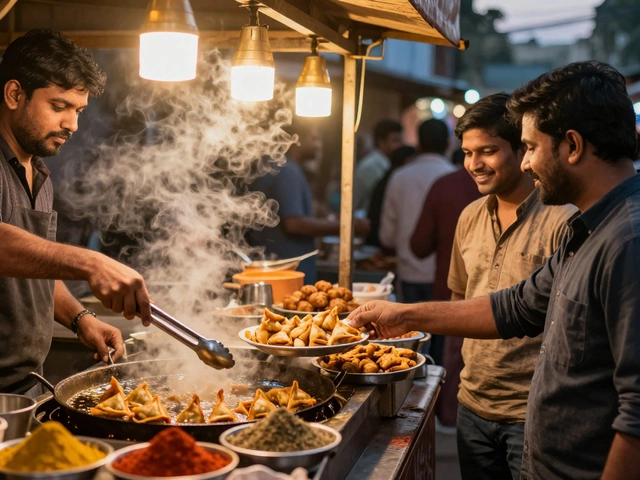
The beef ban doesn’t just stop a dish—it reshapes entire cooking traditions. Recipes passed down for generations in Muslim, Christian, and tribal communities have had to change. What was once a slow-cooked beef curry now becomes a lamb or chicken version, with the same spices, same technique, same heart. Street vendors who sold beef kebabs now serve chicken tikka or soya chunks. Grocery stores swap beef cuts for mutton or tofu. It’s not about banning flavor—it’s about adapting it. And that’s why you’ll find so many posts here about dal, paneer, chicken curry, and vegetarian snacks—they’re not just alternatives. They’re the real, living result of this cultural shift.
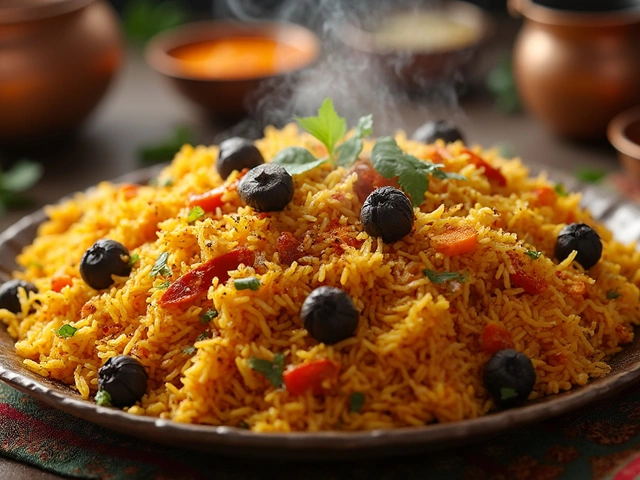
If you’re cooking at home in India—or even outside it—you need to know this isn’t just politics. It’s pantry reality. Whether you’re making biryani, chole, or a simple rice bowl, the choices you make reflect more than taste. They reflect history, respect, and the quiet ways food holds communities together. Below, you’ll find real recipes and honest guides that show how Indian kitchens have kept cooking alive, even when one ingredient disappeared from the shelf.
Is It Illegal to Eat Steak in India?
Navigating dietary laws and customs in India can be tricky, especially when it comes to beef consumption. In certain Indian states, eating steak is considered illegal due to religious beliefs around the sacred status of cows. This article explores the diverse stances across the country, offering insights into where steak is banned and why. It includes tips for travelers who love street food but want to respect local customs.
Read More