Jain Diet Ingredient Checker
Check if ingredients are suitable for a strict Jain vegetarian diet based on the principles of Ahimsa (non-violence).
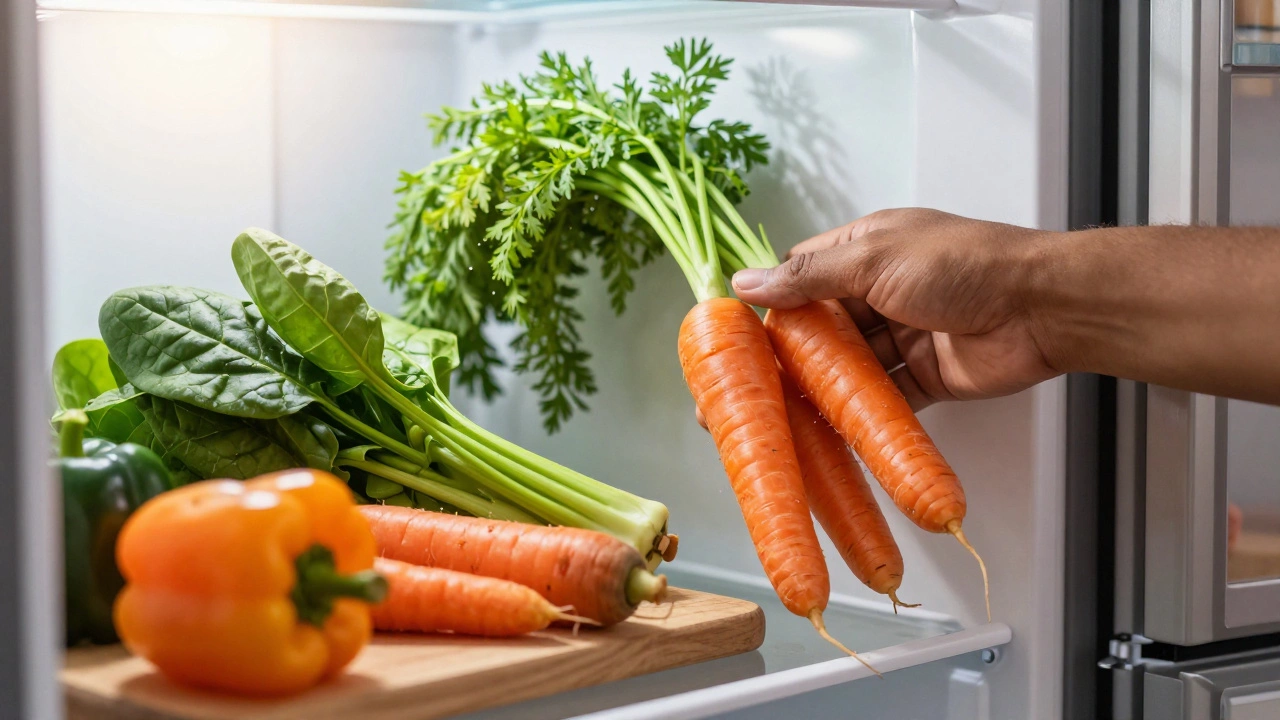
Imagine walking into a vibrant Indian kitchen, ready to cook a hearty curry. You grab a bunch of fresh carrots, peel them, and chop them up. But wait-if you are cooking for a strict Jain household, those carrots have to go back in the fridge immediately. It sounds strange at first. Carrots are vegetables. They are healthy. They are plant-based. So why would someone who follows a strict vegetarian lifestyle refuse to eat them? It’s not because they don’t like the taste. It’s because of a deep philosophical principle called *ahimsa*, or non-violence. If you are hosting a dinner party with Jain friends, or if you are just curious about one of India’s most disciplined dietary traditions, understanding this rule is essential. It goes beyond just "no meat." It changes how you look at every single ingredient on your plate. Let’s break down exactly why roots are off-limits and what you can serve instead.
The Core Principle: Ahimsa and Non-Violence
To understand the Jain diet, you first need to understand Ahimsa is the ethical doctrine of non-violence towards all living beings. For Jains, violence isn’t just about killing animals for meat. It extends to insects, worms, bacteria, and even plants. The goal is to minimize harm as much as humanly possible. In Jain philosophy, life exists in many forms. Some lives are considered more complex than others. Animals have higher consciousness than plants. However, plants still possess life force (*prana*). When you harvest a leafy green like spinach or kale, you take a part of the plant, but the main stem and roots remain intact. The plant can often survive and regrow. But when you pull a carrot, potato, or onion out of the ground, you are destroying the entire organism. The root system is the anchor of the plant. Removing it kills the whole thing. This act of total destruction is seen as significantly more violent than harvesting leaves or fruits. Therefore, strict Jains avoid any vegetable that grows underground and must be uprooted to be harvested.
What Exactly Are Root Vegetables?
So, which foods fall into this forbidden category? It’s not just carrots. The list includes almost anything that grows below the soil line. Here is a quick checklist of common ingredients that strict Jains do not eat:
- Carrots: As mentioned, pulling them kills the plant.
- Potatoes: These are tubers, which are modified stems growing underground.
- Onions: Bulbs that grow beneath the surface.
- Garlic: Another bulbous root vegetable.
- Beets (Beetroot): Taproots that require uprooting.
- Sweet Potatoes & Yams: Tubers similar to regular potatoes.
- Radishes: Small taproots.
- Turmeric & Ginger: While often used as spices, these are rhizomes (underground stems). Strict Jains avoid them in raw form or as whole roots, though powdered versions might be accepted by some depending on their level of strictness.
The Hidden Dangers: Insects and Soil Life
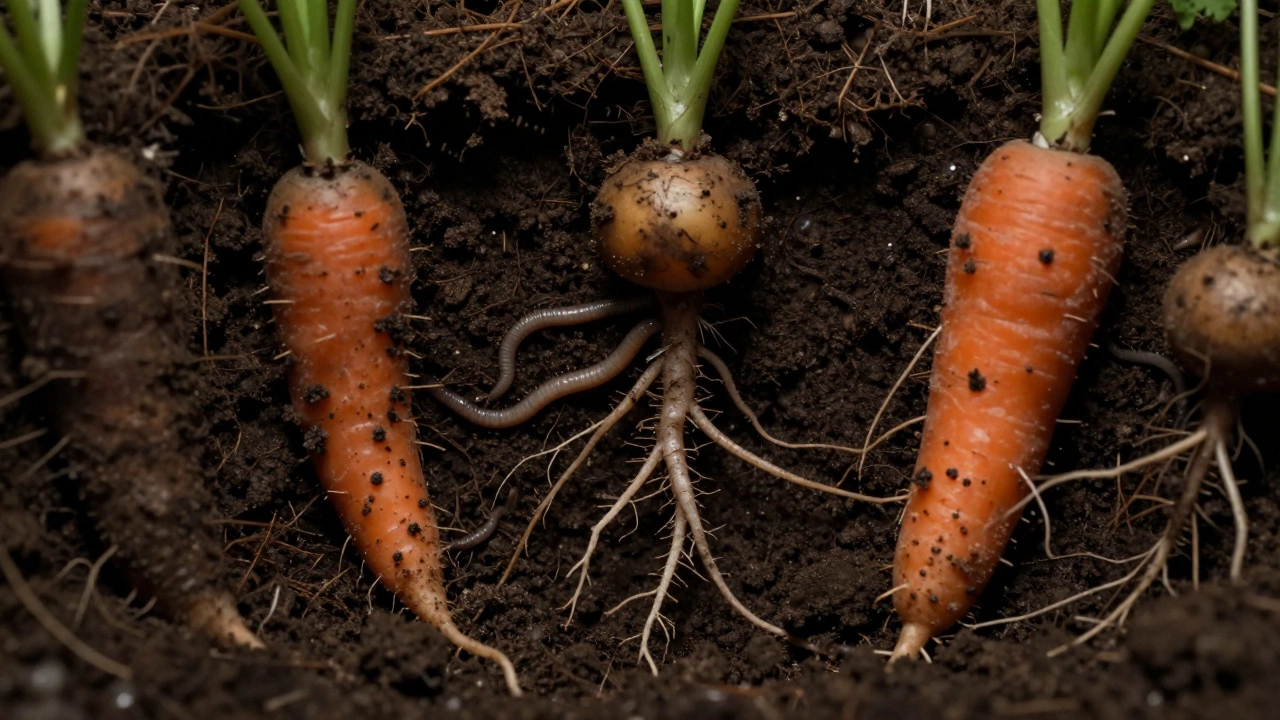
There is another layer to this rule that many people miss. It’s not just about killing the plant; it’s about what lives around it. Root vegetables grow in dark, damp soil. This environment is perfect for tiny insects, worms, larvae, and microorganisms. When you dig up a potato or scrub a beet, you are likely disturbing or crushing hundreds of unseen lives. Jains believe that these small creatures have souls too. By avoiding root vegetables, they reduce the risk of accidentally harming these tiny beings. This concept is known as minimizing *karmic debt*. Every act of violence, no matter how small, creates negative karma. Avoiding roots is a practical way to keep that karma low. Even washing vegetables is done with care. Jains often soak vegetables in water before cooking to allow any clinging insects to float away, rather than scrubbing them hard which could crush them.
Nighttime Restrictions: Why No Food After Sunset?
You might hear that some strict Jains also don’t eat after sunset. This seems unrelated to carrots, but it ties back to the same fear of accidental harm. At night, visibility is poor. If you are chopping vegetables in the dark or dim light, you might accidentally cut yourself or crush an insect hiding in the produce. Furthermore, digestion slows down at night. Eating heavy meals late can lead to lethargy and clouded judgment, which might make a person less mindful of their actions. Mindfulness is key to practicing *ahimsa*. So, for many traditional Jains, the last meal is eaten before dusk, ensuring maximum awareness during food preparation.
How Do Jains Cook Delicious Food Without Onions and Garlic?
If you remove onions, garlic, ginger, and root vegetables from Indian cuisine, you might wonder: does the food taste bland? Absolutely not. Jain cuisine is rich, flavorful, and deeply satisfying. Chefs use clever substitutes to build depth without violating dietary laws. Here are the staples of a Jain kitchen:
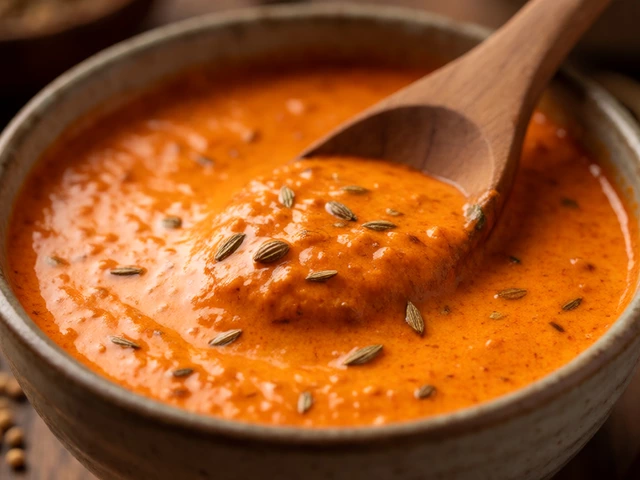
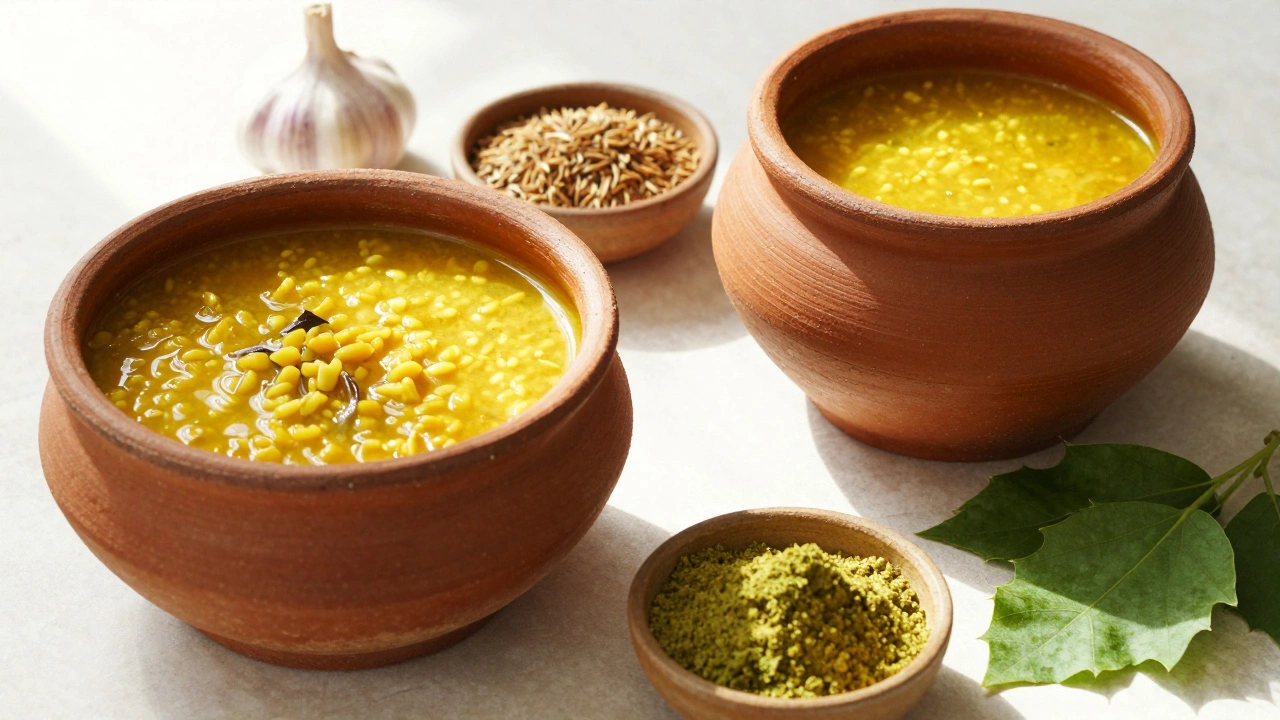
- Asafoetida (Hing): This is the magic ingredient. Hing is a resin derived from a fern-like plant. It has a strong sulfurous smell when raw, but when fried in oil, it tastes remarkably like cooked onions and garlic. A pinch goes a long way.
- Cumin Seeds (Jeera): Used for earthy warmth.
- Coriander Powder: Adds body and mild citrus notes.
- Tamarind: Provides sourness without using tomatoes (some strict Jains avoid tomatoes too, though many modern Jains do eat them).
- Lemon Juice: For freshness and acidity.
- Leafy Greens: Spinach, methi (fenugreek leaves), and amaranth are safe because they are harvested from the top of the plant.
- Fruits above ground: Tomatoes, eggplants, bell peppers, and gourds are generally acceptable because they grow above the soil and don’t kill the plant when picked.
Not All Jains Are the Same: Levels of Strictness
It is important to note that not every person who identifies as Jain follows the exact same rules. There is a spectrum of practice. Digambar and Shvetambara are the two main sects of Jainism. Digambar monks are extremely strict, often fasting for months and owning nothing. Laypeople (householders) usually follow a slightly relaxed version. Some modern Jains might eat potatoes or onions if they are traveling or if no other option is available, but they will try to avoid them at home. Others, especially those who are more religiously observant, will never touch a root vegetable. If you are cooking for a Jain guest, always ask. Never assume. It is better to offer a separate dish made without roots than to ruin their meal.
Comparison: Standard Vegetarian vs. Jain Vegetarian
| Ingredient | Standard Vegetarian | Strict Jain | Reason for Exclusion |
|---|---|---|---|
| Carrots | Allowed | Forbidden | Root vegetable; kills plant |
| Onions/Garlic | Allowed | Forbidden | Bulb/root; attracts insects |
| Potatoes | Allowed | Forbidden | Tuber; underground growth |
| Spinach | Allowed | Allowed | Leafy green; plant survives |
| Mushrooms | Allowed | Often Forbidden | Grows in decay; fungi nature |
| Honey | Allowed | Forbidden | Exploitation of bees |
Practical Tips for Hosting Jain Guests
If you have Jain friends coming over, here is how you can make them feel welcome without stress:
- Ask Directly: Send a message beforehand. Ask if they avoid root vegetables and if they eat eggs (most Jains are vegan, but some may consume dairy).
- Separate Prep Areas: If you are cooking both regular and Jain food, use separate cutting boards and knives. Cross-contamination with onion or garlic residue is a big concern.
- Use Hing: Buy asafoetida. It’s cheap and easy to find in Indian grocery stores. Use it to flavor rice, dal, and sabzi (vegetable dishes).
- Focus on Above-Ground Veggies: Make a stir-fry with bell peppers, zucchini, cauliflower, and broccoli. These are all safe bets.
- Avoid Honey: Use maple syrup or sugar instead. Jains consider honey unethical because it involves taking from bees without consent.
The Environmental Angle
In recent years, the Jain diet has gained attention not just for its spiritual roots, but for its environmental benefits. By avoiding root vegetables and focusing on seasonal, above-ground produce, Jains naturally support sustainable farming practices. Leafy greens and fruits often require less water and energy to harvest compared to digging up tubers. Moreover, the emphasis on mindfulness and waste reduction aligns perfectly with modern zero-waste movements. Jains traditionally wash their hands before eating, cover their mouths when coughing, and sweep the ground before walking-all acts of respect for life and cleanliness. These habits contribute to a cleaner, more conscious lifestyle.
Do Jains eat potatoes?
No, strict Jains do not eat potatoes. Potatoes are tubers that grow underground. Harvesting them requires uprooting the plant, which kills it entirely. This violates the principle of ahimsa (non-violence).
Can Jains eat mushrooms?
Most strict Jains avoid mushrooms. Although they are fungi and not plants, they grow in decaying organic matter and are often found in dark, damp places where insects thrive. Additionally, their classification as neither plant nor animal makes them ambiguous in a diet focused on clear boundaries of life.
Why don't Jains eat onions and garlic?
Onions and garlic are bulbous root vegetables. Like carrots, they grow underground and must be pulled out to be harvested, killing the plant. They are also believed to stimulate passion and anger, which contradicts the Jain goal of mental calmness and clarity.
Is the Jain diet vegan?
The Jain diet is stricter than typical veganism. While vegans avoid animal products, Jains avoid all animal products plus root vegetables, honey, and sometimes fermented foods. Many Jains consume dairy (milk, yogurt, ghee) provided the cows are treated ethically and not slaughtered. However, the core principle is minimizing harm, making it closer to a compassionate vegan-adjacent diet.
What can I use instead of garlic in cooking for Jains?
The best substitute is asafoetida (hing). When added to hot oil, it releases a savory aroma similar to cooked garlic and onions. Other options include cumin seeds, coriander powder, and lemon juice for brightness.